Introduction
The significance of Biden's exit from the 2024 race
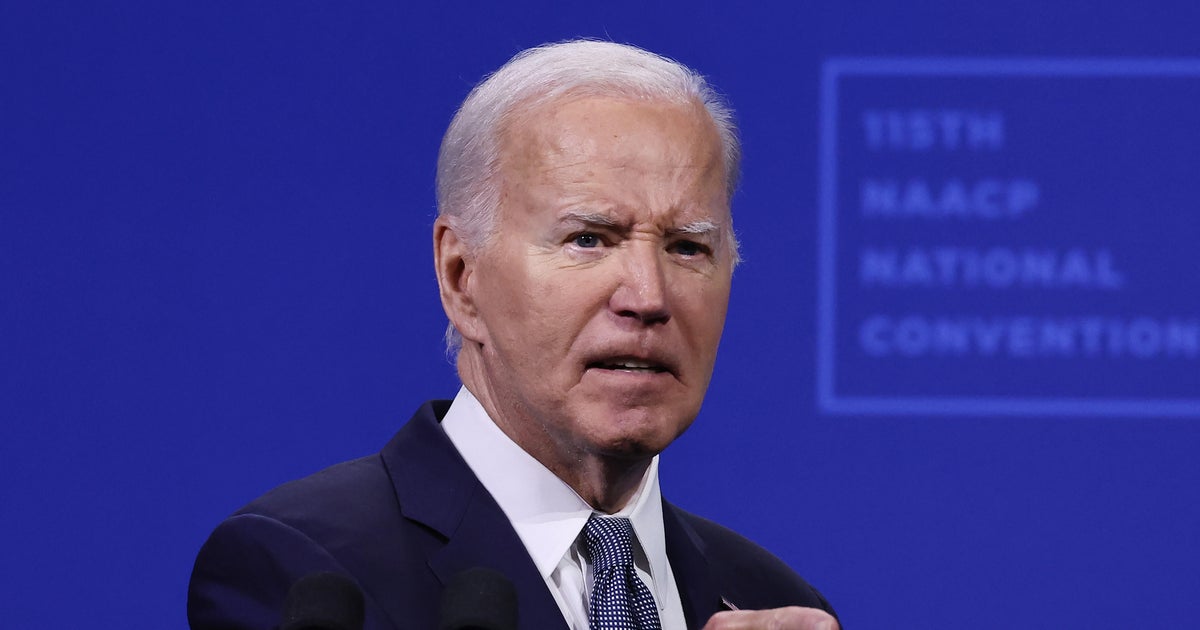
The withdrawal of President Joe Biden from the 2024 election has sent shockwaves through the political landscape, prompting a myriad of reactions from supporters and opposition alike. As the sitting president, his decision carries weight and implications that extend beyond his personal ambitions.Key implications of Biden's exit:
- Impact on the Democratic Party: With Biden stepping aside, the Democrats must quickly regroup and strategize for the upcoming election. This shift could lead to a scramble for the nomination among potential candidates, including Vice President Kamala Harris, who might now emerge as a frontrunner for the 2024 election.
- Shift in voter dynamics: The absence of Biden alters the electoral calculus, potentially affecting turnout and voter loyalty.
- Influence on the Republican narrative: The GOP, particularly figures like Donald Trump, could seize on this transition to galvanize support and frame the conversation ahead of the election.
In summary, Biden's exit signifies a turning point for the 2024 election, with ramifications for both parties.

Biden's Health Concerns
Impact of health issues on the decision
President Biden's decision to withdraw from the 2024 election has been largely influenced by ongoing health concerns. As he has aged, these issues have gained increasing scrutiny, raising questions about his ability to serve effectively.Health concerns that have surfaced:
- Cognitive fitness: Speculations regarding Biden's cognitive sharpness have been prevalent, causing voters to question whether he can endure the rigors of another campaign.
- Physical wellbeing: Reports of occasional stumbles and fatigue during public appearances also contribute to the narrative that his health may hinder his candidacy.
These health-related factors may have played a pivotal role in his choice, ultimately prioritizing his wellbeing over political ambitions.
Speculations and concerns
The landscape surrounding Biden's health has ignited a wave of speculation.Public perceptions include:
- Doubts in leadership capability: Many potential voters harbor worries regarding the president's capacity to lead the nation effectively in another term.
- Media sensationalism: Various media outlets have capitalized on this topic, sometimes distorting the reality of Biden's condition in favor of sensational reporting.
In conclusion, Biden’s health concerns undoubtedly loom large in the backdrop of his exit from the 2024 race while shaping public discourse around the upcoming election.

Political Landscape Analysis
Evaluation of the current political climate
The political climate in the United States is increasingly polarized, creating a challenging environment for any candidate, including President Biden. With key issues dominating the discourse—ranging from economic stability and social justice movements to international relations—the stakes are high for the 2024 election.Key factors influencing the climate include:
- Economic pressures: Inflation and cost-of-living concerns are top priorities for voters, significantly affecting public sentiment toward the ruling party.
- Social movements: Topics like "Justice for Floyd" and waning trust in law enforcement are reshaping political conversations, pushing candidates to address these concerns head-on.
As a result, the political terrain demands adaptability and nuanced approaches as the election approaches.
Potential challenges for Biden in 2024
Should Biden reconsider his candidacy, he could face numerous challenges:
- Approval ratings: Sustained low approval ratings may hinder his ability to rally support within both the Democratic base and moderate voters.
- Opposition party dynamics: With a potential Donald Trump campaign looming, Biden would need to navigate a landscape where partisan divisions are more tangible than ever.
These challenges indicate a complex road ahead, necessitating astute campaign strategizing from any candidate, particularly Biden, if he opts to reenter the race.
Personal Factors
Biden's personal reflections and motivations
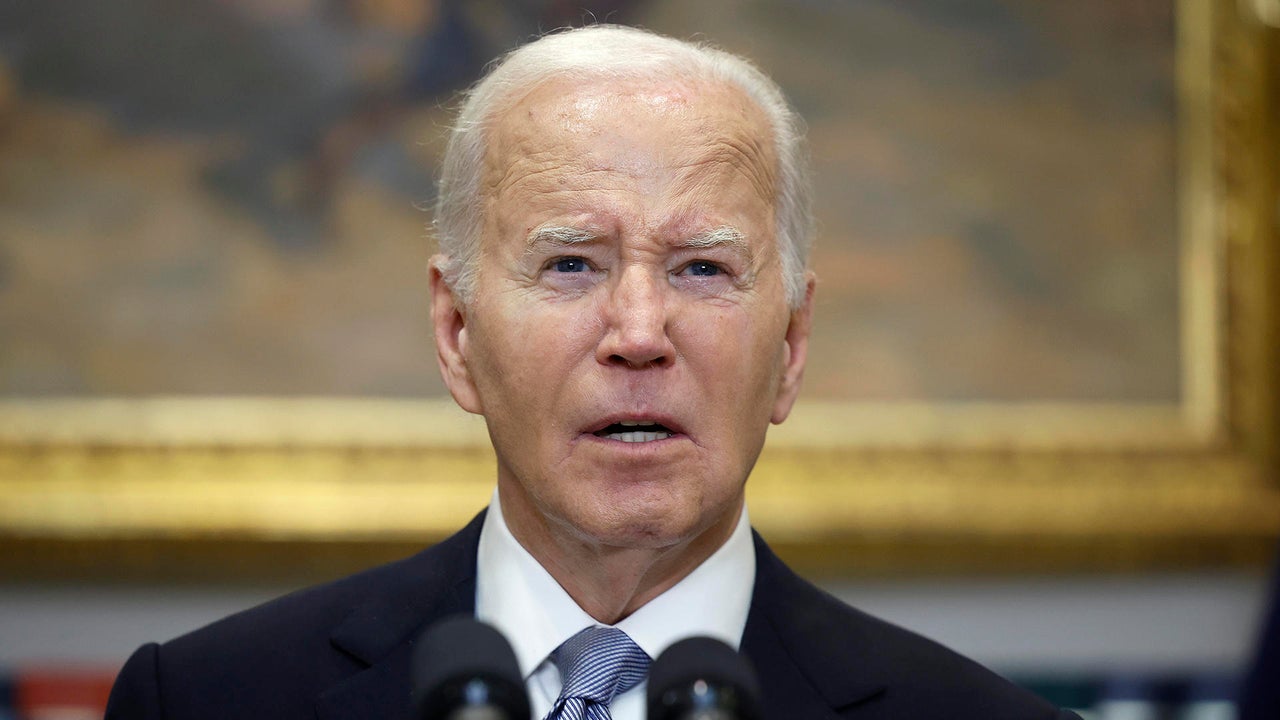
As President Biden navigates the turbulence of potential re-election, personal reflections have played a significant role in his decision-making process. His extensive political career has inevitably led him to evaluate his motivations and sense of purpose.Key elements of his reflections include:
- Legacy considerations: Biden may ponder what lasting impact he wishes to leave, particularly in a climate marked by division and unrest.
- Personal fulfillment: The demanding nature of the presidency prompts the question of whether continuing in the political arena aligns with his personal aspirations and emotional well-being.
This introspection is crucial as he weighs the motivations behind remaining in public service against the challenges it presents.
Family considerations
Family plays a central role in Biden's life and is a significant factor in his decision-making.Important family dynamics include:
- Support system: Biden's close-knit family provides emotional support, influencing his choices regarding health and career longevity.
- Shared concerns: The health and welfare of his family, particularly after earlier tragedies, weigh on his mind as he contemplates the arduous path of a presidential campaign.
In light of these personal and family factors, Biden's decision to either remain engaged in politics or step back becomes increasingly complex, illuminating the human side of political leadership.

Public Opinion and Approval Ratings
Public perception of Biden's presidency
The public’s perception of President Biden’s leadership significantly shapes the political landscape as we approach the 2024 election. Opinions on his presidency have been mixed, reflecting both accomplishments and setbacks.Factors influencing public perception include:
- Handling of key issues: Biden’s administration has faced challenges such as managing inflation, navigating foreign policy, and addressing social justice movements. Public response to these issues varies widely.
- Communication style: Voters have noted Biden’s empathetic nature but are also critical of moments perceived as gaffes, which have clouded his image.
Overall, these elements contribute to a divided public view, influencing how voters may engage in the upcoming election.
How approval ratings influenced the decision
As Biden weighs future political ambitions, approval ratings play a critical role in his calculations.Influential aspects of approval ratings include:
- Electoral viability: Low approval ratings can signal vulnerability in a primary or general election, prompting reevaluations of candidacy.
- Strategic timing: A declining approval could motivate Biden to step aside, allowing the Democratic Party to nominate a fresh candidate with potentially higher appeal.
In conclusion, public opinion and approval ratings serve as significant factors that impact Biden's considerations as he navigates the complexities of the 2024 election landscape.
Conclusion
Understanding the multi-faceted reasons behind Biden's exit from the 2024 race
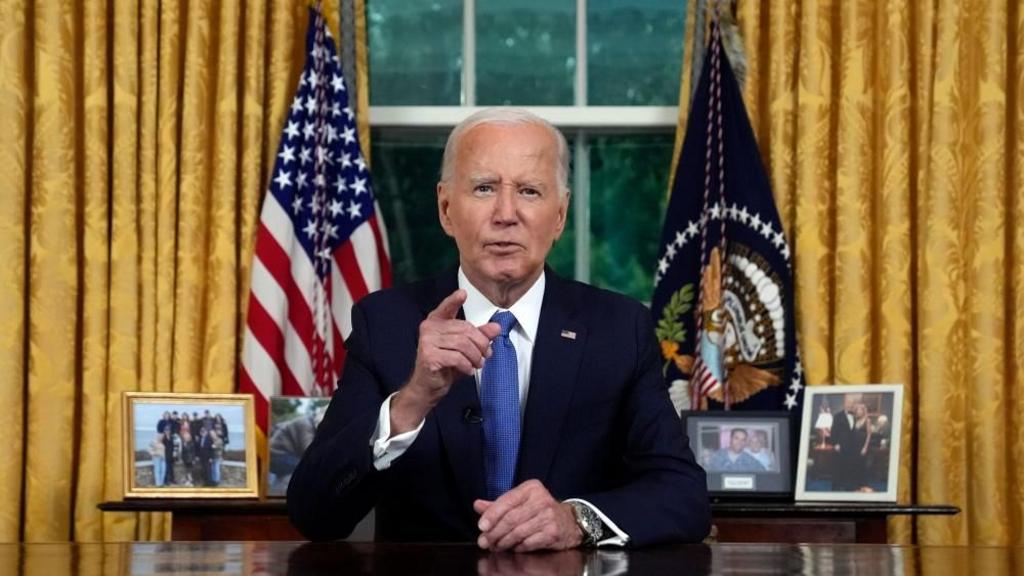
President Biden's decision to withdraw from the 2024 election is not solely a reflection of personal choice, but rather a culmination of various interwoven factors that paint a complex picture of the current political environment.Key reasons for his exit include:
- Health considerations: Ongoing health concerns have undeniably influenced Biden's ability to commit to another grueling campaign, prompting him to prioritize personal well-being.
- Political landscape: The polarized and unpredictable political climate creates significant challenges that could hinder his re-election efforts, undermining any chance of a successful bid.
- Public perception: The mixed public opinion regarding his presidency, combined with low approval ratings, make the prospect of a second term increasingly daunting.
In sum, Biden's exit from the 2024 race highlights not only his own reflections and motivations but also the shifting dynamics within the Democratic Party and the broader electoral landscape. Understanding these multi-faceted reasons provides clarity and insight into the complexities of modern political decision-making.