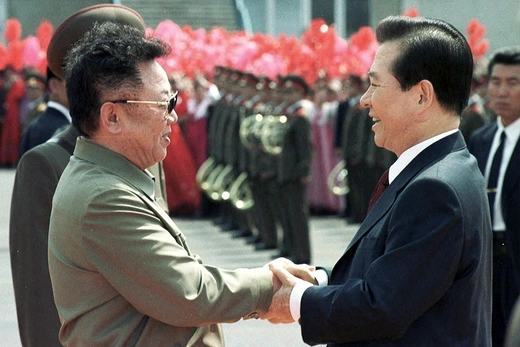
Current Status of North Korea's Nuclear Negotiations
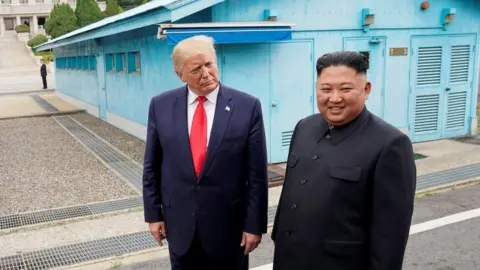
Current state of North Korea's nuclear program
North Korea's nuclear program has progressed significantly in recent years, showcasing both technological improvements and an expanding arsenal. The country now possesses:
- Multiple nuclear warheads estimated in the double digits.
- Advanced ballistic missile systems capable of reaching targets in Asia and potentially North America.
- Ongoing development and testing activities despite international sanctions.
These advancements highlight North Korea's determination to bolster its nuclear deterrence, posing substantial challenges for global non-proliferation efforts.
Recent Tests and Activities
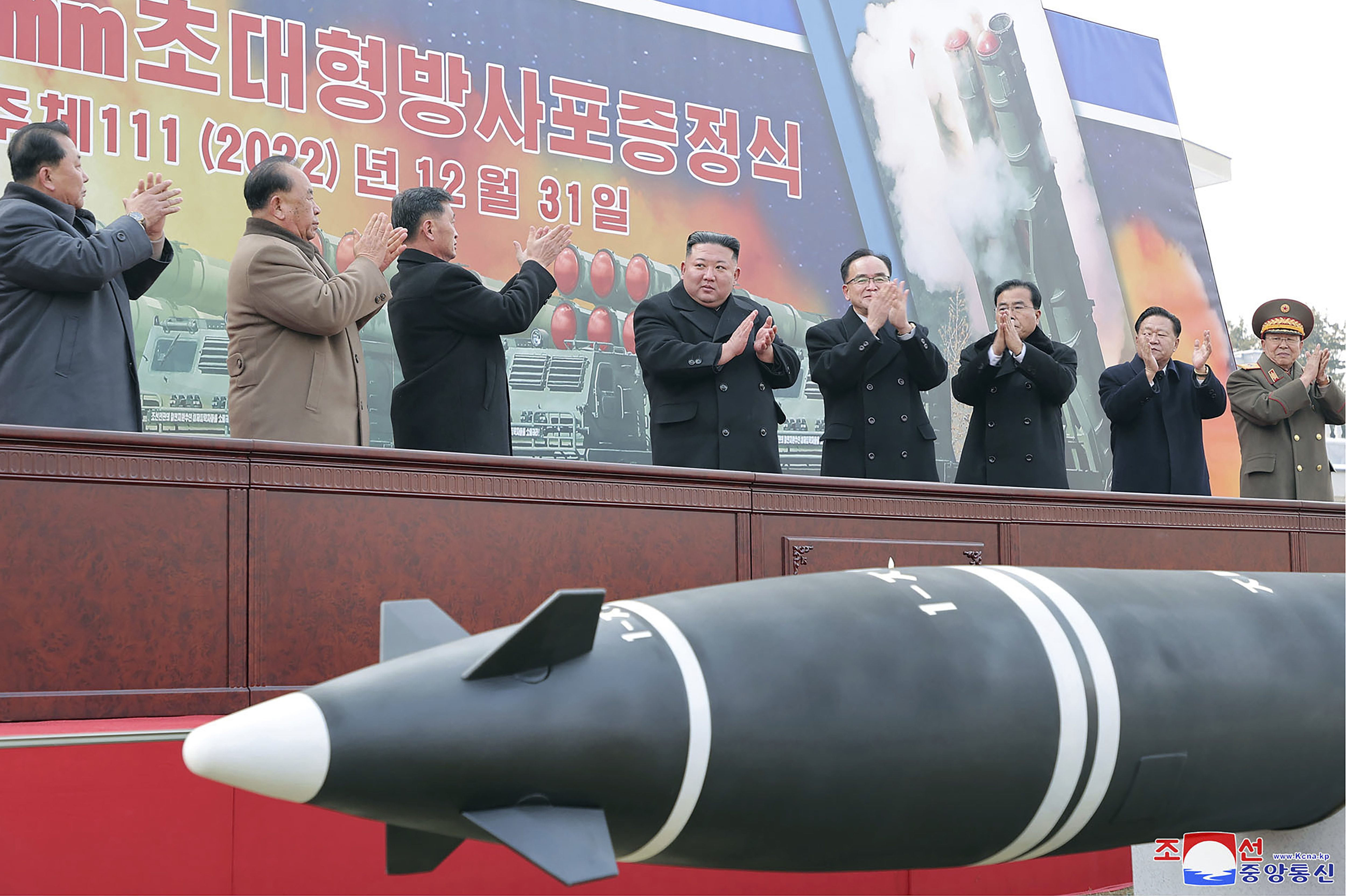
- In 2021 alone, North Korea conducted multiple missile tests, including submarine-launched ballistic missiles (SLBMs).
- The construction of new facilities, such as uranium enrichment sites, has also been observed.
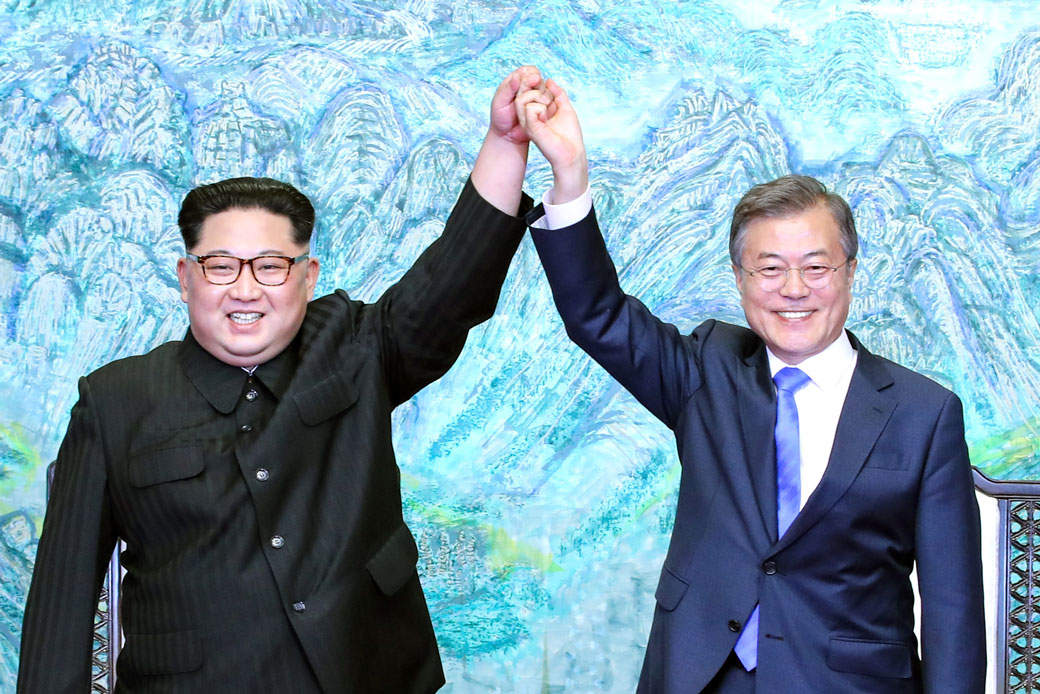
Key players and diplomatic efforts
Diplomatic efforts involving North Korea's nuclear program focus on a variety of key players, each with significant influence and vested interests. The main stakeholders include:
- United States: Leveraging economic sanctions and diplomatic negotiations.
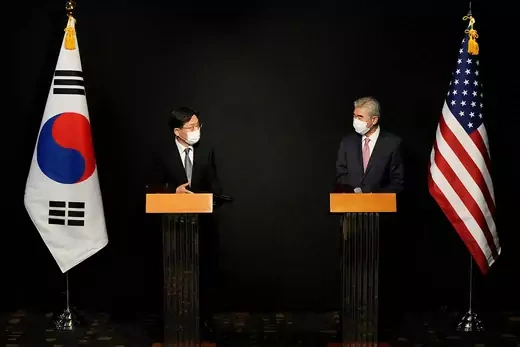
- South Korea: Promoting peace through engagement policies and dialogue.
- China: Serving as North Korea's main ally and economic lifeline, advocating for stability.
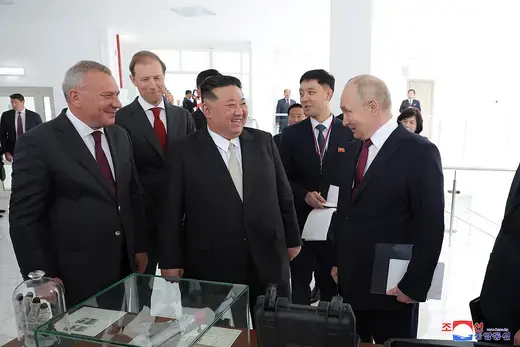
- Russia: Supporting diplomatic resolutions and opposing aggressive sanctions.
Major Diplomatic Initiatives
- Six-Party Talks: Including the US, South Korea, China, Japan, Russia, and North Korea aimed at denuclearization.
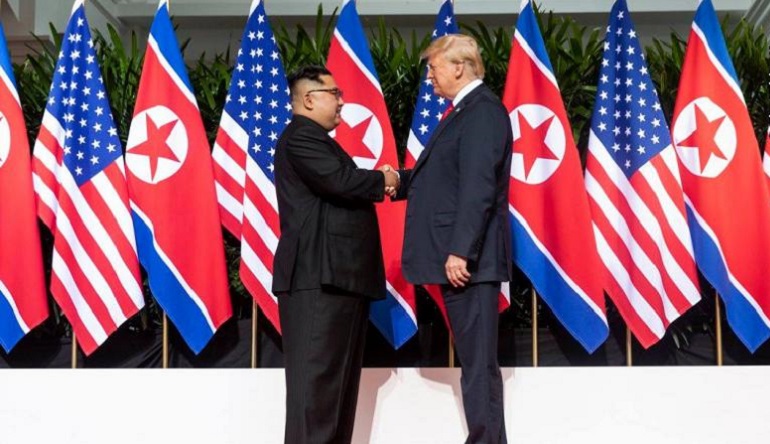
- Recent Summits: High-profile meetings between US and North Korean leaders in 2018 and 2019.
These coordinated efforts underscore the complexity and geopolitical significance of denuclearization initiatives on the Korean Peninsula.

History of North Korea's Nuclear Development

Timeline of North Korea's nuclear advancements
North Korea's nuclear journey spans several decades, marked by significant milestones and growing capabilities. Key developments include:
- 1986: Yongbyon Nuclear Scientific Research Center operational.
- 2006: First underground nuclear test conducted.
- 2012: Claims of successful miniaturization of nuclear warheads.
- 2017: Sixth and largest nuclear test; Hwasong-15 ICBM launch.
Key Milestones
| Year | Event |
|---|---|
| 1986 | Yongbyon facility operational |
| 2003 | Withdrawal from Nuclear Non-Proliferation Treaty |
| 2006 | First nuclear test |
| 2017 | Hwasong-15 ICBM launch and sixth nuclear test |
North Korea's persistent advancements highlight the regime's commitment to establishing a formidable nuclear deterrent, presenting a continuous challenge to global security frameworks.
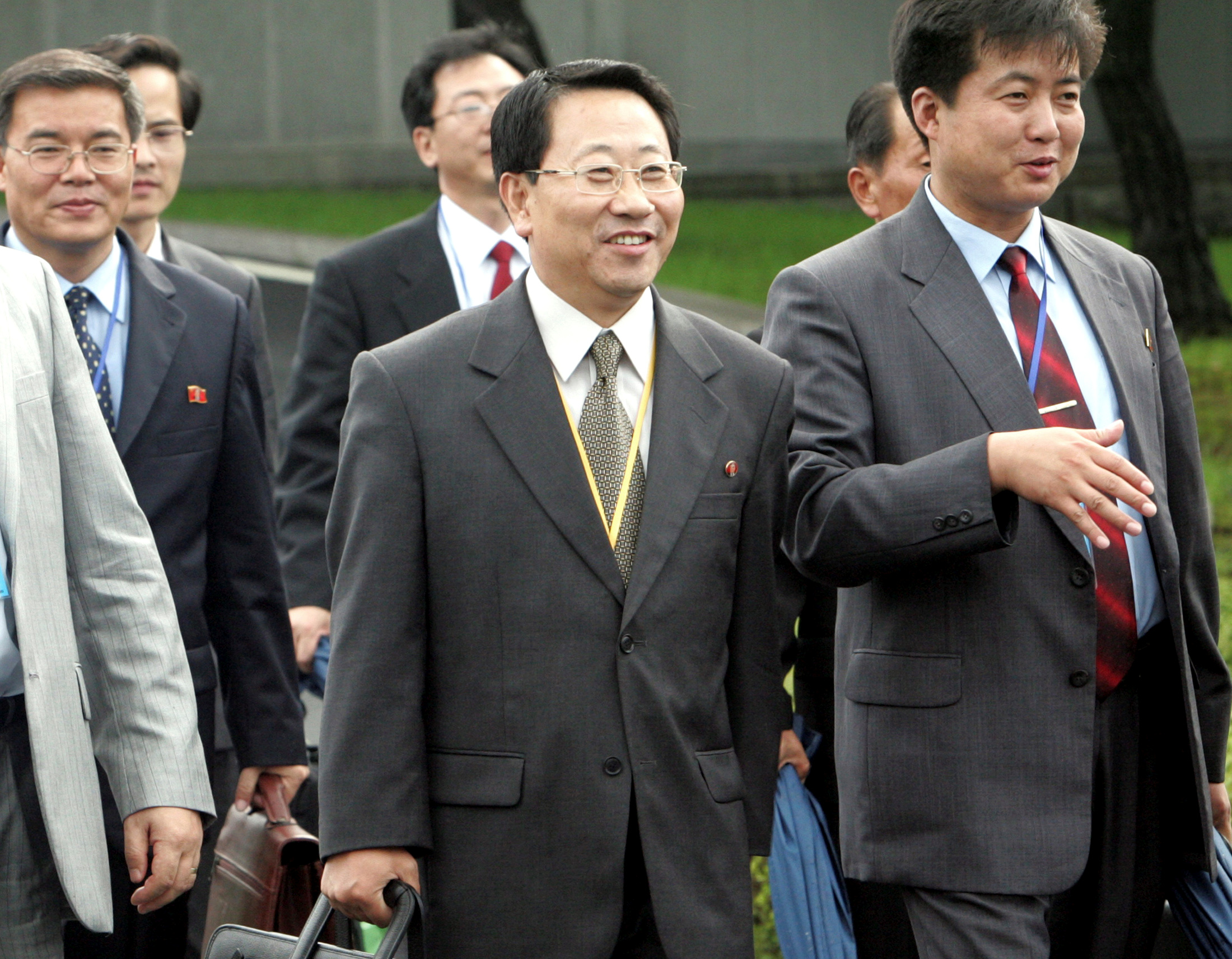
Previous agreements and disagreements
Diplomatic efforts to curb North Korea’s nuclear ambitions have seen various agreements and setbacks over the years. Key agreements and disagreements include:
- 1994 Agreed Framework: North Korea agreed to freeze its plutonium program in exchange for aid, which ultimately collapsed by 2003.
- Six-Party Talks (2003-2009): Aimed at denuclearization but ended in stalemate due to mutual distrust.
- 2018 Singapore Summit: Produced symbolic commitments but little tangible progress.
Key Agreements and their Outcomes
| Agreement | Outcome |
|---|---|
| 1994 Agreed Framework | Collapsed, North Korea resumed nuclear efforts |
| Six-Party Talks | Ended in stalemate |
| 2018 Singapore Summit | Symbolic commitments, limited progress |
These historical attempts underscore the difficulty of reaching and maintaining agreements with North Korea, which continues to prioritize its nuclear ambitions.
Recent Developments in Nuclear Talks

Key events leading to the resumption of negotiations
Negotiations over North Korea’s nuclear program have seen renewed interest due to several pivotal events. Key developments include:
- 2017 Tensions: Hwasong-15 ICBM launch and nuclear tests heightened global concern.
- 2018 Winter Olympics: South Korea utilized the occasion to initiate diplomatic relations, leading to inter-Korean summits.
- Historic Summits: The 2018 and 2019 meetings between US President Donald Trump and North Korean leader Kim Jong-un renewed dialogue.
Catalysts for Resumption
- 2017 Tensions: Increased global urgency.
- 2018 Winter Olympics: Catalyst for inter-Korean dialogue.
- US-North Korea Summits: Personal diplomacy opened new channels.
These events collectively stimulated a cautious but hopeful atmosphere for re-engaging in nuclear talks with North Korea.
Challenges and potential outcomes
Navigating the nuclear negotiations with North Korea presents extensive challenges and varied potential outcomes. Major hurdles include:
- Mutual distrust: Decades of broken agreements fuel skepticism.
- Verification: Ensuring compliance with denuclearization commitments is complex.
- Sanctions: Balancing pressure without provoking hostile responses.
Potential Outcomes
- Complete Denuclearization: Optimistic but difficult to achieve.
- Limited Agreements: Possible phased dismantling or freeze of specific programs.
- Stalemate: Continuation of the status quo, maintaining sanctions and ongoing tensions.
The negotiation process remains fraught with obstacles, but incremental agreements could pave the way for gradual denuclearization and improved regional stability.
North Korea's Nuclear Arsenal
Overview of North Korea's nuclear capabilities
North Korea boasts an increasingly sophisticated nuclear arsenal, which includes:
- Nuclear Warheads: Estimates suggest a stockpile possibly ranging from 20 to 60 nuclear warheads.
- Ballistic Missiles: A diverse range from short-range missiles to intercontinental ballistic missiles (ICBMs) like Hwasong-15, capable of reaching the US mainland.
- Nuclear Tests: Six confirmed underground nuclear tests since 2006 demonstrate continual advancements in yield and design.
Key Components of Nuclear Capabilities
- Warheads: Estimated 20-60.
- Missiles: Short-range to ICBMs (e.g., Hwasong-15).
- Testing Record: Six underground tests since 2006.
North Korea's growing nuclear capabilities present significant challenges for global non-proliferation efforts and regional security dynamics.

Impact on regional and global security
North Korea's nuclear capabilities profoundly affect both regional and global security landscapes. Key impacts include:
- Regional Tensions: Increased military readiness and spending in South Korea and Japan.
- Global Non-Proliferation: Challenges to the integrity of the Nuclear Non-Proliferation Treaty (NPT).
- US Interests: Direct threat to US territories and allies, prompting strategic military deployments.
Security Implications
- Regional: Elevated tensions, military responses in Asia.
- Global: Erosion of NPT's credibility.
- US Dynamics: Threat to US territories, allies.
The persistent threat of North Korea's nuclear program exacerbates regional insecurities and undermines broader international security efforts, necessitating coordinated global responses.

International Response and Sanctions

International community's stance on North Korea's nuclear program
The international community remains largely unified in opposition to North Korea’s nuclear ambitions. Prominent stances include:
- United Nations (UN): Imposed multiple rounds of sanctions, aiming to restrict North Korea's nuclear and ballistic missile programs.
- United States and Allies: Advocating for denuclearization through diplomatic and economic pressure.
- China and Russia: While supporting sanctions, they emphasize dialogue and often oppose escalatory measures.
Key Stances
- UN: Comprehensive sanctions regime.
- US and Allies: Diplomatic pressure, sanctions.
- China and Russia: Support sanctions, advocate dialogue.
This collective stance underscores the global consensus against nuclear proliferation and the concerted efforts to compel North Korea towards denuclearization.

Effectiveness of sanctions and diplomatic pressure
Sanctions and diplomatic pressure have had mixed results in curbing North Korea’s nuclear program. Key observations include:
- Economic Impact: Sanctions have significantly strained North Korea's economy, affecting trade and humanitarian conditions.
- Nuclear Development: Despite economic pressure, North Korea has continued advancing its nuclear and missile capabilities.
- Diplomatic Engagement: Intermittent talks have yielded temporary freezes but no lasting denuclearization commitments.
Key Observations
- Economic Pressure: Strains on trade, humanitarian issues.
- Continued Development: Progress in nuclear and missile technologies.
- Diplomatic Results: Temporary freezes, but no long-term solutions.
While sanctions and pressure have hindered economic growth, they have yet to achieve their ultimate goal of denuclearizing North Korea, necessitating renewed and innovative diplomatic strategies.

Future Prospects for Nuclear Negotiations

Potential paths forward in the dialogue with North Korea
Navigating future dialogue with North Korea requires strategic, multifaceted approaches. Potential paths forward include:
- Incremental Denuclearization: Gradual, step-by-step dismantling of nuclear capabilities in exchange for phased sanctions relief.
- Security Guarantees: Providing North Korea with assurances against regime change to build trust.
- Multilateral Negotiations: Reviving and expanding formats like the Six-Party Talks to include more global stakeholders.
Strategic Approaches
- Incremental Denuclearization: Step-by-step progress, phased sanctions relief.
- Security Guarantees: Assurances to reduce regime insecurities.
- Multilateral Talks: Broader international engagement.
These tailored strategies aim to balance pressure and incentives, creating a conducive environment for meaningful denuclearization negotiations with North Korea.

Implications for denuclearization efforts on the Korean Peninsula
Denuclearization efforts on the Korean Peninsula carry far-reaching implications. Key considerations include:
- Regional Stability: Successful denuclearization could significantly reduce military tensions in Northeast Asia.
- Economic Opportunities: Potential lifting of sanctions could bolster North Korea’s economy and open new trade avenues.
- Global Non-Proliferation: A denuclearized Korean Peninsula would reinforce the global non-proliferation regime and serve as a model for future disarmament initiatives.
Key Implications
- Regional Stability: Reduced military tensions.
- Economic Growth: Enhanced trade and economic opportunities.
- Non-Proliferation Strengthening: Positive global impact on disarmament efforts.
Achieving denuclearization would dramatically transform the geopolitical and economic landscape of the Korean Peninsula, fostering greater peace and stability.