
Introduction

Introduction
Shelley Duvall, a name synonymous with versatility and originality, has left an indelible mark on the entertainment industry. To truly appreciate her remarkable impact, one must delve into the early years that set the stage for her illustrious career.
Shelley Duvall: Early life and career highlights
Born on July 7, 1949, in Fort Worth, Texas, Shelley Alexis Duvall spent her formative years immersed in a world far from Hollywood. Her father, Robert, was a cattle auctioneer, while her mother, Bobbie, worked as a real estate agent. Shelley initially pursued a path in science, majoring in nutrition and dietetics in college. However, fate intervened when she caught the eye of filmmaker Robert Altman during a chance encounter at a party.
Duvall's unique look and quirky persona quickly translated to the screen, leading to her debut role in Altman's film "Brewster McCloud" (1970). Her early collaborations with Altman showcased her ability to embody eccentric and memorable characters, laying the groundwork for what would become a trailblazing career. These formative roles not only highlighted her innate acting abilities but also marked the beginning of a series of significant collaborations that would redefine her trajectory in Hollywood.

Shelley Duvall's Impact on Hollywood and Film Industry
Shelley Duvall's early success with Robert Altman opened doors, but it was her eclectic talent and dedication that solidified her impact on Hollywood. She became known not just as an actress, but as a multifaceted contributor to the film industry.
Acting Beyond Conventions
Duvall's roles defied traditional Hollywood archetypes. From her portrayal of a downtrodden yet resilient Olive Oyl in "Popeye" (1980) to her haunting performance as Wendy Torrance in Stanley Kubrick's "The Shining" (1980), Duvall consistently brought depth and nuance to her characters. Her willingness to take on such diverse roles showcased her versatility and fearlessness.
Pioneering Producer
Beyond acting, Duvall made significant strides behind the camera. She founded her own production company, Platypus Productions, which produced the acclaimed "Faerie Tale Theatre" series. This venture not only highlighted her creative vision but also offered a unique blend of storytelling that captivated audiences of all ages.
Championing Independent Films
Duvall's commitment to unique, often underappreciated projects helped pave the way for independent filmmakers. By working with visionary directors like Robert Altman, Stanley Kubrick, and Tim Burton, she demonstrated the value of artistic risk-taking, influencing many actors and producers to follow suit.
Cultural Icon and Inspiration
Over the decades, Duvall has become a cultural icon. Her unique style, both on and off-screen, has inspired countless artists, actors, and filmmakers. Her ability to push boundaries and explore complex characters has left a lasting legacy, securing her place as an invaluable figure in Hollywood history.
Shelley Duvall's impact on Hollywood is profound and multifaceted, encompassing groundbreaking performances, innovative productions, and a lasting influence on independent cinema.

The Shining: A Cinematic Masterpiece

Shelley Duvall's Role in The Shining
Transitioning from her significant impact on Hollywood, one cannot overlook Shelley Duvall's role in Stanley Kubrick's classic horror film, The Shining (1980). This performance remains one of the most discussed and analyzed in her career.
Portraying Wendy Torrance
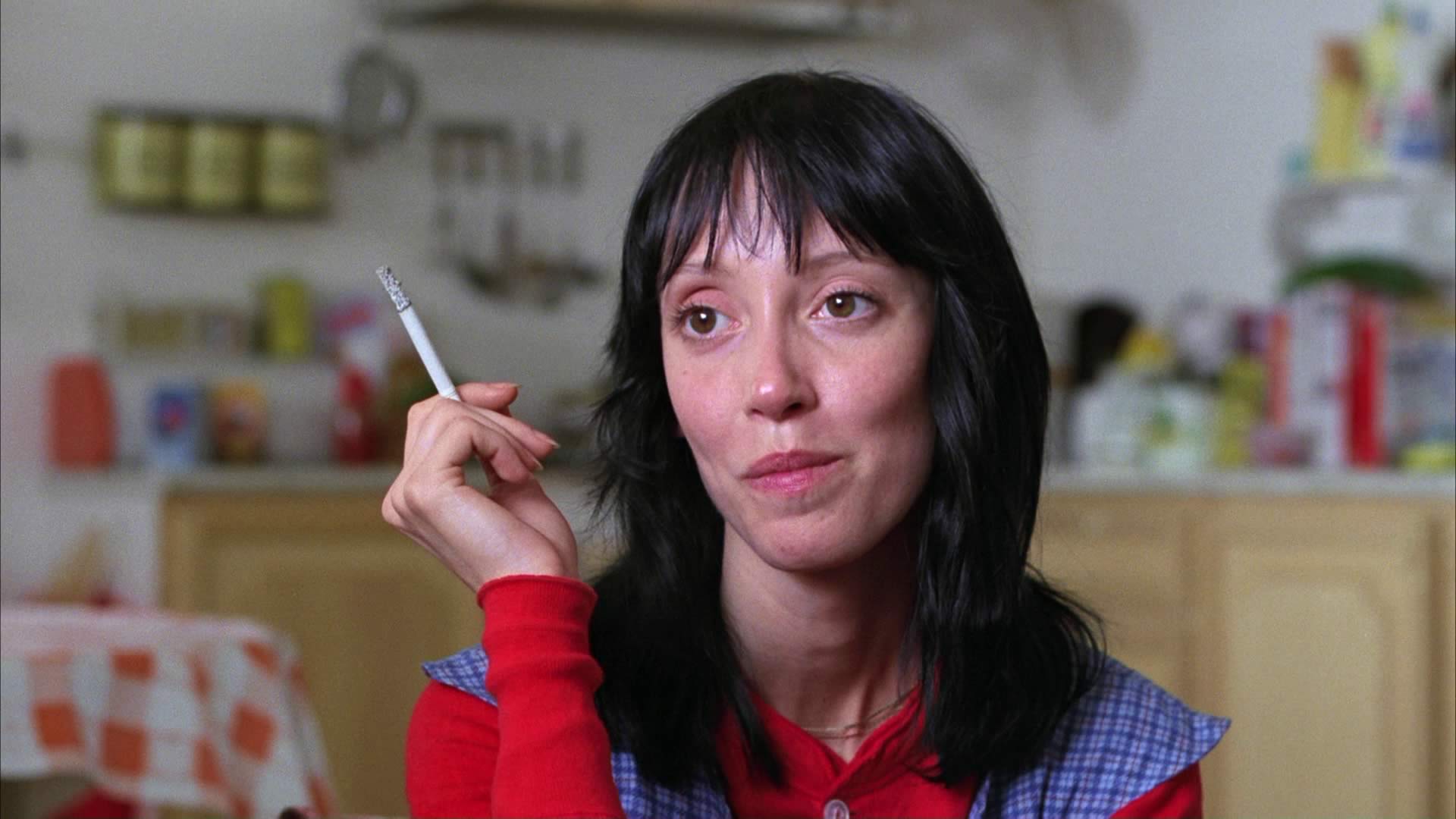
Shelley Duvall portrayed Wendy Torrance, the emotionally fragile yet fiercely protective wife of Jack Torrance (Jack Nicholson). Her character finds herself trapped in the isolated and ominous Overlook Hotel, contending not just with the supernatural forces within but also with her increasingly unstable husband. Duvall's performance is marked by its raw vulnerability and emotional intensity, creating a character who resonates deeply with viewers.
A Grueling Experience
The production of The Shining was famously arduous, particularly for Duvall. Stanley Kubrick, known for his perfectionism, demanded numerous takes for each scene, putting immense pressure on Duvall. For instance, the iconic baseball bat scene reportedly took 127 takes to complete. Despite these challenges, Duvall delivered a performance that was both compelling and deeply affecting.
Emotional Realism
Duvall's ability to convey fear, desperation, and resilience brought an emotional realism to Wendy Torrance that grounded the film's more fantastical elements. Her portrayal turned Wendy into a multidimensional character, evoking sympathy and admiration from audiences. This emotional authenticity added a profound layer to the film's psychological horror.
A Lasting Legacy
Though initially overshadowed by Nicholson's more flamboyant role, Duvall's portrayal of Wendy Torrance has gained significant recognition over the years. Critics and audiences alike have come to appreciate the depth and nuance she brought to the character, solidifying her performance as one of the most memorable in horror film history.
Shelley Duvall's role in The Shining stands as a testament to her incredible talent and resilience, further cementing her status as a true icon in the film industry.
Shelley Duvall's Collaboration with Stanley Kubrick
Following the unforgettable performance in The Shining, it's essential to delve deeper into Shelley Duvall's collaboration with Stanley Kubrick, a partnership that stands as one of the most grueling and fascinating in film history.
The Director-Actor Dynamic
The Shining required an intense and often controversial collaboration between Shelley Duvall and Stanley Kubrick. Known for his meticulous and exacting nature, Kubrick sought to elicit the most authentic responses from his actors. This dynamic between the visionary director and the dedicated actress created a unique working environment charged with both creativity and tension.
Rigorous Demands
Kubrick's relentless pursuit of perfection meant that Duvall often faced extreme and almost inhumane demands on set. Reports cite that Kubrick pushed Duvall to the brink of exhaustion through numerous takes and emotionally taxing scenes. The director believed that this method would bring out a more genuine portrayal of Wendy Torrance’s increasing terror and desperation.
Psychological Pressure
The intense pressure Duvall faced during filming has been widely documented. Kubrick isolated her from the cast and crew to heighten her sense of vulnerability and stress, tactics that were both praised and criticized. This psychological pressure was intended to immerse Duvall fully in her role, resulting in a harrowingly authentic performance.
The Resulting Masterpiece
Despite the grueling conditions, the collaboration yielded a masterpiece that continues to captivate audiences and critics alike. Duvall’s performance, shaped by Kubrick's relentless direction, brought an enduring emotional depth to The Shining. Her portrayal of Wendy Torrance became a defining role in her career, symbolizing both her incredible talent and the high personal cost of artistic dedication.
Reflection on Their Partnership
While the methods Kubrick employed have sparked considerable debate, there’s no denying that their collaboration produced a film of extraordinary psychological complexity and haunting resonance. The partnership between Kubrick and Duvall remains a compelling chapter in the annals of cinema, illustrating the profound impact a director-actor relationship can have on film artistry.
Shelley Duvall's collaboration with Stanley Kubrick, marked by its intensity and resulting brilliance, is a testament to her exceptional abilities and her commitment to her craft, further underscoring her significant legacy in Hollywood.

Iconic Collaborations: Shelley Duvall and Robert Altman
Iconic Collaborations: Shelley Duvall and Robert Altman
Following her intense collaboration with Stanley Kubrick in The Shining, it is equally vital to explore Shelley Duvall's notable films with another visionary director, Robert Altman. Their artistic partnership significantly shaped her career and demonstrated her versatility.
McCabe & Mrs. Miller (1971)
One of Duvall’s early roles under Altman's direction was in the revisionist Western McCabe & Mrs. Miller. Although her screen time was limited, she made a memorable impression as Ida Coyle, a young mail-order bride. This role marked the beginning of a fruitful collaboration that would see Duvall flourish under Altman’s unique directorial approach.
Brewster McCloud (1970)
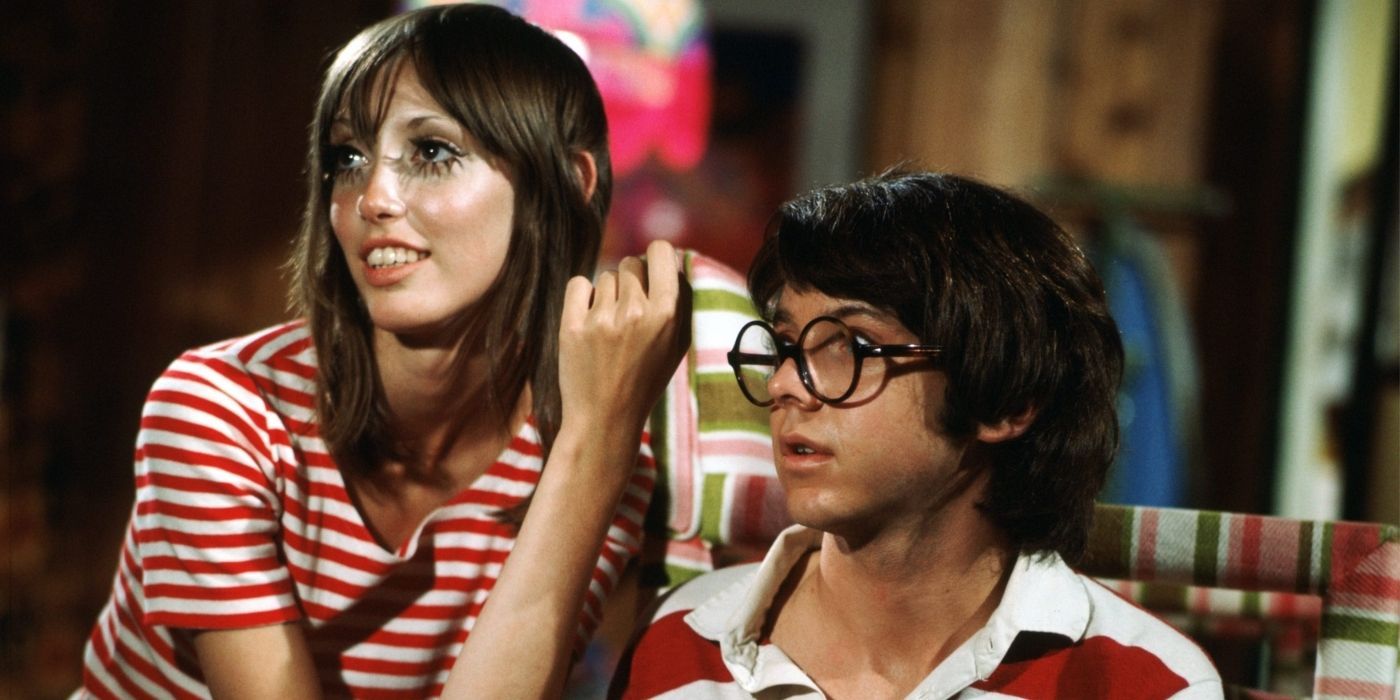
In Brewster McCloud, Duvall played the quirky and charming character Suzanne, showcasing her ability to embody an offbeat and whimsical persona. Her performance in this film was a stepping stone that highlighted her potential and secured her position as a distinctive talent in Altman’s ensemble cast.
Nashville (1975)
Altman's epic masterpiece Nashville featured Duvall as the free-spirited and somewhat aloof character, Martha, also known as "L.A. Joan." In this sprawling mosaic of interconnected stories, Duvall's portrayal added depth and color to the film's rich tapestry, reflecting her skill in inhabiting complex, multifaceted roles.
3 Women (1977)
One of her most celebrated performances came in 3 Women, where Duvall played Millie Lammoreaux, a talkative and socially awkward woman. This role allowed Duvall to delve deeply into a character study, showcasing her extraordinary range and ability to evoke empathy. The film is often cited as one of Altman’s finest, and Duvall’s performance was central to its critical acclaim.
Popeye (1980)
In the live-action adaptation of the classic comic strip, Popeye, Duvall took on the role of Olive Oyl. Her portrayal was lauded for capturing the character’s comic-strip essence while adding nuanced layers of vulnerability and strength. This role further solidified her reputation as a versatile and charismatic actress.
Legacy of Their Collaboration
Shelley Duvall’s collaborations with Robert Altman spanned several years and a variety of genres, each film reinforcing her adaptability and talent. Altman's confidence in Duvall allowed her to explore diverse characters, enhancing her reputation as a distinctive and gifted actress. Their partnership not only highlighted her early career but also left an indelible mark on American cinema.
Shelley Duvall's notable films with Robert Altman serve as a testament to her artistic range and her ability to seamlessly transition between vastly different roles, underscoring her legacy in Hollywood.

Shelley Duvall's Unique Characters in Altman's Films
Following her notable collaborations with Robert Altman, it's essential to delve deeper into the unique characters Shelley Duvall brought to life in these films. Each character highlighted her distinctive talent and ability to captivate audiences.
Millennium Paulette in Brewster McCloud (1970)
In Brewster McCloud, Duvall played the role of Suzanne, later known as Millennium Paulette. Suzanne is a young, free-spirited tour guide who becomes romantically entangled with the protagonist, Brewster. This character’s quirky charm and unique personality showcased Duvall's ability to infuse her roles with memorable and distinctive traits. Her spontaneous, naturalistic style made Suzanne a stand-out character in Altman's eccentric universe.
Ida Coyle in McCabe & Mrs. Miller (1971)
Although her role as Ida Coyle in McCabe & Mrs. Miller was small, Duvall’s portrayal of the innocent, starry-eyed mail-order bride was unforgettable. Ida, with her simple naivety, contrasted sharply with the film’s gritty, cynical atmosphere, adding a layer of poignancy and humanizing the rugged setting. Duvall's authentic performance brought depth to a seemingly minor character, showcasing her ability to leave a lasting impact regardless of screen time.
Martha in Nashville (1975)
In the sprawling ensemble cast of Nashville, Duvall played 'L.A. Joan,' a free-spirited groupie who floats through the film’s interwoven narratives. Her whimsical and somewhat disconnected demeanor provided a counterbalance to the more intense and politically charged elements of the film. Duvall's portrayal of Martha added an ethereal quality, capturing the essence of a transient lifestyle with authenticity and subtlety.
Millie Lammoreaux in 3 Women (1977)
One of Duvall’s most complex and celebrated roles was that of Millie Lammoreaux in 3 Women. Millie is a chatty, socially awkward woman whose veneer of confidence hides a deep-seated insecurity. Duvall meticulously crafted Millie's character, turning her into a richly layered individual whose evolution throughout the film is both mesmerizing and heartbreaking. Her performance in 3 Women received critical acclaim and cemented her status as an actress of considerable depth and ability.
Olive Oyl in Popeye (1980)
In Altman's live-action adaptation of the comic strip Popeye, Duvall portrayed Olive Oyl. With her lanky frame, distinct voice, and expressive eyes, she was the perfect embodiment of the beloved cartoon character. Duvall’s Olive was a delightful mix of vulnerability, comedic timing, and endearing awkwardness. This role allowed her to exhibit her comedic prowess while remaining true to the character’s animated roots.
Conclusion of Their Unique Characters
Each of these characters, brought to life through Duvall's extraordinary talent, illustrated her remarkable ability to transform into vastly different personas. Her collaborations with Altman provided a canvas on which she could showcase her full range of acting skills, from comedy to drama, enhancing her reputation as one of Hollywood’s most unique and versatile actresses.
Shelley Duvall's unique characters in Altman's films not only defined her career but also enriched American cinema with their unforgettable and multifaceted portrayals, solidifying her legacy as an exceptional talent.

Shelley Duvall's Contributions to Children's Entertainment
Shelley Duvall's Faerie Tale Theatre Legacy
From her unique characters in Altman’s films to pioneering children's entertainment, Shelley Duvall made a significant mark with Faerie Tale Theatre. This innovative series remains a testament to her visionary creativity and profound influence on children's television.
Concept and Creation
In the early 1980s, Shelley Duvall launched Faerie Tale Theatre, a project born from her passion for storytelling and childhood imagination. The series adapted classic fairy tales with a modern twist, featuring all-star casts and directors. Duvall's role went beyond just hosting; she was the driving force, serving as the producer and the creative visionary behind the show.
Star-Studded Episodes
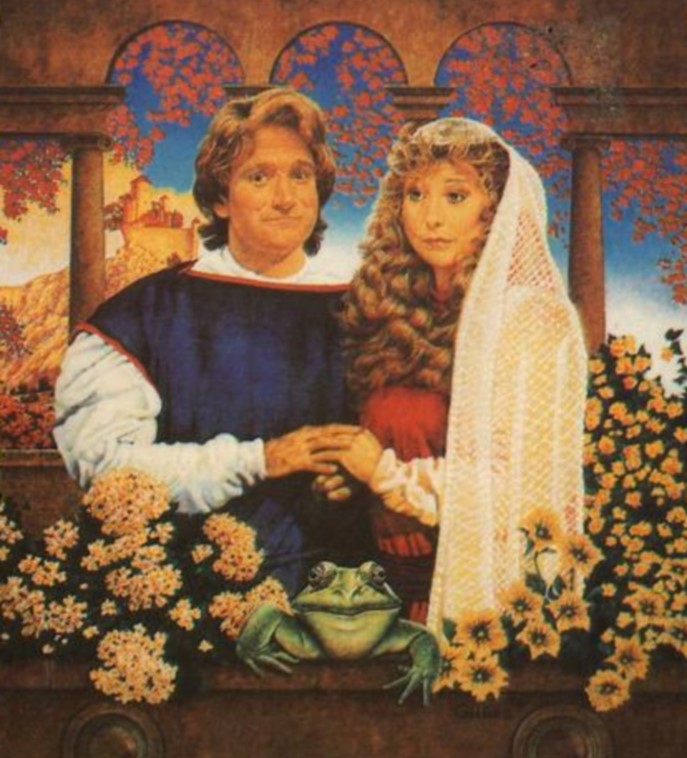
Faerie Tale Theatre gained immense popularity partly due to its remarkable casting. Duvall's influence and reputation in Hollywood attracted prominent actors like Robin Williams, who played the Frog Prince, and Mick Jagger, who appeared in "The Nightingale." Directors such as Tim Burton and Francis Ford Coppola brought their unique styles to various episodes, enhancing the series' cinematic quality.| Fairy Tale | Lead Actor/Actress | Director | |------------|---------------------|----------| | The Tale of the Frog Prince | Robin Williams | Eric Idle | | Cinderella | Jennifer Beals | Mark Cullingham | | The Nightingale | Mick Jagger | Ivan Passer | | Snow White and the Seven Dwarfs | Vanessa Redgrave | Peter Medak | | Beauty and the Beast | Susan Sarandon | Roger Vadim |
Creative Approach
What set Faerie Tale Theatre apart was its innovative approach to storytelling. The show combined humor, whimsy, and a touch of modernity, making age-old tales accessible and entertaining for children and adults alike. Duvall's vision ensured that each episode maintained a high production value, with elaborate sets, costumes, and special effects that rivaled mainstream television shows of the time.
Cultural Impact
Duvall's Faerie Tale Theatre not only entertained but also educated. The series introduced countless children to classic literature, fostering an appreciation for stories and encouraging imagination. The show's success paved the way for similar productions, influencing the landscape of children's television and cementing Duvall's legacy in the genre.
Lasting Influence
Even decades after its original airing, Faerie Tale Theatre continues to be celebrated for its creativity and charm. The series has found new audiences through reruns and streaming platforms, proving the timeless appeal of Duvall's vision. Her work on this series demonstrated not only her versatility as an entertainer but also her commitment to enriching the cultural fabric with imaginative storytelling.
Shelley Duvall's Faerie Tale Theatre legacy endures as a beloved and influential series that brought fairy tales to life in an enchanting and accessible way, securing her place as a pioneer in children's entertainment.

Shelley Duvall's Influence on Children's TV Programming
Following the immense success of Faerie Tale Theatre, Shelley Duvall's impact on children's television became more profound. Her innovative approach not only entertained but also reshaped the landscape of children's programming, fostering creativity and imagination.
Introducing High Production Values
Before Faerie Tale Theatre, children’s television often lacked the sophisticated production values of mainstream entertainment. Duvall changed this paradigm by investing in high-quality sets, costumes, and special effects. This emphasis on quality ensured that young audiences received a visually and narratively rich experience, akin to watching a feature film.
Star-Powered Narratives
Duvall's ability to attract well-known actors and directors added a new layer of appeal to children’s TV. By involving Hollywood A-listers in the storytelling, she brought a touch of glamour and professionalism that elevated the genre. This star power not only drew parents to watch alongside their children but also validated children's programming as a serious and respected entertainment form.
Bridging Generational Gaps
Faerie Tale Theatre effectively bridged generational gaps, appealing to both children and adults. This dual-level engagement encouraged family viewing, creating a shared cultural experience that promoted bonding through storytelling. Duvall's work reminded audiences that children’s content could be sophisticated, humorous, and educational simultaneously, fostering a more inclusive viewing environment.
Educational and Ethical Themes
Duvall’s storytelling often emphasized moral lessons and ethical values without being overtly didactic. The fairy tales adapted for Faerie Tale Theatre encouraged children to reflect on themes such as bravery, kindness, and honesty. By presenting these stories in an entertaining format, Duvall subtly instilled important life lessons, contributing to the developmental growth of her young viewers.
Expanding Opportunities in Children’s TV
Duvall’s pioneering work opened doors for future content creators in children's television. Her success demonstrated that children’s programming could be innovative, high-quality, and commercially viable. This paved the way for other creative and ambitious projects, encouraging networks and producers to invest more in the genre.
Lasting Impact
Shelley Duvall's influence is still evident today. Contemporary children's shows often emulate her successful formula of blending education with entertainment, using high production values, and enlisting celebrity talent. Examples include series like Reading Rainbow, which combines educational content with engaging storytelling, or animated features like Shrek, which appeal to both children and adults through layered humor and high-quality animation.
In summary, Shelley Duvall's influence on children's TV programming is enduring. Her innovative approach, commitment to quality, and ability to engage audiences of all ages have left a lasting legacy, continuously inspiring creators and enriching the world of children's entertainment.
Unforgettable Performances: Shelley Duvall's Range
Unforgettable Performances: Shelley Duvall’s Range
In the wake of her influence on children’s TV programming, it's important to recognize Shelley Duvall's versatility across different genres. Her ability to navigate diverse roles has made her one of Hollywood's most dynamic and respected actors.
Comedy and Quirkiness: Annie Hall (1977)
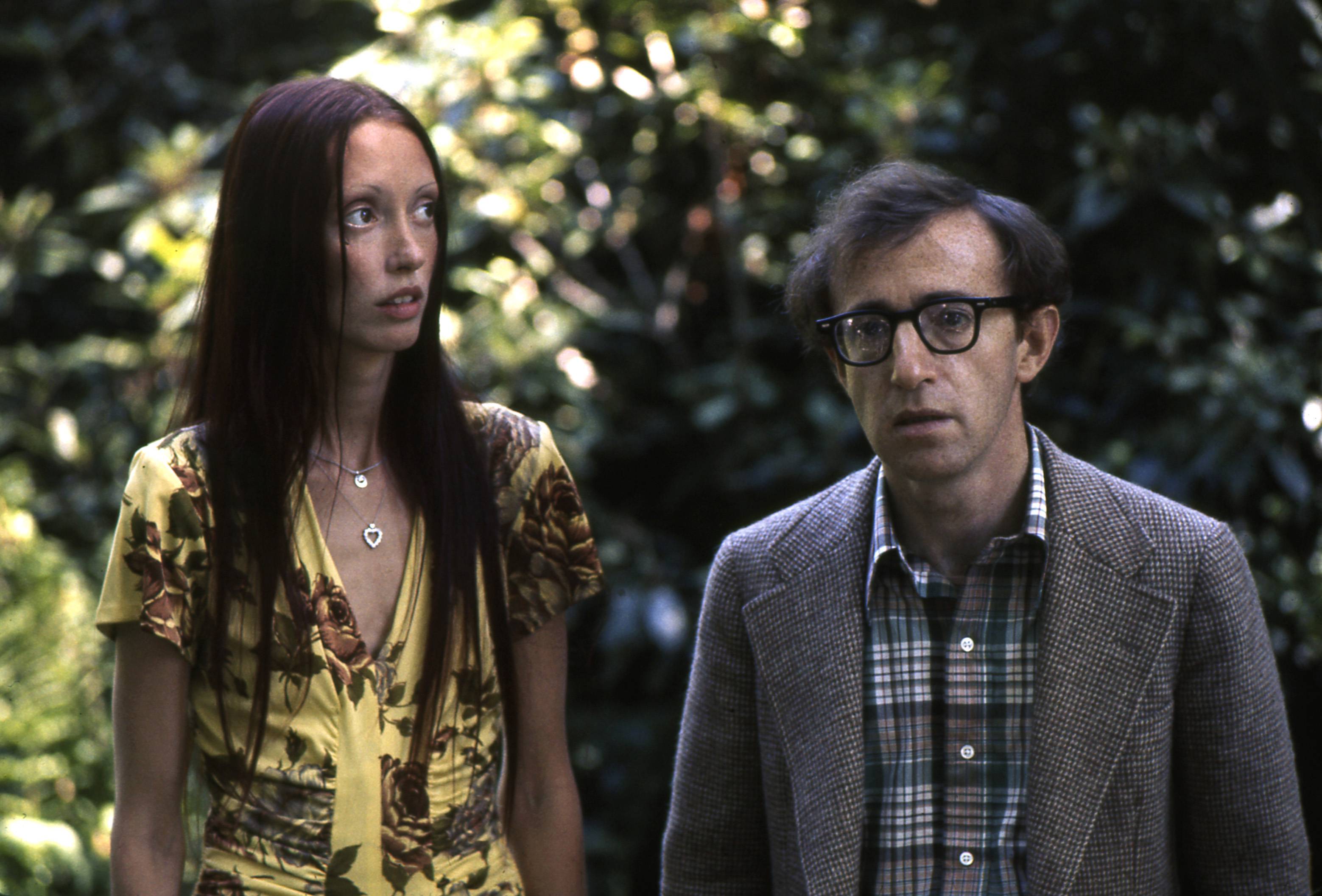
In Woody Allen's Annie Hall, Duvall played Pam, a quaint and free-spirited character who briefly dates the protagonist, Alvy Singer. Her quirky humor and distinctive persona added a memorable touch to the film. This role showcased her comedic talent and ability to bring depth to even smaller parts, contributing significantly to the film's overall charm.
Horror and Psychological Drama: The Shining (1980)
Duvall's role as Wendy Torrance in Stanley Kubrick's The Shining highlighted her capacity to handle intense psychological drama. Her portrayal of a terrified yet resilient wife in a haunted hotel remains one of the most compelling performances in horror cinema. This role demanded emotional depth and stamina, further underscoring her range and versatility.
Romantic Fantasy: Time Bandits (1981)
In Terry Gilliam's Time Bandits, Duvall lent her talents to the role of Dame Pansy, a whimsical character in a film full of imaginative escapades. This fantasy genre allowed her to explore romantic and fantastical elements, showcasing her ability to adapt to different narrative styles and contexts.
Musical Comedy: Popeye (1980)
Duvall's portrayal of Olive Oyl in Robert Altman’s musical comedy Popeye showcased her ability to combine physical comedy with musical talent. Her performance was both charming and humorous, perfectly capturing the spirit of the comic strip character. Her work in this genre demonstrated her multifaceted talent and her skill in combining various entertainment forms.
Independent Drama: Roxanne (1987)
In Roxanne, a modern retelling of Cyrano de Bergerac, Duvall played Dixie, the straightforward and caring friend of the protagonist. The film provided Duvall with an opportunity to exhibit her understated dramatic abilities. Her portrayal added emotional grounding to the story, further demonstrating her capacity for diverse dramatic roles.
Reflecting on Her Versatility
Through these examples, it's evident that Duvall's versatility has allowed her to thrive in multiple genres. Whether it’s the intense psychological landscape of horror, the whimsical realms of fantasy, or the nuanced dynamics of independent dramas, she has continually proven her ability to adapt and excel. Her eclectic filmography is a testament to her remarkable talent and commitment, enriching each genre with her unique presence.
Shelley Duvall's versatility in different genres has not only broadened her artistic repertoire but also solidified her standing as a dynamic and indispensable figure in Hollywood, continuously captivating audiences with her wide-ranging performances.
Shelley Duvall's Memorable Roles Beyond the Mainstream
Transitioning from her notable versatility in different genres, it's essential to highlight Shelley Duvall's memorable roles beyond mainstream cinema. These performances underscore her dedication to diverse storytelling and her ability to shine in unique and unconventional projects.
Art-House Favorite: Bernice Bobs Her Hair (1976)
In the PBS adaptation of F. Scott Fitzgerald's short story Bernice Bobs Her Hair, Duvall played the titular role of Bernice, a socially awkward young woman navigating the complexities of high society. Her portrayal captured the character’s transformation with subtlety and emotional depth, exemplifying her talent in art-house cinema and her commitment to literary adaptations.
Experimental Cinema: Buffalo Bill and the Indians, or Sitting Bull's History Lesson (1976)
Directed by Robert Altman, Buffalo Bill and the Indians showcased Duvall as Annie Oakley, a role that merged historical fiction with Altman’s signature experimental style. Duvall's performance, layered with nuance and authenticity, contributed significantly to the film’s exploration of Western myths and legends. This role further illustrated her willingness to engage in experimental projects that challenge conventional storytelling.
Dark Comedy: O.C. and Stiggs (1985)
In Altman’s dark comedy O.C. and Stiggs, Duvall played Elinore Schwab, adding her unique touch to the film’s satirical take on American suburbia. Her performance, filled with comic irony and depth, enhanced the film's critique of societal norms. This role highlighted her ability to navigate the complexities of dark comedy, further enriching her diverse portfolio.
Independent Films: The Underneath (1995)
Steven Soderbergh's The Underneath featured Duvall in a supporting role as the protagonist's stepmother. Her performance was marked by its subtlety and complexity, contributing to the film's tense, noir atmosphere. Duvall’s involvement in this independent film underscored her continued commitment to compelling and unconventional narratives.
Television Movies: The Portrait of a Lady (1996)
In the television adaptation of Henry James’ The Portrait of a Lady, Duvall played Henrietta Stackpole, a fearless American journalist. Her portrayal brought a dynamic and spirited energy to the character, illustrating her ability to infuse literary adaptations with authenticity and vivacity. This role, although in a TV movie, remains a highlight of her extensive and varied career.
Cult Classic: Suburban Commando (1991)
In Suburban Commando, Duvall ventured into the realm of sci-fi comedy, playing the wife of an ordinary suburban man who encounters an intergalactic warrior. Her comedic timing and ability to play off genre conventions made her role memorable and showcased her range within less mainstream, cult-classic contexts.
Conclusion of Her Diverse Roles
These roles, while perhaps not as widely recognized as her mainstream work, are testament to Shelley Duvall’s extraordinary range and her eagerness to explore diverse and challenging characters. Her ability to bring authenticity and depth to such a wide array of roles highlights her remarkable talent and commitment to her craft.
Shelley Duvall's memorable roles beyond the mainstream underscore her exceptional versatility, continuously pushing the boundaries of storytelling and leaving an indelible mark on every project she undertakes.

Legacy and Reflection
Legacy and Reflection
Transitioning from her varied and impactful roles beyond mainstream cinema, it's essential to reflect on Shelley Duvall's lasting impact on Hollywood. Her contributions have gone beyond individual performances, shaping the industry's approach to diverse and innovative storytelling.
Redefining Character Archetypes
Shelley Duvall's unique presence redefined what it means to be a leading lady in Hollywood. Eschewing traditional glamour, she brought authenticity and complexity to her characters. Whether portraying the quirky Millie in 3 Women or the terrified yet strong Wendy Torrance in The Shining, Duvall consistently offered depth and nuance, challenging conventional character archetypes and paving the way for more diverse representations.
Pioneering Independent Cinema
Duvall’s collaborations with directors like Robert Altman and Stanley Kubrick exemplified her commitment to bold, artistic cinema. By embracing roles in experimental and independent films, she championed projects that pushed creative boundaries. Her work in these films demonstrated the viability and artistic worth of independent cinema, encouraging future actors and filmmakers to pursue their artistic visions outside mainstream Hollywood.
Innovations in Children's Programming
Beyond her film career, Duvall significantly impacted children’s television with Faerie Tale Theatre. This series introduced high production standards and innovative storytelling to children's programming, merging entertainment with education. Duvall’s foresight in combining celebrity talent with classic tales set a new standard, influencing the production approach for future generations of children’s shows.
Advocate for Female Talent
Shelley Duvall's career also highlighted the importance of female-driven narratives and production roles. Through her work as a producer and creative force behind Faerie Tale Theatre, she demonstrated that women could lead successful and innovative projects in Hollywood. Her legacy inspires women in the industry to pursue diverse, creative roles both in front of and behind the camera.
Enduring Cultural Influence
Shelley Duvall's roles and projects have left an indelible mark on popular culture. Iconic performances in films like The Shining continue to resonate with audiences, while her contributions to children’s entertainment remain beloved classics. This enduring cultural influence speaks to her ability to create timeless, impactful work that transcends generations.
Inspiring Future Generations
Duvall’s eclectic career serves as a blueprint for aspiring actors and filmmakers. Her willingness to take risks, embrace diverse roles, and champion innovative storytelling stands as a testament to the importance of artistic courage and integrity. Future generations continue to look to her work for inspiration, driven by the trail she blazed in Hollywood.
Reflection on Her Impact
Shelley Duvall's lasting impact on Hollywood is multifaceted, encompassing her redefinition of character roles, her pioneering work in independent cinema, and her innovations in children's programming. Her legacy is one of artistic bravery, creative excellence, and lasting cultural influence.
In summary, Shelley Duvall's contributions have significantly shaped Hollywood, fostering a landscape more open to diversity, innovation, and bold storytelling. Through her varied and impactful career, she has left a legacy that continues to inspire and influence the industry.
Celebrating Shelley Duvall's Career and Contributions
Reflecting on Shelley Duvall's lasting impact on Hollywood, it's fitting to celebrate her remarkable career and the numerous contributions she has made to the entertainment industry. Her journey exemplifies artistic bravery, versatility, and an enduring legacy.
A Career of Bold Choices
Shelley Duvall's career is characterized by her bold and often unconventional choices. From her early work with Robert Altman to her unforgettable role in Stanley Kubrick's The Shining, Duvall consistently sought out challenging and diverse roles. Her willingness to dive into uncharted territories set her apart as a fearless artist committed to exploring the full spectrum of human experience.
Contributions to Diverse Storytelling
Duvall's eclectic filmography highlights her dedication to diverse storytelling. Through performances ranging from the whimsical to the psychologically intense, she brought life to an array of characters that might have remained unexplored in less capable hands. By doing so, she enriched the cinematic landscape with narratives that were both bold and deeply human.
Impact on Children's Television
Notably, Duvall's influence extended beyond film into the realm of children’s television. With Faerie Tale Theatre, she captivated young audiences and expanded the possibilities of children's programming. Her innovative approach blended education with entertainment, leaving an indelible mark on the genre.
Advocacy and Inspiration
Throughout her career, Duvall has been a quiet yet powerful advocate for female talent and creative vision. Her work as a producer and creative leader has inspired countless women in the industry to pursue their visions with confidence and integrity. By celebrating Duvall’s career, we also honor her role as an advocate for the voices of women in Hollywood.
Honoring Iconic Performances
While Shelley Duvall’s range as an actress is vast, certain performances stand out for their cultural and artistic impact. Her portrayal of Wendy Torrance in The Shining remains a benchmark for psychological horror, while her role as Millie Lammoreaux in 3 Women is celebrated for its emotional depth and complexity. These performances remind us of her extraordinary ability to capture and convey the intricacies of human nature.
Awards and Recognition
Duvall's career has been recognized with numerous awards and accolades. She received a Peabody Award for her work on Faerie Tale Theatre and an Emmy nomination for her role in The Shining. Such honors reflect not only her talent but also the significant contributions she has made to the arts.
Continuing Influence
Even today, Shelley Duvall’s influence can be seen in contemporary cinema and television. Actors and filmmakers draw inspiration from her choice of roles, her fearless approach to storytelling, and her contributions to high-quality children's content. Her legacy continues to shape and inspire new generations of artists.
Celebrating a Trailblazer
As we celebrate Shelley Duvall’s career and contributions, we recognize a trailblazer whose work has profoundly affected both the film and television industries. Her commitment to craft, her innovative spirit, and her dedication to meaningful storytelling ensure that her legacy will endure for years to come.
In celebrating Shelley Duvall's illustrious career, we honor an artist whose contributions have significantly enriched the world of entertainment, leaving a lasting and inspirational legacy for future generations.