Introduction to NATO's Strategic Impacts
Introduction to NATO's Strategic Impacts
To understand NATO's profound influence on global security, one must explore its origins and historical significance.
Brief History of NATO
Founded in 1949, the North Atlantic Treaty Organization (NATO) emerged as a solution to the post-World War II instability. Initially comprising twelve nations, NATO aimed to counter Soviet expansion and promote collective defense. Over the decades, its membership and strategic objectives evolved significantly.

Brief History of NATO
Founded in 1949, the North Atlantic Treaty Organization (NATO) emerged as a solution to the post-World War II instability. Initially comprising twelve nations, NATO aimed to counter Soviet expansion and promote collective defense. Over the decades, its membership and strategic objectives evolved significantly.
Evolution of NATO's Role in Global Security
NATO’s role in global security has expanded since its inception. Initially focussed on collective defense against the Soviet threat, it now addresses modern challenges like counterterrorism, cyber threats, and crisis management. This evolution underscores NATO’s adaptability to shifting geopolitical landscapes.

Cold War Era and Strategic Shifts
Evolution of NATO's Role in Global Security
NATO’s role in global security has expanded since its inception. Initially focussed on collective defense against the Soviet threat, it now addresses modern challenges like counterterrorism, cyber threats, and crisis management. This evolution underscores NATO’s adaptability to shifting geopolitical landscapes.
NATO during the Cold War
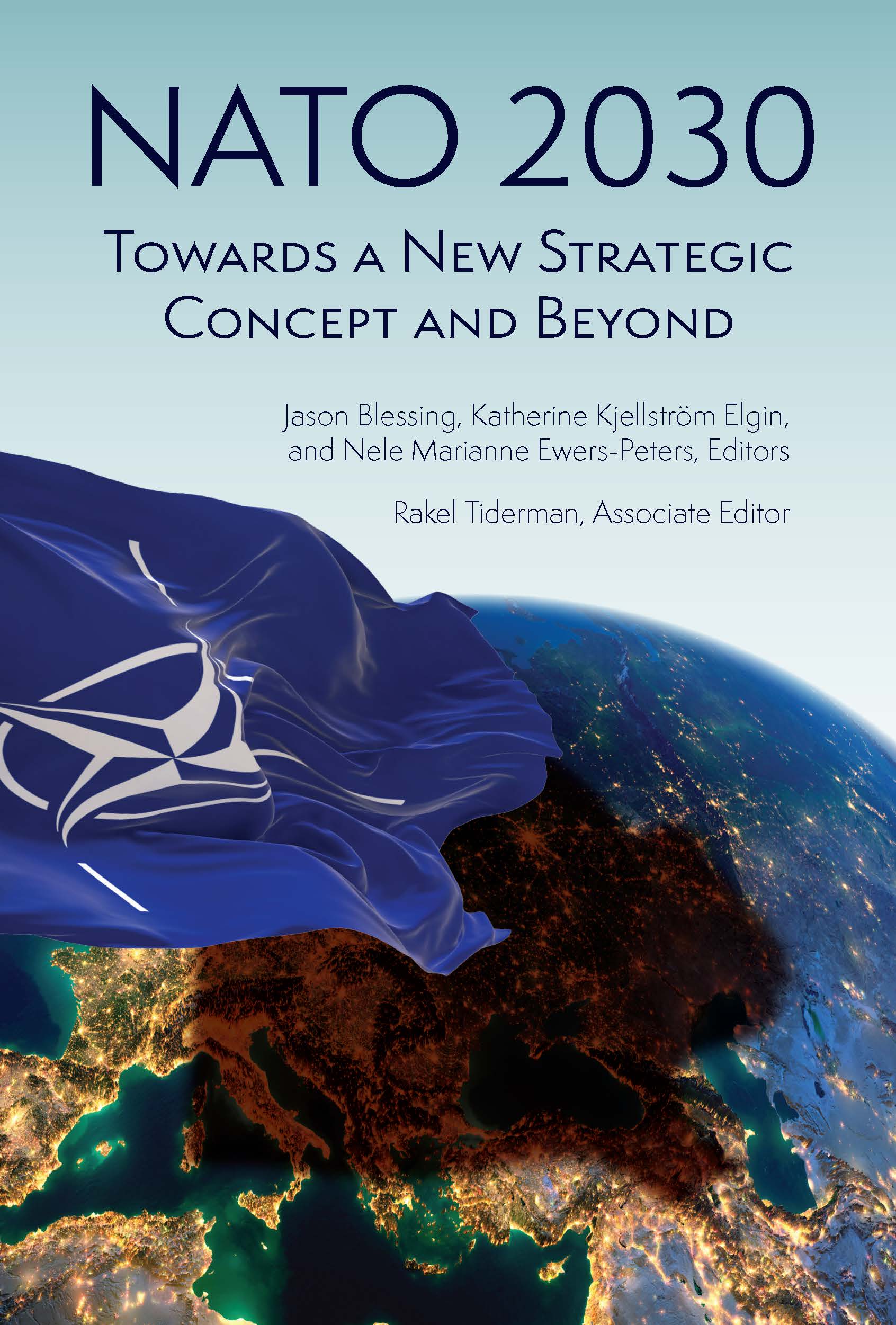
During the Cold War, NATO was pivotal in counteracting Soviet influence. Its strategy of deterrence and collective defense fostered stability in Western Europe. Regular military exercises, strategic installations, and intelligence sharing were integral to mitigating the risk of a potential Soviet invasion.
NATO during the Cold War
During the Cold War, NATO was pivotal in counteracting Soviet influence. Its strategy of deterrence and collective defense fostered stability in Western Europe. Regular military exercises, strategic installations, and intelligence sharing were integral to mitigating the risk of a potential Soviet invasion.
Strategic Transformations Post-Cold War
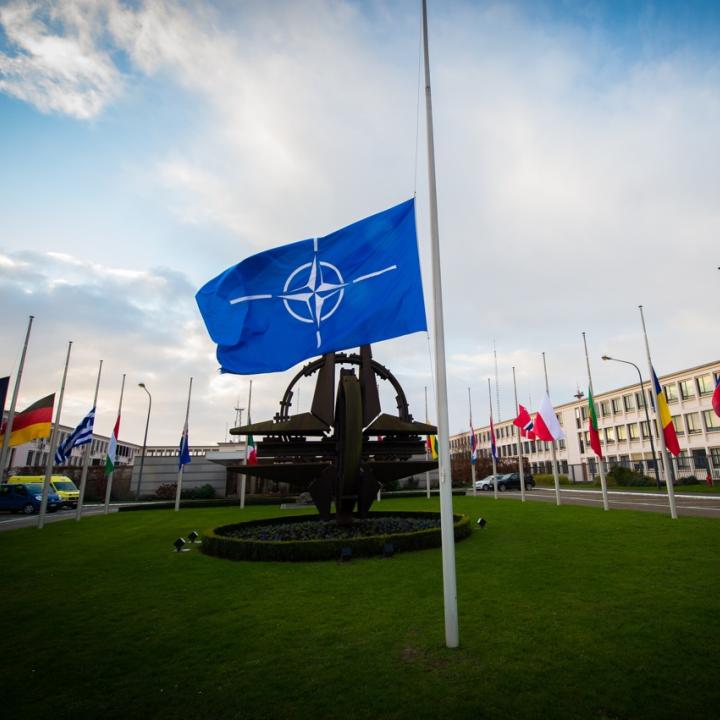
Post-Cold War, NATO underwent strategic transformations to address new security threats. It expanded its membership, engaged in peacekeeping missions, and shifted its focus to counterterrorism, cyber defense, and crisis management. These changes illustrate NATO's adaptability to the evolving international security landscape.

NATO's Response to Contemporary Challenges
Strategic Transformations Post-Cold War
Post-Cold War, NATO underwent strategic transformations to address new security threats. It expanded its membership, engaged in peacekeeping missions, and shifted its focus to counterterrorism, cyber defense, and crisis management. These changes illustrate NATO's adaptability to the evolving international security landscape.
NATO's Involvement in Counterterrorism Efforts
NATO has significantly intensified its counterterrorism efforts post-9/11. Through initiatives like Operation Active Endeavour, it enhanced maritime security in the Mediterranean. Furthermore, training programs, intelligence sharing, and partnerships with international organizations underscore NATO's commitment to combating global terrorism effectively.

NATO's Involvement in Counterterrorism Efforts
NATO has significantly intensified its counterterrorism efforts post-9/11. Through initiatives like Operation Active Endeavour, it enhanced maritime security in the Mediterranean. Furthermore, training programs, intelligence sharing, and partnerships with international organizations underscore NATO's commitment to combating global terrorism effectively.
Adapting to Cyber Threats
The rise of cyber threats has prompted NATO to fortify its digital defenses. Key initiatives include establishing the NATO Cooperative Cyber Defence Centre of Excellence and incorporating cyber resilience into collective defense strategies. These measures highlight NATO's proactive stance on safeguarding member nations from cyberattacks.
NATO's Role in Peacekeeping and Crisis Management
Adapting to Cyber Threats
The rise of cyber threats has prompted NATO to fortify its digital defenses. Key initiatives include establishing the NATO Cooperative Cyber Defence Centre of Excellence and incorporating cyber resilience into collective defense strategies. These measures highlight NATO's proactive stance on safeguarding member nations from cyberattacks.
Peacekeeping Missions Led by NATO
NATO has taken a leading role in various peacekeeping missions to stabilize conflict regions. Notable efforts include operations in Bosnia and Herzegovina, and Kosovo, where NATO forces have worked to maintain peace, facilitate humanitarian aid, and support political processes. These missions exemplify NATO’s commitment to global stability and humanitarian aid.

Peacekeeping Missions Led by NATO
NATO has taken a leading role in various peacekeeping missions to stabilize conflict regions. Notable efforts include operations in Bosnia and Herzegovina, and Kosovo, where NATO forces have worked to maintain peace, facilitate humanitarian aid, and support political processes. These missions exemplify NATO’s commitment to global stability and humanitarian aid.
Crisis Management Strategies and Interventions
NATO employs comprehensive crisis management strategies to address diverse threats. Its interventions range from deploying rapid response forces to coordinating disaster relief efforts. Utilizing tools like the NATO Response Force and strategic airlift capabilities, NATO ensures timely and effective crisis responses, enhancing regional and global security.
NATO's Relationships with Global Partners
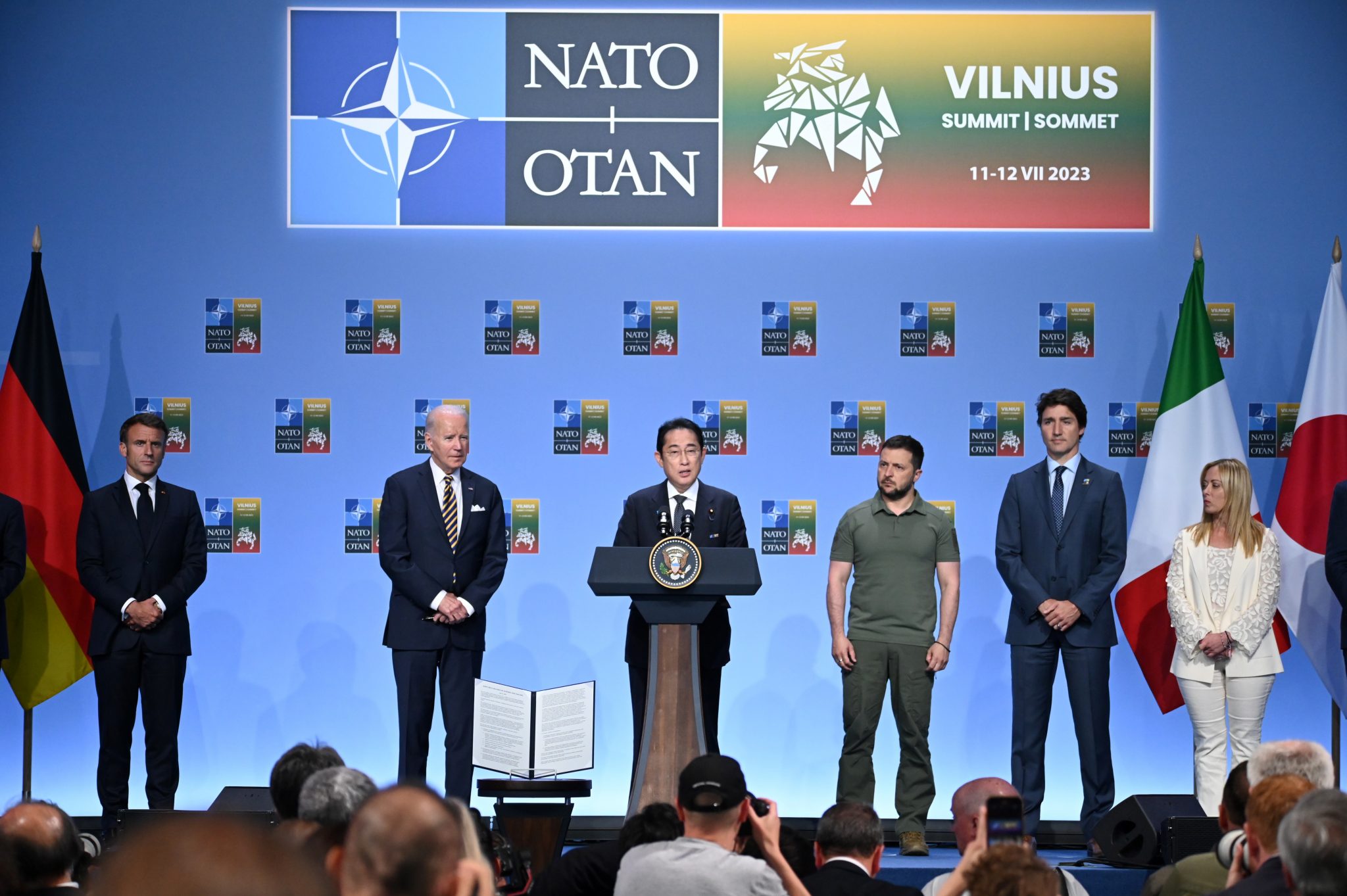
Crisis Management Strategies and Interventions
NATO employs comprehensive crisis management strategies to address diverse threats. Its interventions range from deploying rapid response forces to coordinating disaster relief efforts. Utilizing tools like the NATO Response Force and strategic airlift capabilities, NATO ensures timely and effective crisis responses, enhancing regional and global security.
Partnerships with Non-NATO Countries
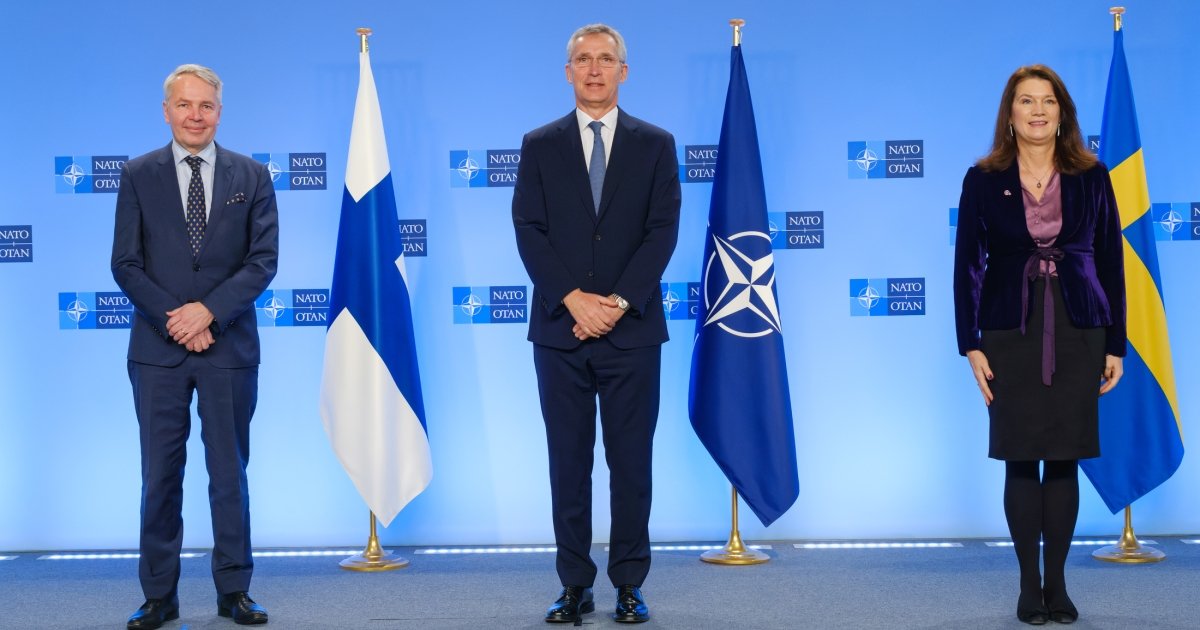
NATO fosters partnerships with non-NATO countries to strengthen global security. Through initiatives like the Partnership for Peace and Mediterranean Dialogue, NATO collaborates on defense reforms, training, and joint exercises. These partnerships extend NATO’s influence and enhance collective efforts in addressing common threats.

Partnerships with Non-NATO Countries
NATO fosters partnerships with non-NATO countries to strengthen global security. Through initiatives like the Partnership for Peace and Mediterranean Dialogue, NATO collaborates on defense reforms, training, and joint exercises. These partnerships extend NATO’s influence and enhance collective efforts in addressing common threats.
Collaboration with International Organizations
NATO collaborates with international organizations, such as the United Nations and the European Union, to address security challenges comprehensively. Joint efforts include peacekeeping, humanitarian missions, and counterterrorism initiatives. This collaboration ensures a unified approach, optimizing resources, and expertise to maintain global peace and security.

Future Outlook and Implications

Collaboration with International Organizations
NATO collaborates with international organizations, such as the United Nations and the European Union, to address security challenges comprehensively. Joint efforts include peacekeeping, humanitarian missions, and counterterrorism initiatives. This collaboration ensures a unified approach, optimizing resources, and expertise to maintain global peace and security.
Challenges and Opportunities for NATO
NATO faces challenges such as evolving security threats, member state cohesion, and geopolitical tensions. However, opportunities arise in technological advancements, expanded global partnerships, and enhancing collective defense mechanisms. Addressing these challenges while leveraging opportunities ensures NATO's continued relevance and effectiveness in global security.
Challenges and Opportunities for NATO
NATO faces challenges such as evolving security threats, member state cohesion, and geopolitical tensions. However, opportunities arise in technological advancements, expanded global partnerships, and enhancing collective defense mechanisms. Addressing these challenges while leveraging opportunities ensures NATO's continued relevance and effectiveness in global security.
The Future of NATO's Strategic Impacts and Relevance
The future of NATO's strategic impacts hinges on its adaptability. Embracing technological innovation, strengthening alliances, and addressing emerging threats will be crucial. By evolving with the global security landscape, NATO can maintain its relevance and continue to safeguard member nations and beyond.