
Overview of NATO Summit Meeting in Washington

Participants and Agenda of NATO Summit
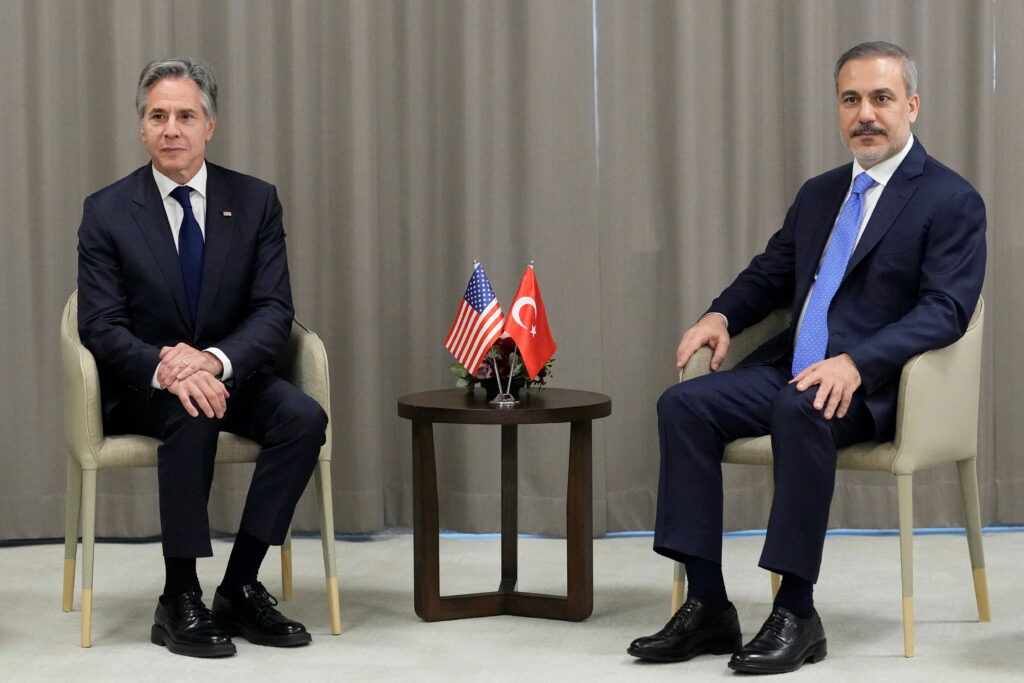
The NATO Summit began today in Washington, D.C., where leaders from all 31 member states are convening. This prestigious gathering includes key figures such as Secretary of State Blinken and high-ranking officials from various countries.
Agenda Highlights:
- Security Challenges: Current and emerging threats.
- Political Issues: Strengthening Alliance cohesion.
- Strategic Discussions: Future trajectories for NATO.
Additionally, the summit will emphasize collaboration with partner countries and organizations on a global scale, ensuring comprehensive discussions on the current and future challenges facing the Alliance.
Key Objectives and Discussions at NATO Summit
The NATO Summit in Washington, D.C. has a strategic agenda that addresses the evolving security landscape and political dynamics. Key objectives include:
- Collective Defense: Reinforcing Article 5 commitments.
- Strategic Capabilities: Modernizing military assets and technology.
- Counterterrorism: Strengthening global efforts against terrorism.
- Cybersecurity: Enhancing cyber defense measures.
Discussions will encompass the current and future challenges faced by the Alliance, with a strong focus on maintaining unity and collective security among the member states. The summit aims to navigate and address emerging geopolitical and security threats effectively.
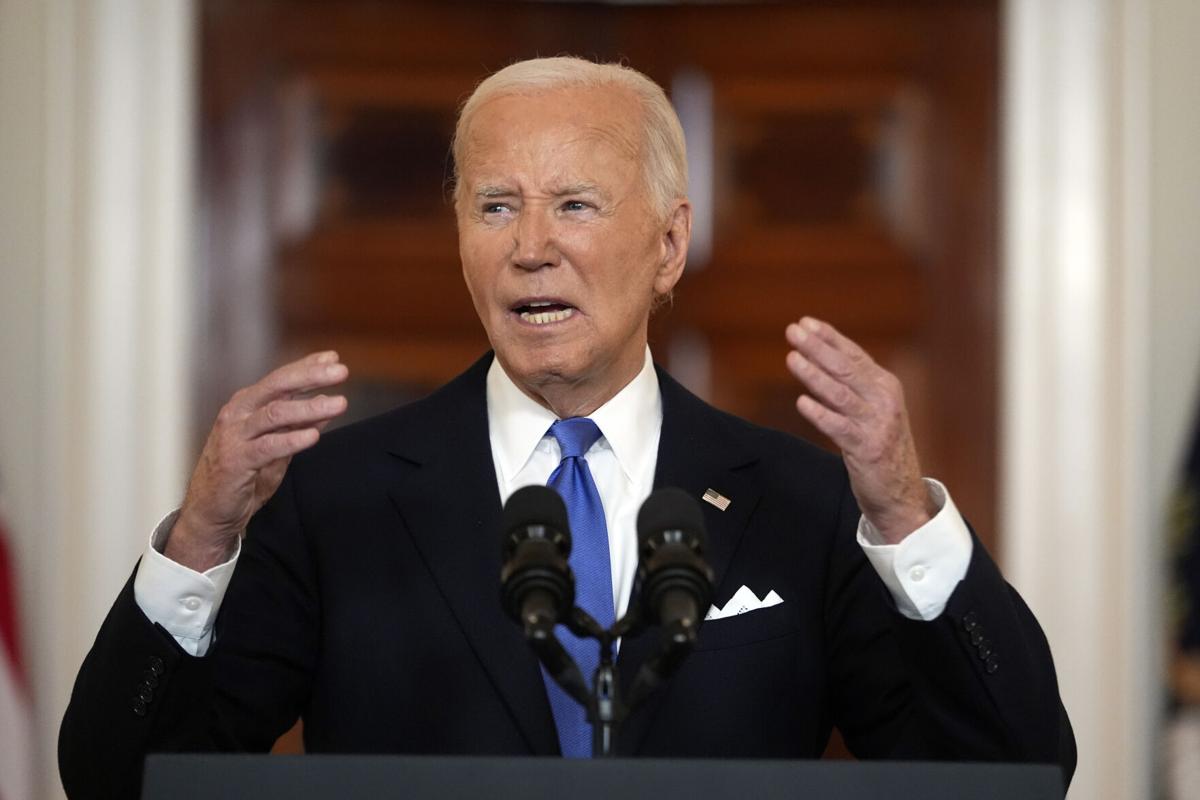
Strengthening Alliances and Partnerships

Commitments to Collective Defense and Security
Today, at the NATO Summit in Washington, D.C., reinforcing collective defense is a top priority. Leaders reaffirmed their unwavering support for Article 5, which states an attack on one member is an attack on all.
Key Commitments: - Increased Defense Spending: Ensuring all member states meet the 2% GDP defense budget target. - Enhanced Military Presence: Bolstering forces in strategic regions. - Rapid Response Capabilities: Improving readiness for immediate threats.
These initiatives underscore NATO's dedication to addressing current and future challenges, thus maintaining a robust and unified defensive posture.

Cooperation with Partner Countries and Organizations
At the NATO Summit in Washington, D.C., fostering stronger ties with partner countries and organizations is crucial. Leaders discussed strategies to enhance collaboration beyond member states, aiming to tackle global security issues effectively.
Key Areas of Cooperation: - Joint Military Exercises: Conducting coordinated drills with non-member allied forces. - Intelligence Sharing: Enhancing information exchange to prevent and mitigate threats. - Humanitarian Assistance: Partnering in disaster response and crisis management.
These efforts are integral to addressing the current and future challenges facing the Alliance, ensuring a unified and comprehensive approach to global security.
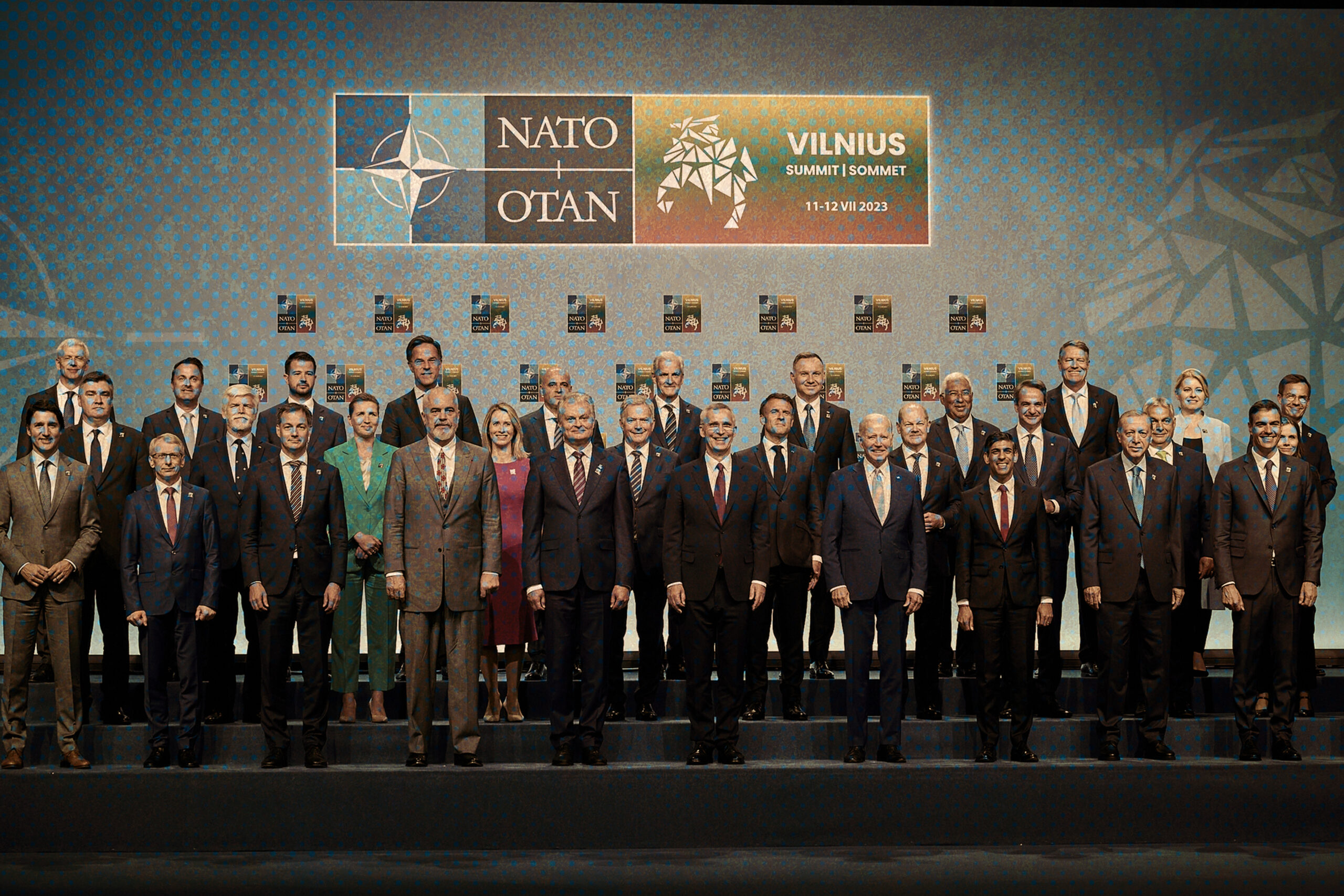
Modernizing NATO's Defense and Strategic Capabilities

Investment in Defense Technologies and Capabilities
As the NATO Summit commenced today in Washington, D.C., a significant focus was placed on advancing defense technologies and capabilities. Member states emphasized the need for cutting-edge solutions to counter evolving threats.
Investment Priorities: - Artificial Intelligence: Integrating AI for smarter defense systems. - Cyber Defense: Enhancing protection against cyber threats and attacks. - Advanced Weaponry: Developing next-generation weapons for superior combat readiness. - Space Capabilities: Strengthening space-based defense initiatives.
These investments are designed to ensure that NATO remains ahead of the curve, effectively addressing the current and future challenges of the Alliance.
Adaptation to Emerging Security Challenges and Threats
At today's NATO Summit in Washington, D.C., leaders emphasized the importance of adapting to emerging security challenges. The summit's discussions encompassed a range of potential threats aiming to update NATO's strategies and operations.
Key Focus Areas: - Hybrid Warfare: Addressing the complexities of combined conventional and unconventional tactics. - Cyber Threats: Strengthening defenses against increasing cyber attacks. - Regional Instabilities: Responding to geopolitical tensions in critical areas. - Climate Security: Assessing and mitigating security risks related to climate change.
These adaptations ensure NATO remains robust and responsive, effectively navigating the current and future challenges that face the Alliance today.

Addressing Global Security Issues
Counterterrorism and Cybersecurity Initiatives
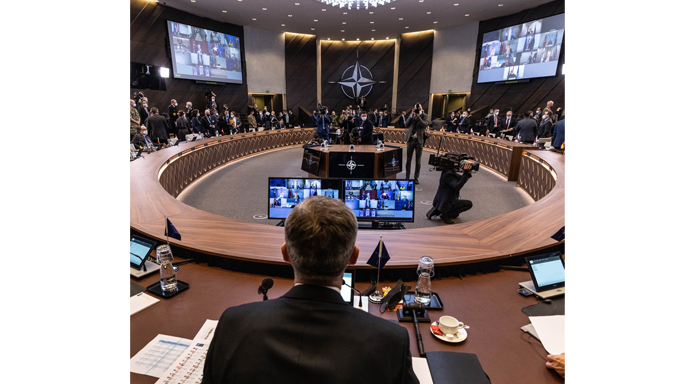
During the NATO Summit in Washington, D.C., leaders prioritized counterterrorism and cybersecurity initiatives. The summit tackled the urgency of addressing these pervasive threats, reflecting NATO's commitment to maintaining global security.
Initiatives Discussed: - Enhanced Intelligence Sharing: Strengthening collaboration on terror threat data among member states. - Cyber Defense Collaboration: Implementing robust cybersecurity frameworks and joint exercises. - Specialized Task Forces: Establishing rapid-response units for terrorism-related incidents. - Public-Private Partnerships: Engaging with tech companies to bolster cybersecurity measures.
These initiatives are critical for addressing the current and future challenges of the Alliance, ensuring comprehensive protection against terrorism and cyber threats.

NATO's Role in Promoting Peace and Stability in Different Regions
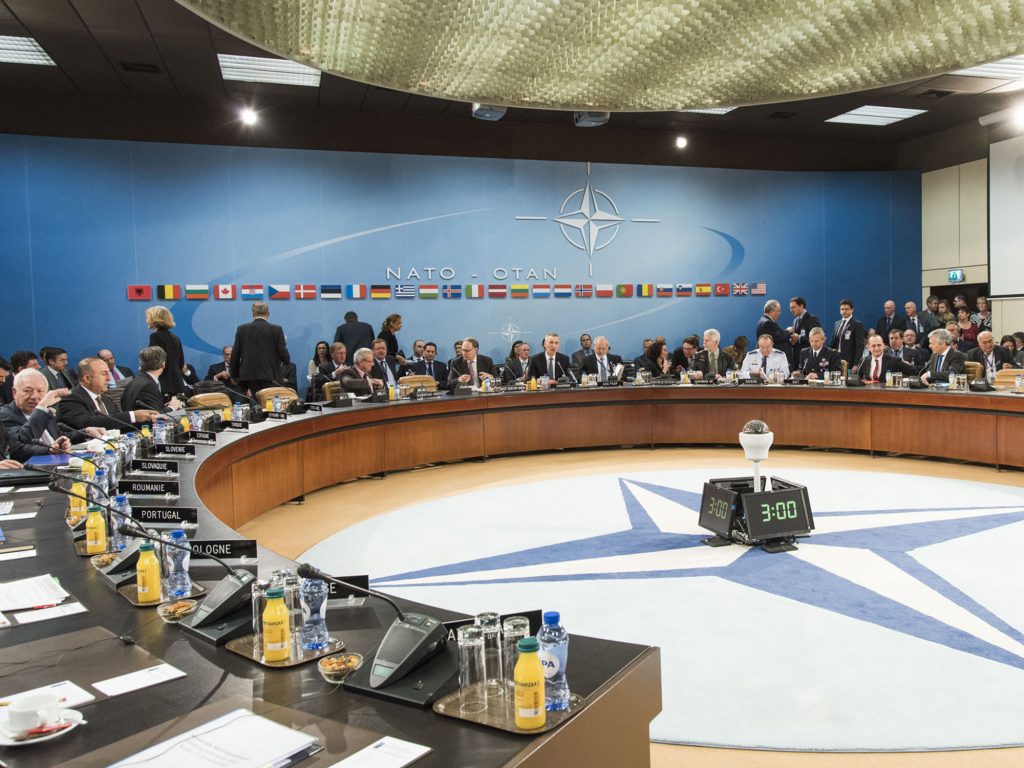
At the NATO Summit in Washington, D.C., leaders underlined NATO's ongoing commitment to promoting peace and stability globally. The Alliance actively engages in various regions to mitigate conflicts and support stability.
Key Contributions: - Peacekeeping Missions: Deploying troops to volatile regions to maintain order. - Training Programs: Enhancing the capabilities of local forces. - Diplomatic Efforts: Facilitating negotiations and conflict-resolution dialogues. - Humanitarian Aid: Providing emergency support in crisis regions.
These initiatives are vital for addressing the current and future challenges faced by the Alliance, ensuring NATO's effective role in fostering global peace and stability.
Promotion of Transatlantic Unity and Solidarity
Strengthening Relations between North America and Europe
Today’s NATO Summit in Washington, D.C., prominently highlights the strengthening of transatlantic relations. Leaders focused on reinforcing the bond between North America and Europe, crucial for the Alliance’s unity and effectiveness.
Strategic Efforts: - Unified Defense Policies: Harmonizing defense strategies and policies. - Economic Cooperation: Strengthening economic ties to support defense initiatives. - Joint Military Exercises: Conducting combined drills to enhance interoperability. - Policy Alignment: Ensuring cohesive political stances on global security issues.
These efforts are central to tackling the current and future challenges facing the Alliance, ensuring a robust and unified partnership between both continents.
Importance of Transatlantic Cooperation in Maintaining Global Security
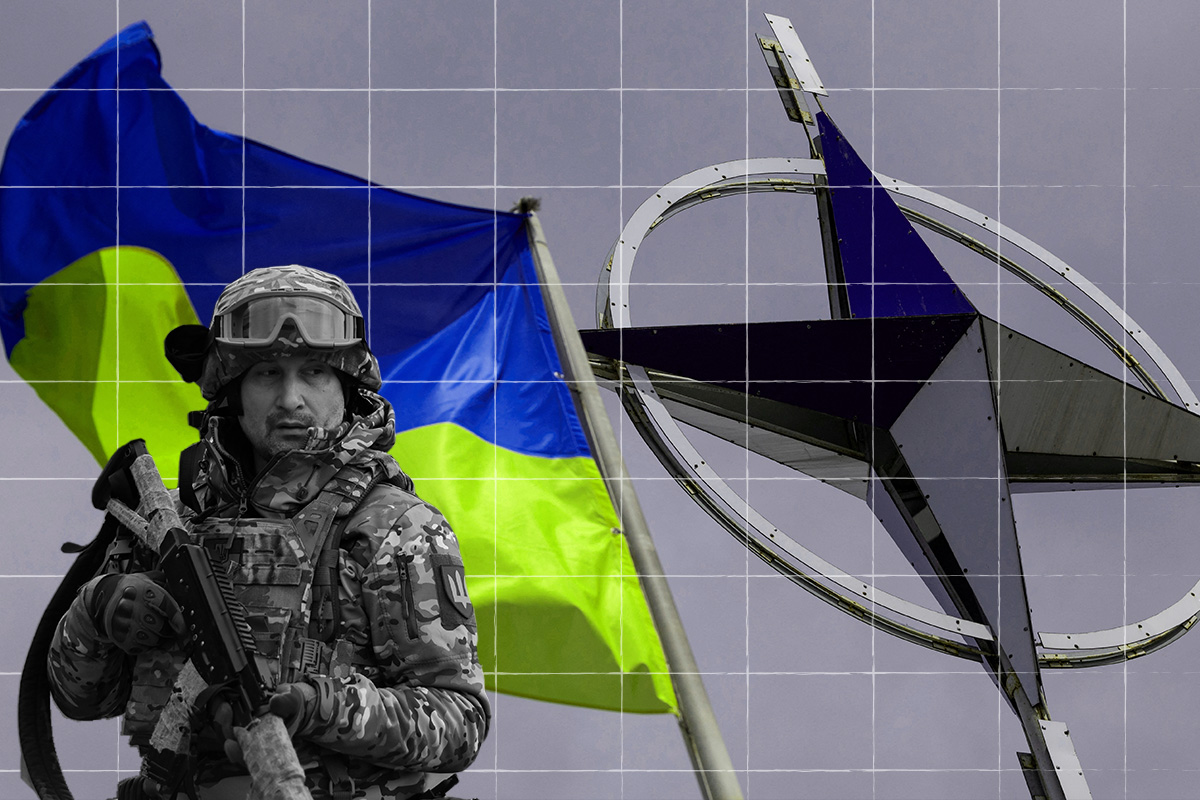
At the NATO Summit in Washington, D.C., leaders underscored the critical role of transatlantic cooperation in maintaining global security. Effective collaboration between North American and European members is essential to addressing comprehensive security issues.
Key Points: - Strategic Unity: Combining strengths for collective defense. - Shared Intelligence: Enhancing information exchange to counter threats. - Integrated Response: Coordinating efforts for rapid crisis response. - Global Leadership: Upholding democratic values and stability worldwide.
These facets of cooperation are vital for managing the current and future challenges the Alliance faces, ensuring a secure and stable international environment.
Conclusion and Next Steps

Summary of Key Takeaways from the NATO Summit
As the NATO Summit in Washington, D.C. concludes, several key takeaways highlight the Alliance’s future direction in addressing critical issues.
Key Takeaways: - Unified Defense Commitment: Reinforcement of Article 5 and investment in defense technologies. - Global Partnerships: Increased cooperation with partner countries and organizations. - Emerging Threats: Focused strategies on cybersecurity, counterterrorism, and hybrid warfare. - Peace and Stability: Continued efforts in peacekeeping and humanitarian support worldwide.
These points emphasize the collective efforts required to navigate the current and future challenges allying the Alliance toward a robust and secure future.
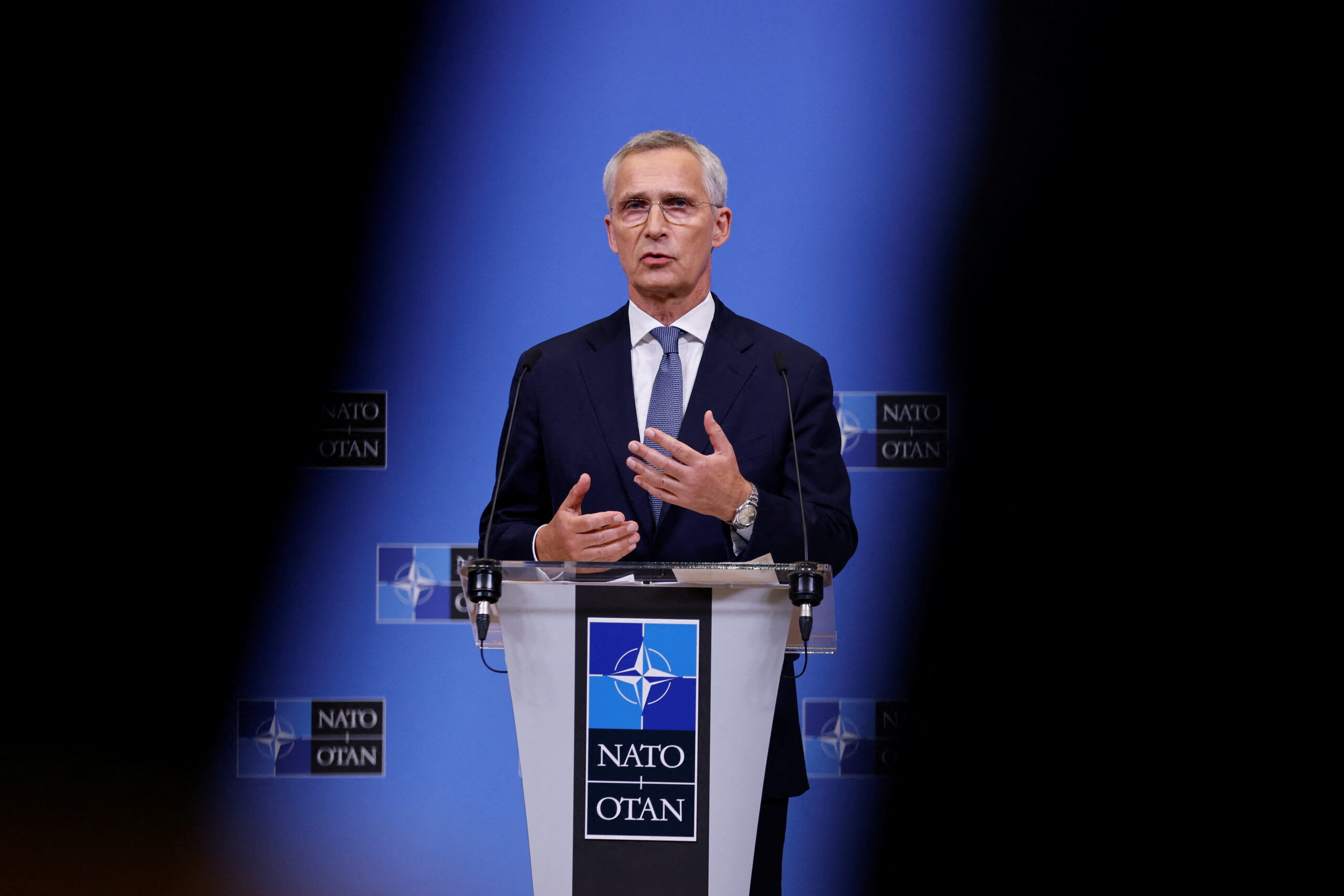
Future Plans and Initiatives for NATO's Continued Effectiveness
During the NATO Summit in Washington, D.C., leaders outlined several future plans to ensure the Alliance's continued effectiveness. Their strategy involves comprehensive updates and forward-thinking initiatives.
Future Plans: - Defense Innovation: Investing in cutting-edge technologies like artificial intelligence and hypersonics. - Expanding Partnerships: Strengthening ties with global allies and partner organizations. - Climate Security: Addressing security implications of climate change. - Youth Engagement: Launching programs like NATO 2030 Youth Leaders.
These initiatives are instrumental for NATO in addressing current and future challenges, ensuring the Alliance remains adaptive and resilient against evolving threats.