Introduction
Overview of Netanyahu's defense of Gaza war
In recent months, Israeli Prime Minister Benjamin Netanyahu has found himself at the center of international scrutiny following the escalation of the Israel-Palestine war. During a highly anticipated address to the US Congress, Netanyahu defended Israel's military actions in Gaza, articulating that the offensive is a necessary response to ongoing threats from Hamas.
- Key Points of Defense:
- Emphasized Israel's right to self-defense.
- Highlighted Hamas's role as a terrorist organization.
- Cited the need to protect Israeli civilians from rocket attacks.
Netanyahu’s argument aimed to rally support from the American government and its citizens, reinforcing his commitment to national security.
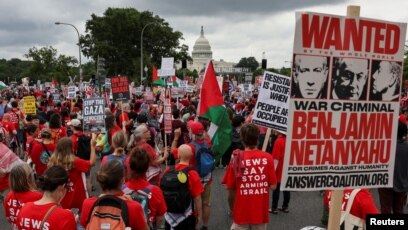
Description of protesters rallying outside US Congress
In stark contrast, protests erupted outside the US Congress as demonstrators expressed their opposition to Netanyahu's policies.
- Protest Details:
- Thousands of activists called for an end to military actions in Gaza.
- The protests included both pro-Palestinian supporters and human rights advocates.
These gatherings represented a significant ripple of dissent, reflecting the growing divide in public opinion regarding the conflict.

Netanyahu's Justification for Gaza War
Netanyahu's reasoning behind the military actions in Gaza
As tensions escalated in the Israel-Palestine conflict, Prime Minister Netanyahu articulated a firm rationale for the military actions undertaken in Gaza. He argued that the offensive was not only a response to Hamas's unrelenting rocket fire but also an essential measure to ensure Israel’s long-term security.
- Core Reasons for Military Action:
- Self-Defense: Netanyahu stressed Israel's inherent right to protect its citizens from imminent threats.
- Destruction of Terror Infrastructure: He claimed that striking Gaza was vital to dismantle Hamas's military capabilities.
By framing the military actions in this manner, Netanyahu sought to justify the offensive as a necessary and morally sound decision.
Response to criticisms and accusations
In light of mounting criticism from various quarters, Netanyahu faced accusations of disproportionate force and civilian casualties.
- Addressing the Criticism:
- He asserted that every effort is made to minimize civilian harm.
- Netanyahu reiterated that Hamas uses civilians as shields, complicating military operations.
Through these arguments, he aimed to counter the narrative portraying Israel as the aggressor in the ongoing conflict.

Protests Outside US Congress
Reasons for the protests against Netanyahu's actions
The protests outside the US Congress stemmed from widespread discontent regarding Netanyahu's military actions in Gaza. Activists gathered to voice their concerns over the humanitarian crisis and the high civilian casualty rates resulting from the conflict.
- Key Reasons for Protest:
- Humanitarian Concerns: Many protesters highlighted the suffering of innocent Palestinian civilians.
- Calls for Accountability: Activists demanded transparency and accountability for actions taken by the Israeli government.
- Opposition to Military Aid: Some groups argued against continued US support for Israel’s military operations.
These factors contributed to a significant outcry, amplifying calls for a reevaluation of US foreign policy.
Impact of the protests on policymakers and public opinion
The protests exerted pressure on American policymakers to reconsider their stance toward Israeli actions.
- Influence on Policymakers:
- Increased dialogue among legislators about the implications of unconditional support for Israel.
- Some lawmakers began to express dissent regarding military aid.
Public opinion also shifted, with growing empathy for Palestinians, which suggests that activism can indeed affect governmental approaches to foreign policy. As the situation continues to develop, these protests may play a crucial role in shaping future discourse.

International Reactions and Diplomacy
Global response to the Gaza conflict and Netanyahu's defense
The Gaza conflict has drawn widespread international attention, with reactions varying significantly across the globe. Many countries and international organizations have expressed concern regarding the humanitarian crisis, while others have shown support for Israel's right to defend itself.
- Key Global Responses:
- Calls for Restraint: Nations such as Turkey and Qatar urged Israel to cease its military operations.
- Support for Israel: The US government reiterated its commitment to Israel’s security, aligning with Netanyahu's defense of military actions.
- Human Rights Organizations: Many groups condemned the violence, highlighting the humanitarian plight of civilians in Gaza.
This complex interplay has illustrated the tensions underlying international diplomacy within the context of the Israel-Palestine conflict.
Efforts to promote peace and negotiate a ceasefire
Amid escalating violence, several diplomatic efforts emerged to promote peace and negotiate a ceasefire.
- International Initiatives:
- UN Mediation Efforts: The United Nations called for immediate ceasefire discussions to halt hostilities.
- Regional Collaborations: Countries in the Arab League expressed their willingness to mediate negotiations between Israel and Palestine.
These diplomatic overtures reflect an urgent need for dialogue to stabilize the region, showcasing the interconnectedness of global politics and local conflict resolution.

Media Coverage and Public Opinion
Coverage of the conflict in the media
The media has played a pivotal role in shaping narratives around the Gaza conflict, with coverage reflecting diverse perspectives. Major news outlets have provided extensive reporting on the humanitarian crisis, military actions, and political implications.
- Key Aspects of Coverage:
- Visual Reporting: Graphic images of destruction and civilian casualties have brought the humanitarian crisis to the forefront.
- Analytical Pieces: Many analysts have dissected Netanyahu’s statements, questioning the legitimacy and morality of military actions.
- Diverse Perspectives: Opinion pieces often highlight both pro-Israel and pro-Palestinian viewpoints, contributing to a complex public discourse.
This multifaceted coverage has significantly influenced how audiences perceive the situation.
Public perception of Netanyahu's defense and the protests
Public opinion regarding Netanyahu's defense of military actions and the ongoing protests has become polarized.
- Shifting Sentiments:
- Some segments of the population continue to support Netanyahu’s approach, emphasizing national security.
- Conversely, increased sympathy for Palestinian victims has emerged through the protests, reflecting a desire for change.
This complex landscape of public perception illustrates the increasing demand for accountability and humanitarian consideration amidst ongoing conflict, showcasing the profound impact of media coverage on societal views.

Conclusion
Summary of key points discussed
The ongoing conflict in Gaza has sparked significant international debate and controversy surrounding Israeli Prime Minister Benjamin Netanyahu's military actions. This article has highlighted several critical elements:
- Netanyahu's Justification: He defended the military operations as necessary for Israel’s security and responded to accusations of disproportionate force.
- Protests in the US: Demonstrators gathered outside Congress, advocating for Palestinian rights and revealing public dissent against current U.S. foreign policy.
- International Reactions: Global responses varied, with some nations urging restraint while others supported Israel, underscoring the complexity of international diplomacy.
- Media Coverage: Diverse viewpoints in media reporting have influenced public perception and the evolving national discourse surrounding the conflict.
Final thoughts on the controversy surrounding Netanyahu's defense of the Gaza war and the protests outside the US Congress
The controversy surrounding Netanyahu's defense and the resulting protests reflects deep-seated divisions in public opinion on the Israel-Palestine conflict. As societal concern for humanitarian issues intensifies, the future of diplomatic relations and policy-making remains uncertain. The continuing dialogue is crucial for fostering understanding and promoting long-term peace in the region.