
Introduction
Overview of Tesla's rise to prominence
Tesla, founded in 2003, emerged as a disruptor in the automotive industry by innovating electric vehicles (EVs) that combined sustainability with high performance. Its flagship Model S set new standards, captivating consumers and investors alike. Key milestones in Tesla's ascendance include: - Launch of the Model S in 2012, which received widespread acclaim. - Expansion of the supercharger network, enhancing convenience for EV users. - Successful entry into the global market, solidifying its footprint in Europe and Asia.
Challenges faced by Tesla in recent times
Despite its remarkable success, Tesla now faces several pressing challenges that threaten its growth trajectory. Recent financial struggles have surfaced, exacerbated by production delays and increased competition. In addition, quality control and safety issues have led to scrutiny and recalls, raising concerns among consumers. As Tesla navigates these turbulent waters, its future strategies will be crucial in maintaining its reputation as a leader in the EV market.

Financial Struggles
Tesla's declining financial performance
Tesla's recent reports indicate a concerning trend of declining financial performance. Following an impressive growth phase, the company's profits have experienced significant declines, which have shaken investor confidence. Key factors include: - Sluggish sales: A reduced appetite for EVs has impacted revenue. - Stock volatility: Tesla shares have sharply dropped, raising questions about its market valuation.
Impact of production delays and cost overrun
Production delays and cost overruns have further exacerbated Tesla's financial woes. New product launches have faced setbacks, leading to:
- Increased operational costs: Delays drive up expenses, squeezing margins.
- Missed sales targets: Slower production hampers the ability to meet consumer demand, impacting revenue.
As Tesla grapples with these financial challenges, addressing these operational inefficiencies becomes paramount for restoring its growth momentum.
Quality Control Issues
Concerns over Tesla's product quality
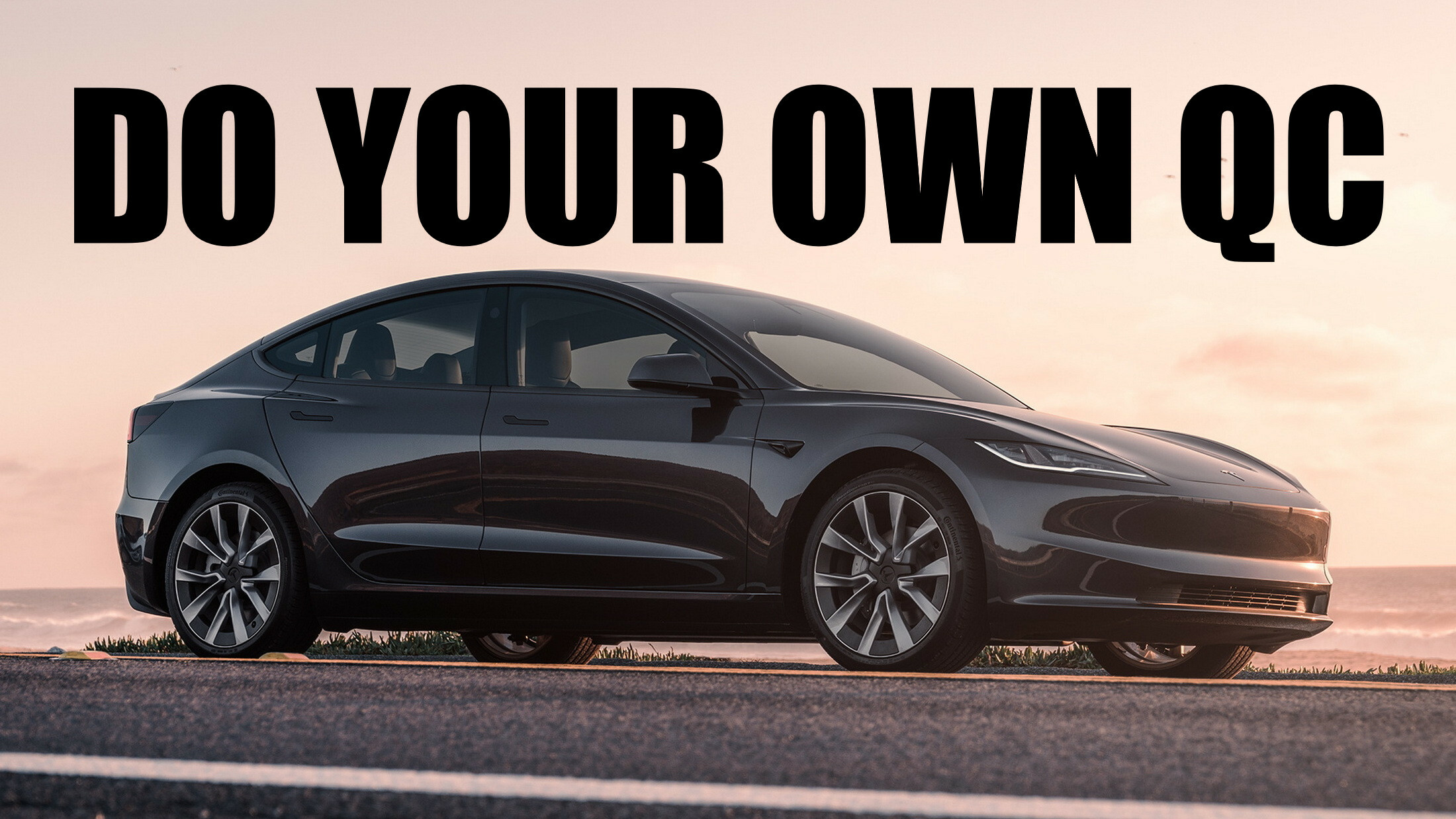
Amidst its financial struggles, Tesla faces increasing scrutiny over product quality. Several customers have reported issues ranging from minor cosmetic defects to more serious concerns affecting vehicle performance. These quality concerns include: - Paint imperfections: Reports of substandard paint jobs on new vehicles. - Interior fit and finish: Complaints concerning gaps and alignments in cabin materials.
Recalls and safety-related controversies
Adding to its challenges, Tesla has been involved in several high-profile recalls, which have raised safety-related concerns among consumers and regulators. Noteworthy incidents include:
- Autopilot functionality: Investigations into the safety of Tesla's autonomous features.
- Recall statistics: A significant number of vehicles recalled for potential defects.
These issues not only strain consumer trust but also raise questions about Tesla's commitment to quality and safety as it navigates an increasingly competitive landscape.

Leadership Controversies
Analysis of leadership changes within Tesla
Tesla’s leadership has undergone notable changes, drawing attention amid the company's challenges. These shifts can create instability and affect investor confidence. Key leadership developments include: - Executive turnover: A high rate of departure among key executives has raised concerns about strategic direction. - Succession planning: Questions linger about the clarity of leadership roles and responsibilities.
Elon Musk's influence on Tesla's image and decision-making
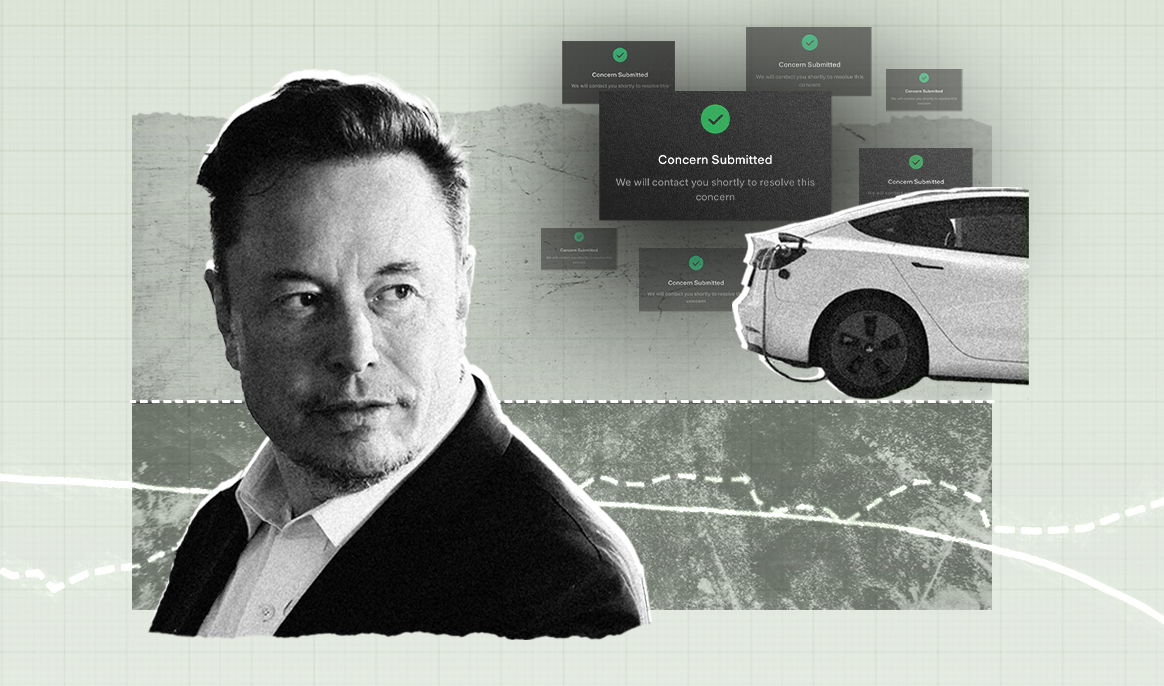
Elon Musk, as a visionary leader, plays a critical role in shaping Tesla's identity and decisions. His presence is a double-edged sword:
- Brand magnetism: Musk’s public persona attracts attention, driving sales and stock interest.
- Controversial statements: His unpredictable behavior on social media can impact stock prices and public perception.
As Tesla navigates these leadership controversies, the balance between innovation and stability will be crucial for its continued success.

Competition and Market Dynamics
Challenges posed by traditional automakers and new tech entrants
As Tesla strives to maintain its dominance in the electric vehicle (EV) market, it faces fierce competition from both established automotive giants and emerging tech startups. Traditional automakers are investing heavily in EV technology, which intensifies the competitive landscape. Key challenges include: - Increased innovation: Major brands are rolling out new EV models with advanced features, narrowing Tesla's technological edge. - Market share erosion: As more players enter the market, Tesla risks losing its status as the leading EV manufacturer.
Tesla's position in the electric vehicle market
Despite these challenges, Tesla still holds a strong position within the EV sector. With a significant portion of the market share, its brand recognition remains robust. Notable strengths include: - Supercharger network: A proprietary charging infrastructure that enhances user convenience. - Loyal customer base: Brand loyalty that continues to drive sales in a competitive marketplace. Navigating this dynamic environment is essential for Tesla to sustain its market leadership.
Innovation and Future Prospects
Critique of Tesla's innovation strategies
Tesla has long been hailed for its groundbreaking innovations in the electric vehicle sector. However, its strategies have recently come under scrutiny. Key critiques include: - Overreliance on hype: Some argue Tesla prioritizes marketing buzz over consistent product execution. - Slow rollout of new models: While promising cutting-edge technologies, delays in delivering promised features, such as Full Self-Driving (FSD), have disappointed stakeholders.
Future outlook for Tesla in the tech industry
Despite these critiques, Tesla's future prospects in the tech industry remain promising. Several factors will influence its trajectory:
- Sustainable energy expansion: Investing in solar and battery storage markets broadens its business scope.
- Advancements in AI: Continued innovations in autonomous driving technology could set new industry standards.
By addressing current concerns and leveraging its strengths, Tesla can solidify its position as a leader in both the automotive and tech sectors.
Conclusion
Assessment of Tesla's current standing in the tech industry
As Tesla navigates a complex landscape defined by financial struggles, quality concerns, and heightened competition, its current standing in the tech industry is under intense scrutiny. While it remains a front-runner in electric vehicles, the challenges faced have prompted calls for introspection and strategic realignment. Key aspects of Tesla's standing include: - Strong brand recognition: Despite setbacks, Tesla retains a loyal customer base and significant market presence. - Innovation potential: Its commitments to enhancing EV technology and sustainable energy solutions are noteworthy.
Key takeaways from Tesla's troubles
Tesla’s journey offers critical lessons for the industry: - Importance of quality assurance: Maintaining product integrity is crucial for retaining consumer trust. - Adaptability in competition: Embracing change and innovation is vital to stay ahead in an evolving market. By addressing these challenges, Tesla can pave the way for a resilient future in both the tech and automotive sectors.