
Background of the Conflict in Sudan
History of Conflicts in Sudan
The history of conflicts in Sudan is both long and complex, characterized by a series of violent and turbulent events. Sudan has experienced several civil wars, with the most notable ones occurring in 1955-1972 and 1983-2005.
First Civil War (1955-1972)
The First Sudanese Civil War began even before Sudan gained its independence from Britain and Egypt in 1956. It primarily involved southern Sudanese rebels fighting for greater autonomy from the northern-based government. The war officially ended with the Addis Ababa Agreement in 1972, promising the south considerable autonomy.
Second Civil War (1983-2005)
The Second Sudanese Civil War reignited due to disputes over religion, oil, and governance. It pitted the Sudan People’s Liberation Army (SPLA) against the Sudanese government and resulted in the deaths of approximately 2 million people. The conflict ended with the Comprehensive Peace Agreement in 2005, eventually leading to the secession of South Sudan in 2011.
Darfur Conflict
In 2003, the Darfur region became an epicenter of conflict when two rebel groups began fighting the government, accusing it of oppression and neglect. The conflict led to widespread atrocities, including genocide, resulting in significant international condemnation and humanitarian intervention.
The violent history of Sudan is a testament to the deep-rooted ethnic, religious, and political divisions that continue to pose significant challenges to peace and stability in the region.
Key Players and Groups Involved in the Current Escalation
The ongoing conflict in Sudan involves a myriad of key players and groups, each contributing to the increasing violence and instability.
Transitional Military Council (TMC)
The Transitional Military Council initially seized power following the overthrow of long-time dictator Omar al-Bashir in April 2019. The TMC sought to maintain military dominance in governance, leading to confrontations with civilian factions.
Rapid Support Forces (RSF)
The Rapid Support Forces (RSF), a powerful paramilitary group, emerged from the infamous Janjaweed militias. Led by Mohamed Hamdan Dagalo (Hemetti), the RSF has been central to the recent violence, often clashing with other military factions and civilians accusing them of severe human rights abuses.
Sudanese Armed Forces (SAF)
The Sudanese Armed Forces (SAF), representing the official military body of Sudan, have frequently been at odds with the RSF. Power struggles between the SAF and RSF have intensified, contributing to the escalation of violence.
Civilian Pro-Democracy Groups
Civilian pro-democracy groups and factions, including the Forces for Freedom and Change (FFC), have been advocating for a civilian-led government. They have often found themselves at the center of violent crackdowns by military and paramilitary groups.
The complex interplay between these key players underscores the fragile and volatile nature of Sudan's current conflict, underscoring the urgent need for comprehensive peace-building efforts.

Recent Escalation of Violence

Overview of the Recent Clashes and Attacks
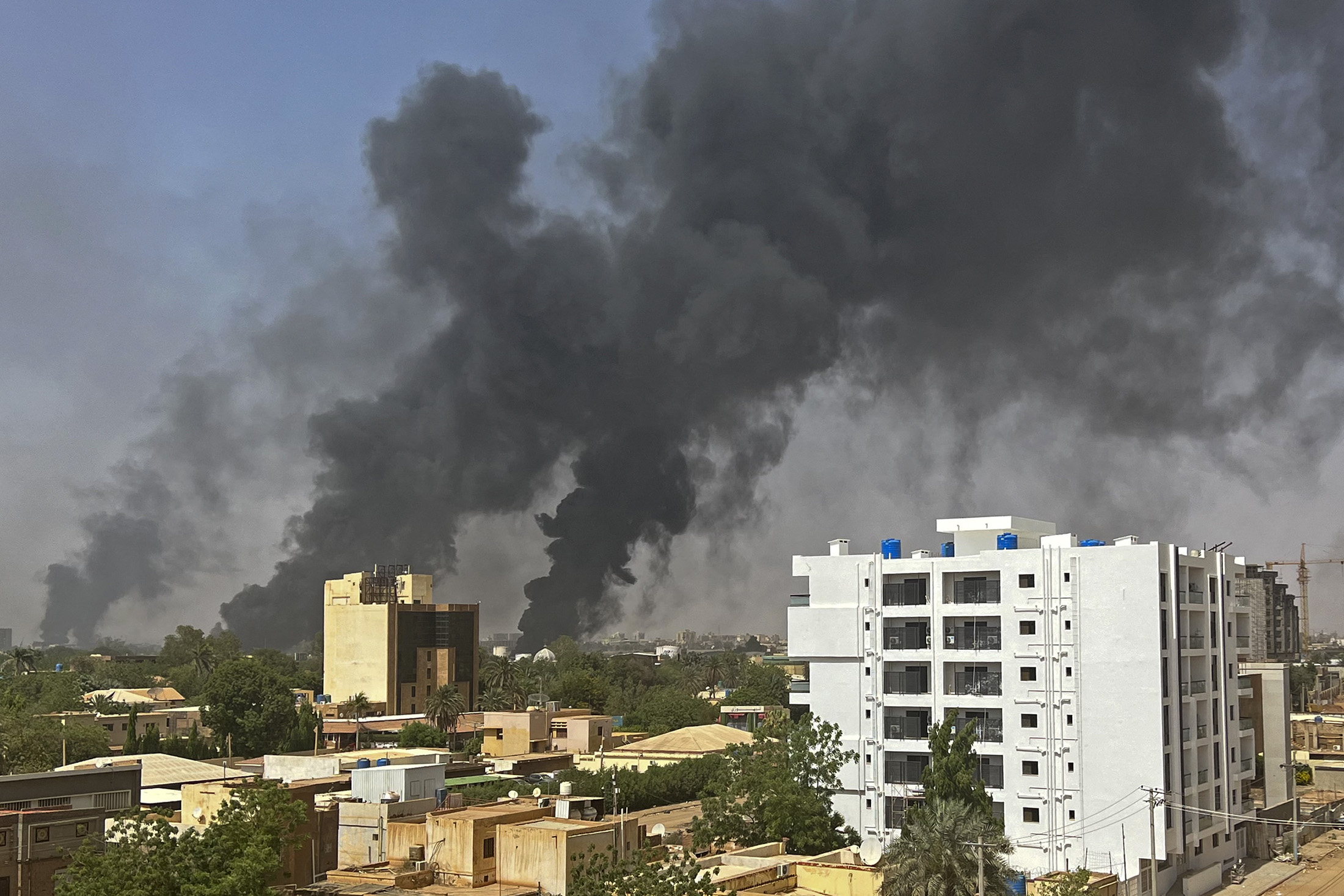
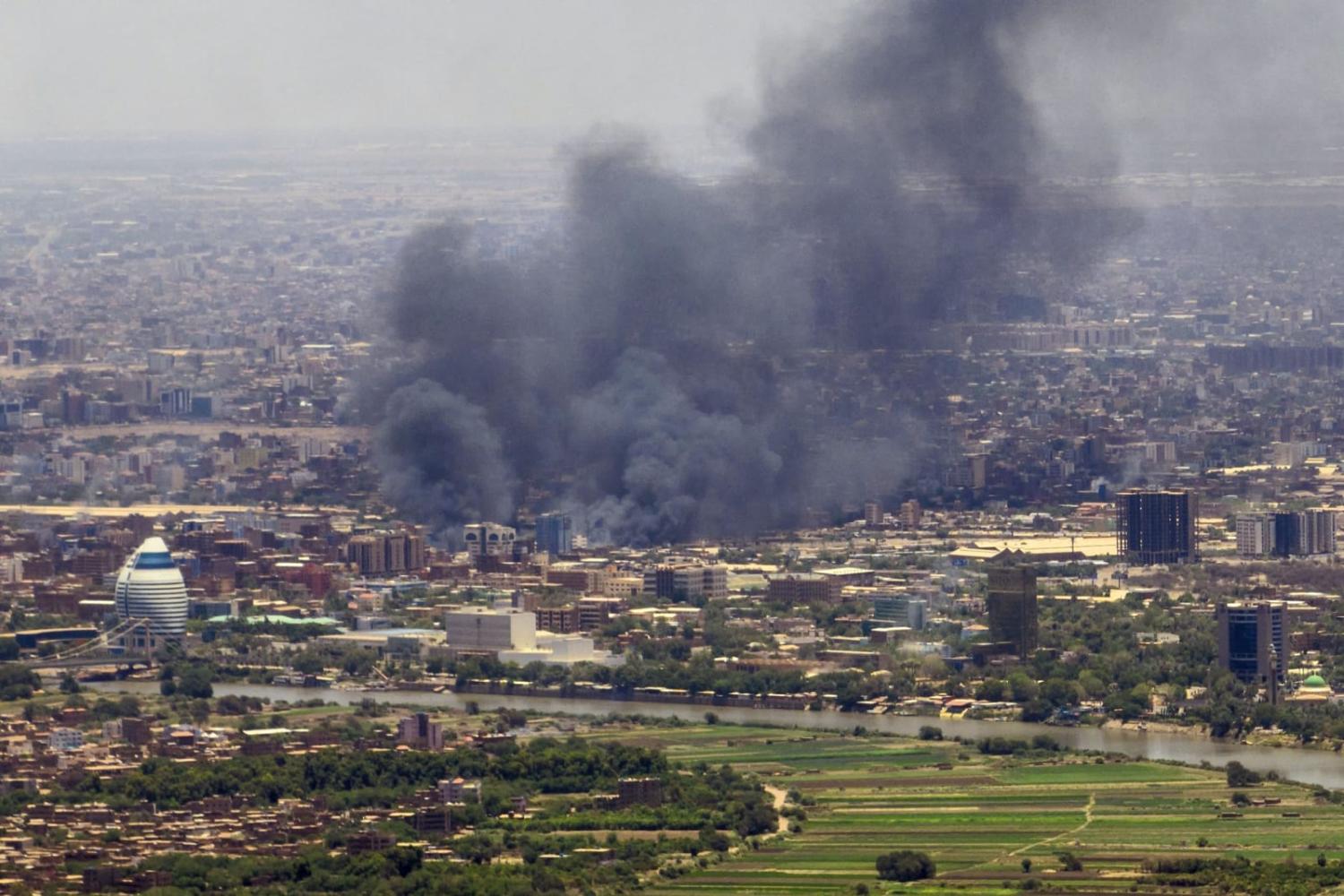
Recent clashes and attacks in Sudan have led to heightened violence and instability, significantly impacting civilians and infrastructure.
Key Events
- April 2023, marked by an escalation of violence as battles erupted between the Sudanese Armed Forces (SAF) and the Rapid Support Forces (RSF). These clashes centered around control of strategic locations in the capital, Khartoum, and other key cities like Omdurman.
- June 2023, saw an intensification of armed conflicts across multiple regions, with both sides attempting to gain territorial dominance. The RSF, led by Mohamed Hamdan Dagalo (Hemetti), launched coordinated attacks on SAF camps, leading to heavy casualties.
Civilian Impact
- Numerous civilian areas have faced indiscriminate shelling and airstrikes, resulting in significant loss of life and injuries. According to recent UN reports, over 1,200 civilians have been killed, and thousands more injured.
- Essential services such as hospitals, schools, and markets have been heavily disrupted. In May 2023, Doctors Without Borders reported that more than 80% of hospitals in Khartoum were non-functional due to the fighting.
Humanitarian Crisis
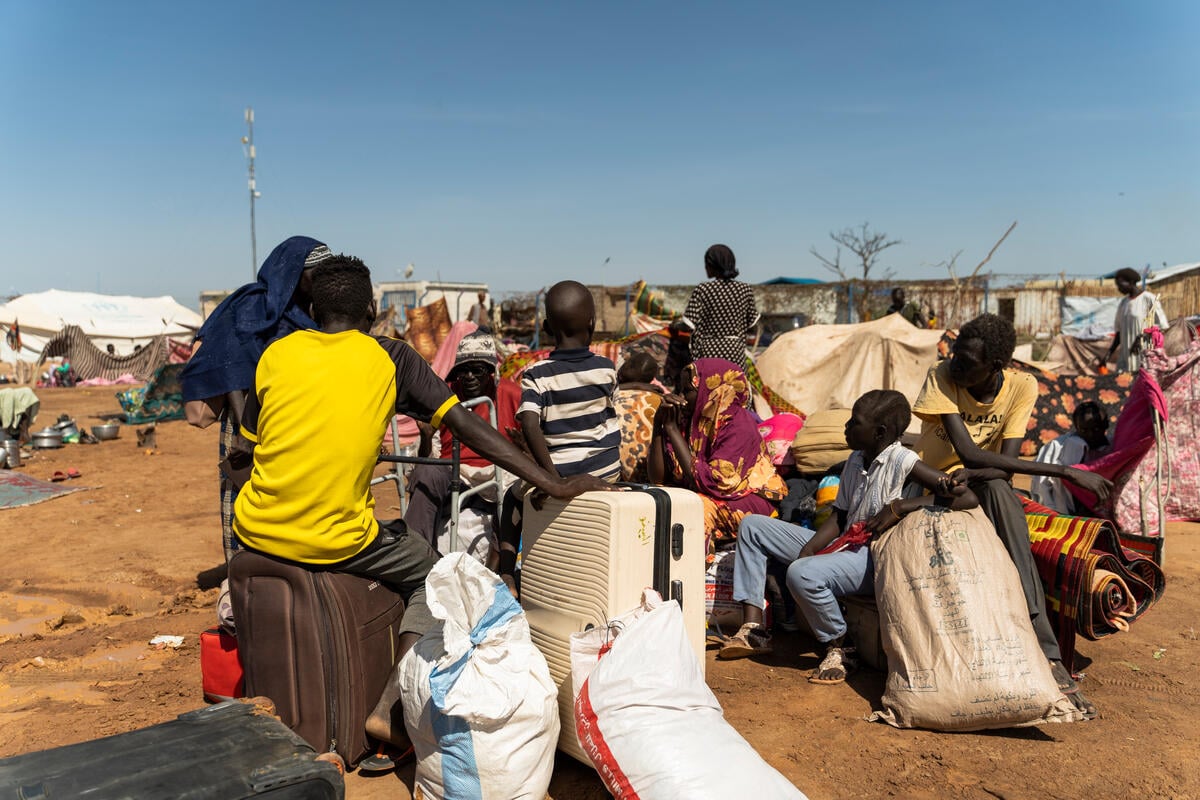
- The conflict has precipitated a severe humanitarian crisis, with over 2 million individuals displaced internally and thousands seeking refuge in neighboring countries like Chad and South Sudan.
The escalating violence and its profound humanitarian impacts necessitate urgent international attention and action to prevent further deterioration of the situation in Sudan.
Impact on Civilians and Humanitarian Crisis
The recent escalation of violence in Sudan has had a devastating impact on civilians, leading to an urgent humanitarian crisis.
Civilian Casualties
The civilian population has borne the brunt of the conflict with an alarming increase in casualties. As of mid-2023, the UN estimates over 1,200 civilian deaths and thousands more injured due to indiscriminate attacks and shelling. Residential areas have become battlegrounds, putting countless families at risk.
Displacement and Refugees
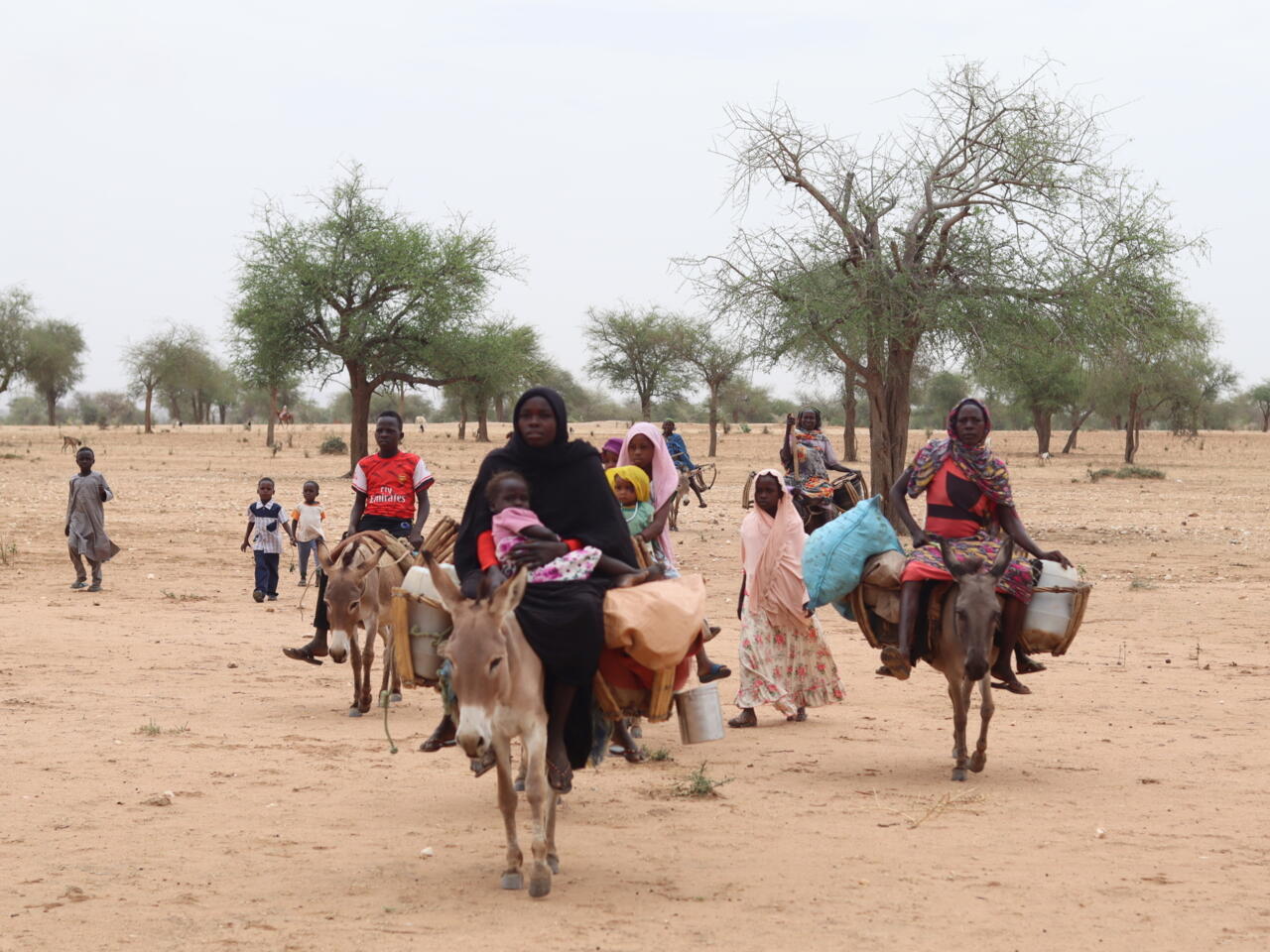
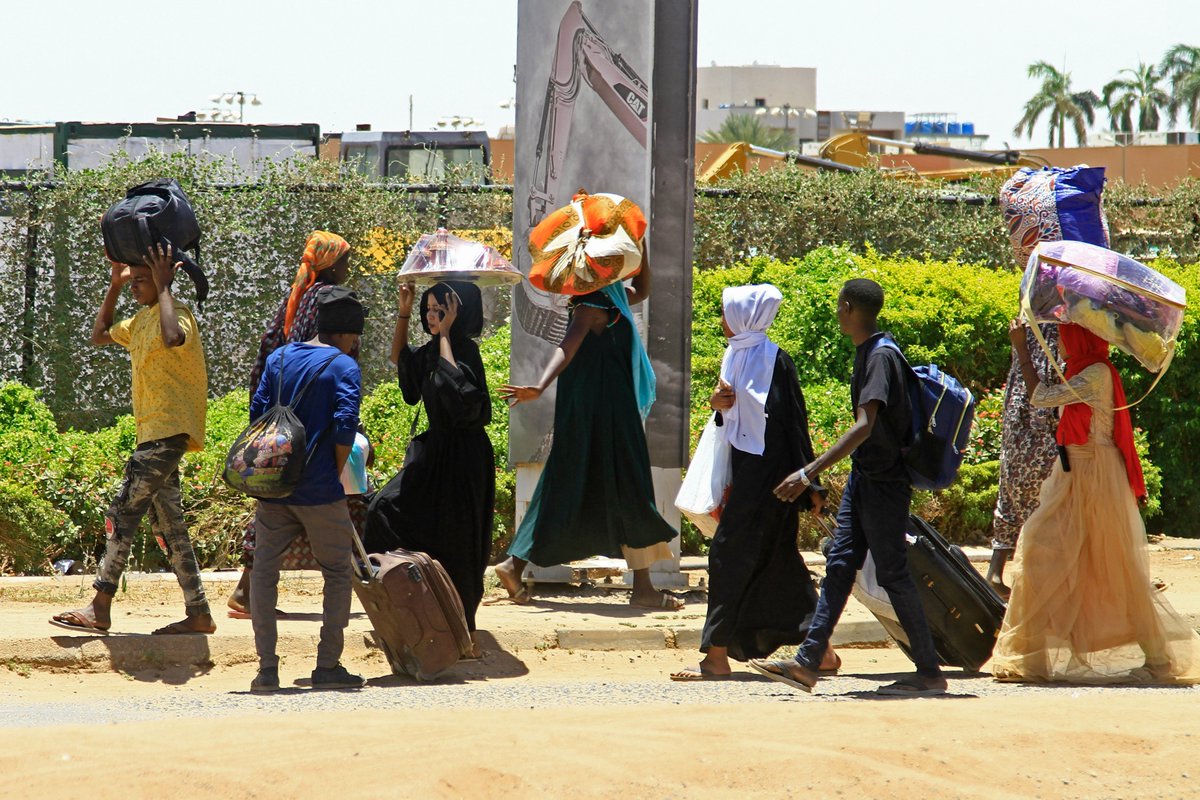
The violence has forced over 2 million people to flee their homes, seeking safety within Sudan and in neighboring countries like Chad and South Sudan. Refugee camps are overwhelmed, struggling to provide basic necessities such as food, water, and medical care.
| Country | Civilians displaced |
|---|---|
| Sudan (Internal) | 1.5 million |
| Chad | 300,000 |
| South Sudan | 200,000 |
Infrastructure Damage
Essential services and infrastructure have been severely affected. Hospitals, schools, and water facilities in conflict zones, especially in Khartoum and Darfur, have been targeted or inadvertently damaged, amplifying the suffering of the civilian population.
Aid and Support Needs
Aid organizations report an acute shortage of resources to handle the growing crisis. According to Doctors Without Borders, supplies of medicine, food, and clean water are critically low, and access to those in need is often hindered by ongoing clashes.
The humanitarian crisis in Sudan underscores the urgent need for international support and robust peacekeeping efforts to alleviate the suffering and restore stability.

International Response and Involvement

Role of International Organizations and Peacekeeping Missions
United Nations (UN) Peacekeeping
The United Nations has been instrumental in addressing the conflict in Sudan. The United Nations Integrated Transition Assistance Mission in Sudan (UNITAMS) was established in 2020 to assist with political transition, peacebuilding, and protection of human rights. However, the recent outbreak of violence has strained its capabilities and resources.
African Union (AU) Initiatives
The African Union has actively engaged in mediation efforts. The African Union-United Nations Hybrid Operation in Darfur (UNAMID), although recently concluded, played a significant role in overseeing peace processes in the Darfur region. The AU continues to hold talks with key stakeholders, aiming to broker a ceasefire and sustainable peace agreement.
Humanitarian Aid and NGOs
Numerous international non-governmental organizations (NGOs), such as Doctors Without Borders (MSF), the International Red Cross, and the World Food Programme (WFP), are providing critical humanitarian assistance. These organizations have been working tirelessly to deliver food, medical supplies, and shelter to displaced populations despite the challenging and dangerous environment.
Challenges and Limitations
- Access issues due to ongoing fighting, restrict humanitarian aid delivery to affected areas.
- Safety concerns for peacekeepers and aid workers, hinder effective mission deployment.
- Resource constraints, limit the scope and impact of international efforts.
International organizations and peacekeeping missions continue to play a crucial role in mitigating the humanitarian impact of the Sudan conflict and striving towards conflict resolution, although they face significant challenges in the current volatile environment.

Diplomatic Efforts to De-escalate the Conflict
Regional Mediation
Diplomatic efforts to de-escalate the conflict in Sudan have seen significant involvement from regional bodies. The African Union (AU) has spearheaded multiple negotiations, aiming to bring the warring factions to the table. In May 2023, the AU hosted high-level talks in Addis Ababa, striving to mediate a ceasefire agreement.
Arab League and IGAD
The Arab League and the Intergovernmental Authority on Development (IGAD) have also played essential roles in fostering dialogue. Both organizations have called for immediate cessation of hostilities and facilitated discussions between the leaders of the Sudanese Armed Forces (SAF) and the Rapid Support Forces (RSF).
International Involvement
Global powers, including the United States, the European Union, and the United Nations, have exerted diplomatic pressure to halt the violence. In April 2023, the UN Security Council issued a unanimous resolution urging all parties to pursue peaceful negotiations and respect international humanitarian laws.
Challenges to Diplomacy
- Deep-seated distrust between rival groups, posing significant barriers to successful negotiations.
- Recurrent violations of ceasefires, as documented by international monitors, making sustained peace elusive.
- Complex political dynamics, with numerous local and international stakeholders involved.
Despite these challenges, diplomatic efforts continue unabated, with hopes pinned on achieving a durable peace. The international community remains committed, recognizing that sustained diplomatic pressure and support are vital to ending the prolonged conflict in Sudan.
Human Rights Violations and Atrocities
Reports of Human Rights Abuses and Violations
Allegations of Atrocities
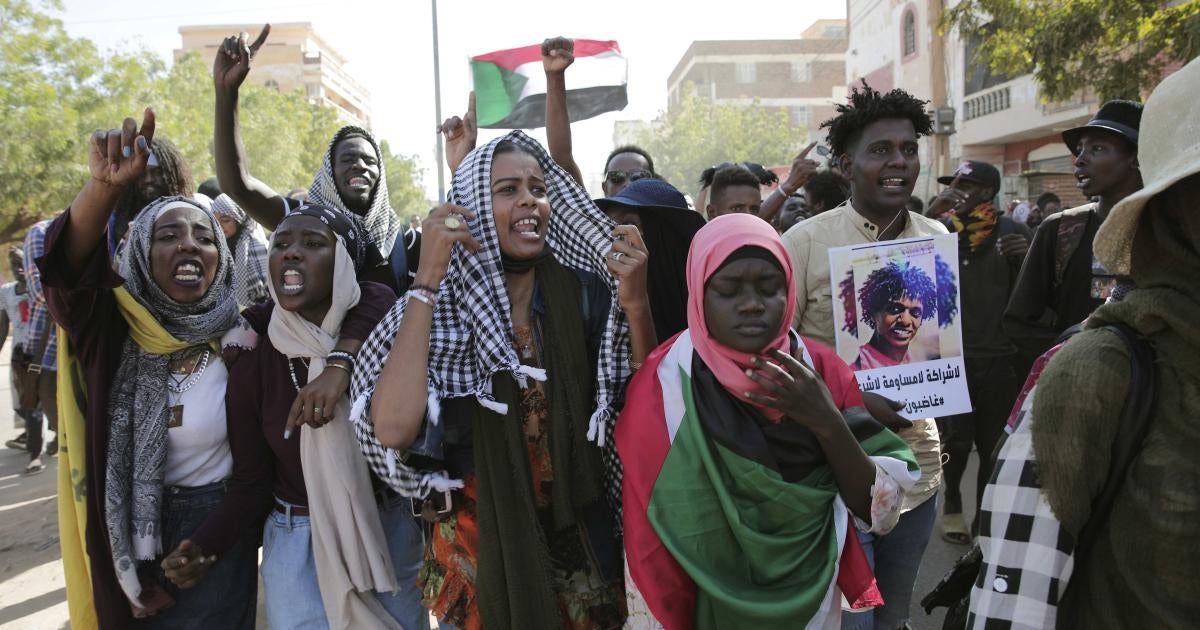
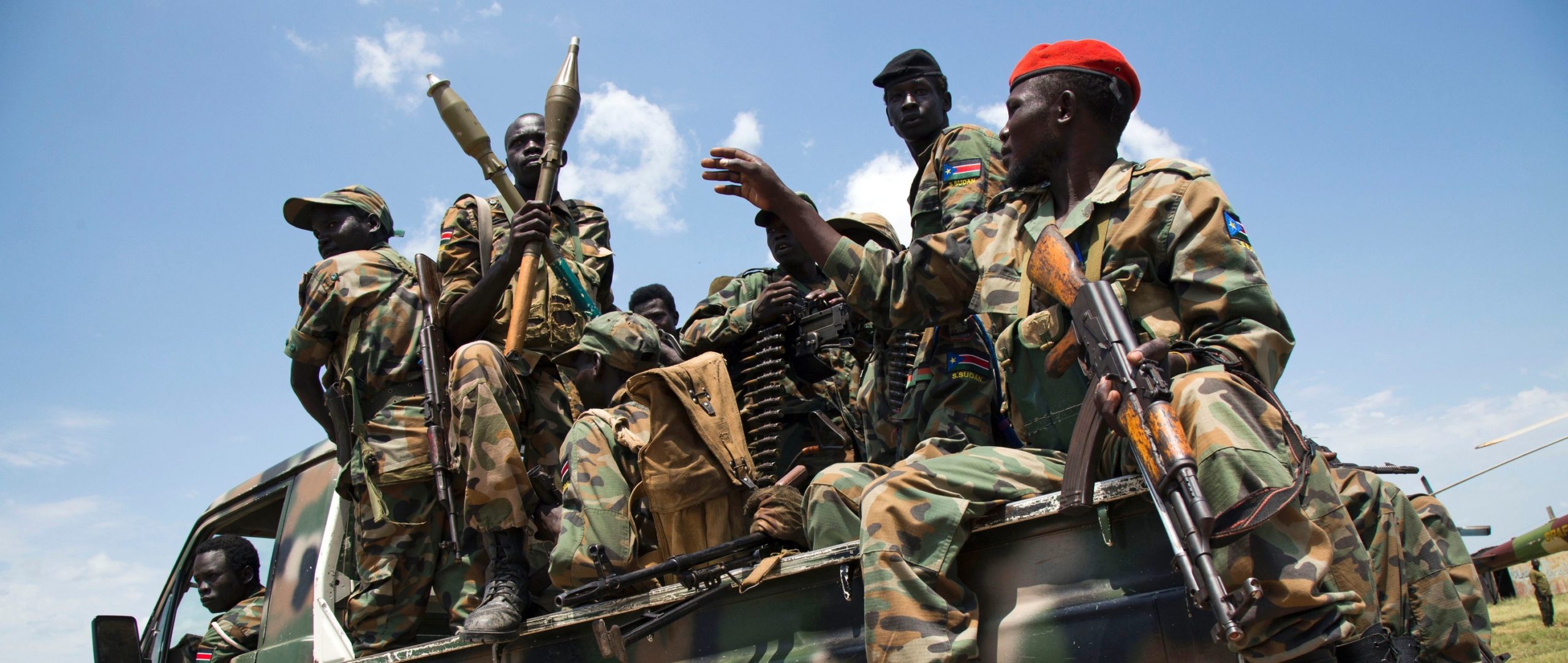
The conflict in Sudan has been marred by numerous allegations of human rights abuses and violations. According to Human Rights Watch and other advocacy groups, both the Sudanese Armed Forces (SAF) and the Rapid Support Forces (RSF) have been implicated in severe abuses.
Indiscriminate Attacks
Reports indicate widespread indiscriminate attacks targeting civilian areas. Airstrikes, artillery shelling, and ground assaults have resulted in significant civilian casualties. The UN High Commissioner for Human Rights noted an alarming frequency of attacks on populated areas, with Khartoum and Darfur being among the worst hit.
Systematic Violence and Torture
Eyewitness accounts and verified reports suggest that systematic violence, including sexual violence and torture, has been used as tactics of war. Amnesty International documented cases where civilians, including women and children, have been subjected to rape, beatings, and other forms of inhumane treatment.
Arbitrary Detentions and Killings
The conflict has also seen numerous instances of arbitrary detentions and extrajudicial killings. Political activists, journalists, and ordinary citizens suspected of supporting opposition factions have been detained without due process and, in some cases, forcibly disappeared.
International Condemnation
The UN, European Union, and numerous international NGOs have condemned these human rights violations. Calls for independent investigations and holding perpetrators accountable have intensified, though achieving justice remains complex amid ongoing conflict.
The pervasive human rights abuses underscore the dire need for enhanced protection measures and accountability to alleviate the ongoing suffering of civilians and restore human rights in Sudan.
Efforts to Hold Perpetrators Accountable
International Criminal Court (ICC)
One of the primary bodies working to hold perpetrators accountable for crimes in Sudan is the International Criminal Court (ICC). The ICC has issued arrest warrants against several high-profile figures, including former president Omar al-Bashir, for crimes such as genocide and war crimes committed during the Darfur conflict.
United Nations Investigations
The United Nations has established special investigative teams to document and verify human rights abuses in Sudan. The UN Human Rights Council has repeatedly called for comprehensive investigations into the recent violence to ensure accountability. In July 2023, a UN fact-finding mission was deployed to collect evidence on ground violations.
African Union (AU) Tribunals
The African Union (AU) has also proposed the establishment of special tribunals to address war crimes and human rights abuses in Sudan. These tribunals aim to provide a regional platform for justice, complementing international efforts.
National Mechanisms
While national mechanisms have been limited by ongoing conflict, there have been some internal efforts within Sudan's transitional government to hold accountable those responsible for human rights violations. In early 2023, Sudanese authorities announced the formation of a commission dedicated to investigating and prosecuting alleged war crimes.
Challenges
Efforts to hold perpetrators accountable face numerous challenges: - Ongoing conflict, hampers investigations and judicial processes. - Political instability, disrupts the implementation of accountability measures. - Limited access, to conflict zones complicates evidence collection.
Despite these challenges, the persistent efforts by international and regional bodies underscore a collective commitment to achieving justice and deterring future abuses. Ensuring accountability is pivotal for sustainable peace and rebuilding trust among Sudan's diverse communities.

Regional Implications and Refugee Crisis
Impact of the Conflict on Neighboring Countries
Refugee Influx
The conflict in Sudan has triggered a massive displacement crisis, significantly impacting neighboring countries. Chad, South Sudan, and the Central African Republic (CAR) have seen an influx of Sudanese refugees fleeing violence. According to the United Nations High Commissioner for Refugees (UNHCR), more than 300,000 refugees crossed into Chad by mid-2023, overwhelming local resources and infrastructure.
Security Concerns
The escalation of violence in Sudan poses severe security threats to the region. The influx of armed combatants and the proliferation of small arms have destabilized border areas. South Sudan and the CAR have reported increased incidents of cross-border skirmishes and banditry, exacerbating their own internal security challenges.
Economic Strain
Neighboring countries are also enduring significant economic strain due to the conflict. The refugee crisis has burdened local economies, necessitating an urgent need for international aid and assistance. Ethiopia and Uganda have faced increased pressure on their social services, including healthcare and education, as they accommodate displaced populations.
Regional Diplomacy
The Intergovernmental Authority on Development (IGAD), comprising several countries in the region, has undertaken diplomatic efforts to mitigate the conflict’s impact. In June 2023, IGAD held an emergency summit to address the refugee crisis and coordinate humanitarian responses.
Humanitarian Efforts
International organizations like the World Food Programme (WFP) and Doctors Without Borders (MSF) are collaborating with local governments to provide essential aid. Despite these efforts, the sheer scale of displacement and ongoing conflict continues to pose significant humanitarian challenges.
The ripple effects of the Sudan conflict underscore the urgent need for regional cooperation and robust international support to address the humanitarian and security challenges faced by Sudan's neighbors.
Challenges Posed by the Refugee Crisis
Overwhelming Influx
The refugee crisis stemming from the Sudan conflict has overwhelmed neighboring countries. Nations like Chad and South Sudan bear the brunt, with Chad hosting over 300,000 refugees by mid-2023, according to the UNHCR. The sheer number of refugees strains already limited resources.
Resource Allocation
Essential services such as water, sanitation, healthcare, and education are severely tested. Refugee camps lack adequate infrastructure, resulting in overcrowded conditions and insufficient supplies. Schools and clinics in host communities are overstretched, impacting local populations and the refugees alike.
Security Risks
The influx of refugees also poses security risks. Border areas are becoming increasingly unstable, with tensions rising between local communities and the new arrivals. Reports of cross-border skirmishes and increased criminal activities have been noted, particularly in South Sudan and the Central African Republic (CAR).
Economic Burden
Local economies are under significant pressure to support the refugees. Trade routes are disrupted, and there is increased competition for jobs and housing. According to the World Bank, host countries require substantial financial aid to manage the economic impact effectively.
Public Health Concerns
Public health is a major concern, with refugee camps often becoming hotspots for disease outbreaks. Lack of clean water and sanitation facilities, coupled with limited healthcare services, exacerbates the risk of communicable diseases. The World Health Organization (WHO) reported rises in diseases such as cholera and malaria in refugee hosting areas.
International Aid
While international organizations like the WFP, UNICEF, and Doctors Without Borders are providing critical support, their efforts are hampered by funding shortfalls and access challenges.
Addressing these challenges posed by the refugee crisis requires robust international cooperation, significant financial aid, and sustainable solutions to meet the needs of both refugees and host communities.
Path to Peace and Resolution
Peacebuilding Initiatives and Negotiations
African Union (AU) Mediation
The African Union (AU) has been at the forefront of peacebuilding efforts in Sudan. In May 2023, the AU facilitated high-level negotiations in Addis Ababa, bringing together representatives from the Sudanese Armed Forces (SAF) and the Rapid Support Forces (RSF). These talks aimed to broker a lasting ceasefire and establish a framework for a political transition.
United Nations (UN) Support
The United Nations (UN) has played a supportive role through its Integrated Transition Assistance Mission in Sudan (UNITAMS). UNITAMS has been critical in coordinating international efforts and providing technical assistance for peace processes. In June 2023, the UN held a special summit that emphasized the importance of inclusive dialogue and human rights.
Local Peace Committees
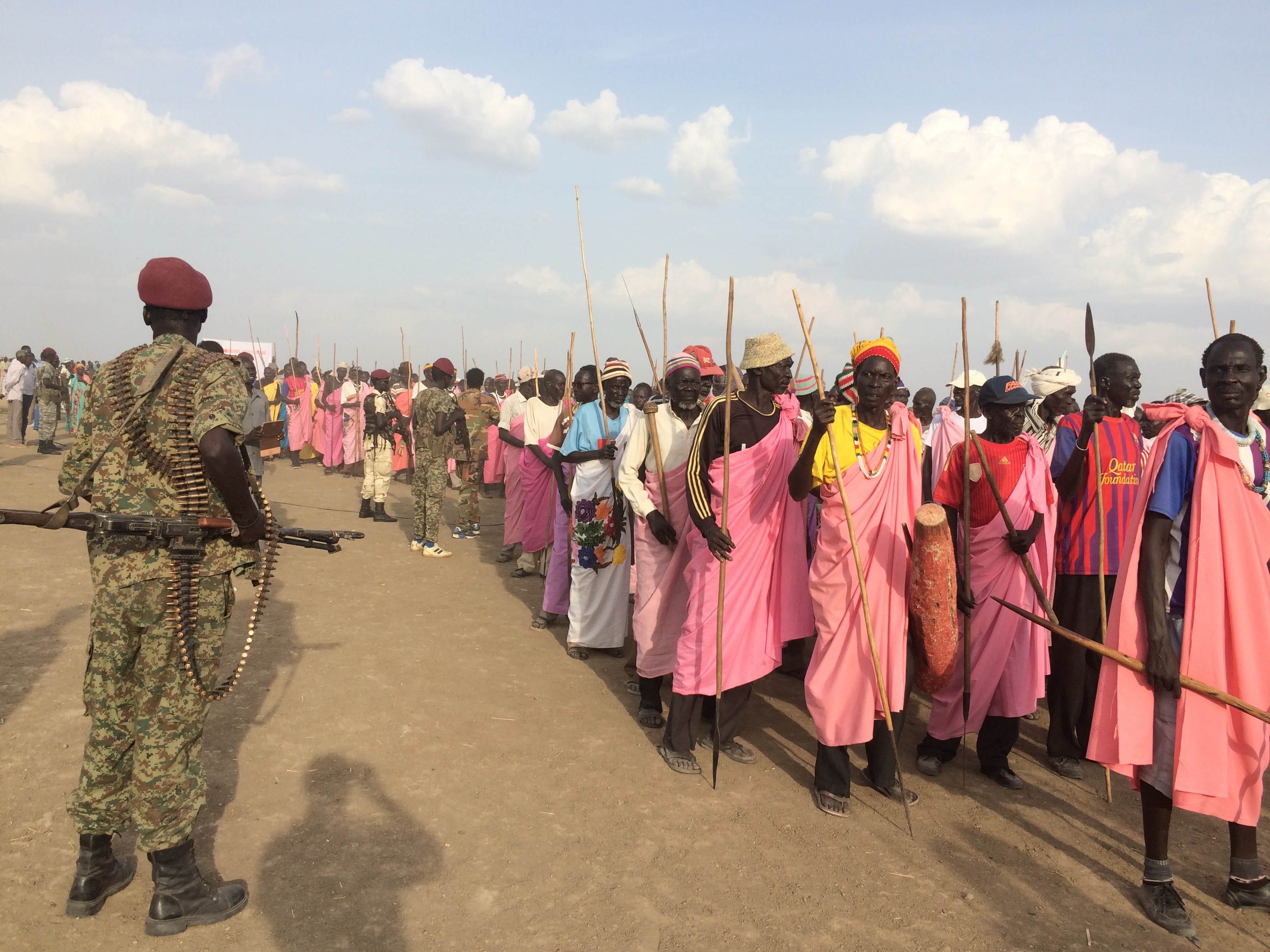
On the ground, local peace committees have emerged as vital players in reconciliation efforts. These committees, composed of community leaders and civil society organizations, work towards mediating local disputes and fostering dialogues among various ethnic groups. Reports indicate that these grassroots initiatives have successfully prevented several potential clashes.
International Diplomatic Pressure
Countries like the United States, United Kingdom, and members of the European Union have applied diplomatic pressure to encourage Sudanese factions towards peace. In April 2023, the US Secretary of State met with Sudanese leaders, advocating for an immediate halt to hostilities and the resumption of peace talks.
Funding and Development Programs
International donors have pledged significant funding for rebuilding efforts. The World Bank and the International Monetary Fund (IMF) have announced comprehensive development programs aimed at restoring infrastructure, reviving the economy, and addressing humanitarian needs.
Challenges to Peace
- Distrust between warring factions, frequently derailing negotiations.
- Violations of ceasefires, complicating peace enforcement.
- Political and tribal divisions, hindering unified peace efforts.
Despite these challenges, sustained peacebuilding initiatives and negotiations remain crucial for Sudan's journey toward lasting peace and stability. The collective effort of international bodies, local communities, and diplomatic interventions underscores the global commitment to ending the conflict in Sudan.

Future Prospects for Stability in Sudan
Political Reforms
The future stability of Sudan hinges significantly on successful political reforms. Transitioning to a civilian-led government remains a critical goal. The Comprehensive Peace Agreement (CPA) signed in 2005 and the more recent Juba Peace Agreement of 2020 provide frameworks for these reforms, emphasizing power-sharing, decentralization, and democratic processes.
Economic Recovery
An essential component for stability is economic recovery. Sudan's economy, crippled by decades of conflict and mismanagement, requires substantial international support. The World Bank and the International Monetary Fund (IMF) are pivotal, offering debt relief, financial aid, and expert advice to spur economic growth and reduce poverty.
Humanitarian Aid
Continuous humanitarian aid is crucial. International NGOs and organizations like UNICEF, WFP, and Doctors Without Borders are actively addressing the humanitarian crisis. Ensuring sustained and increased aid can help alleviate immediate suffering and build a foundation for long-term recovery.
Security Sector Reform
Reforming the security sector is vital for lasting peace. Integrating diverse armed factions into a unified national army and implementing strict oversight mechanisms can help reduce the risk of future clashes. The UN and African Union are playing advisory roles in this complex process.
Regional Cooperation
Stability in Sudan is intertwined with that of its neighbors. Effective regional diplomacy and cooperation through organizations like IGAD and AU are essential. Joint efforts can address cross-border issues like refugee flows, arms smuggling, and insurgency spillover.
Civil Society Engagement
Empowering civil society and grassroots organizations remains key. These groups play a crucial role in peacebuilding, reconciliation, and promoting democratic values. Greater inclusion of youth, women, and marginalized communities in the peace process can foster unity and resilience.
Challenges
- Persistent violence, hindering reform and recovery efforts.
- Deep-seated ethnic and political divisions, complicating consensus building.
- Economic instability, delaying developmental progress.
While the path to stability is fraught with challenges, a multifaceted approach involving political, economic, and social reforms, supported by robust international and regional cooperation, provides a hopeful outlook for the future stability of Sudan.