The History of Carbonated Drinks

Origin
The origin of carbonated beverages dates back to the 18th century. Natural mineral waters, which contained natural carbonation, were highly regarded for their health benefits. The earliest known artificially carbonated drink was created by Joseph Priestley in 1767, when he infused water with carbon dioxide.
Evolution
Carbonated drinks evolved significantly over the centuries. In the late 1800s, pharmacists began adding flavors, resulting in early sodas like root beer and ginger ale. By the early 20th century, mass production and new technologies made these beverages widely available. Today, the industry continues to innovate with new flavors and healthier options.
Introduction of Carbonation Technology
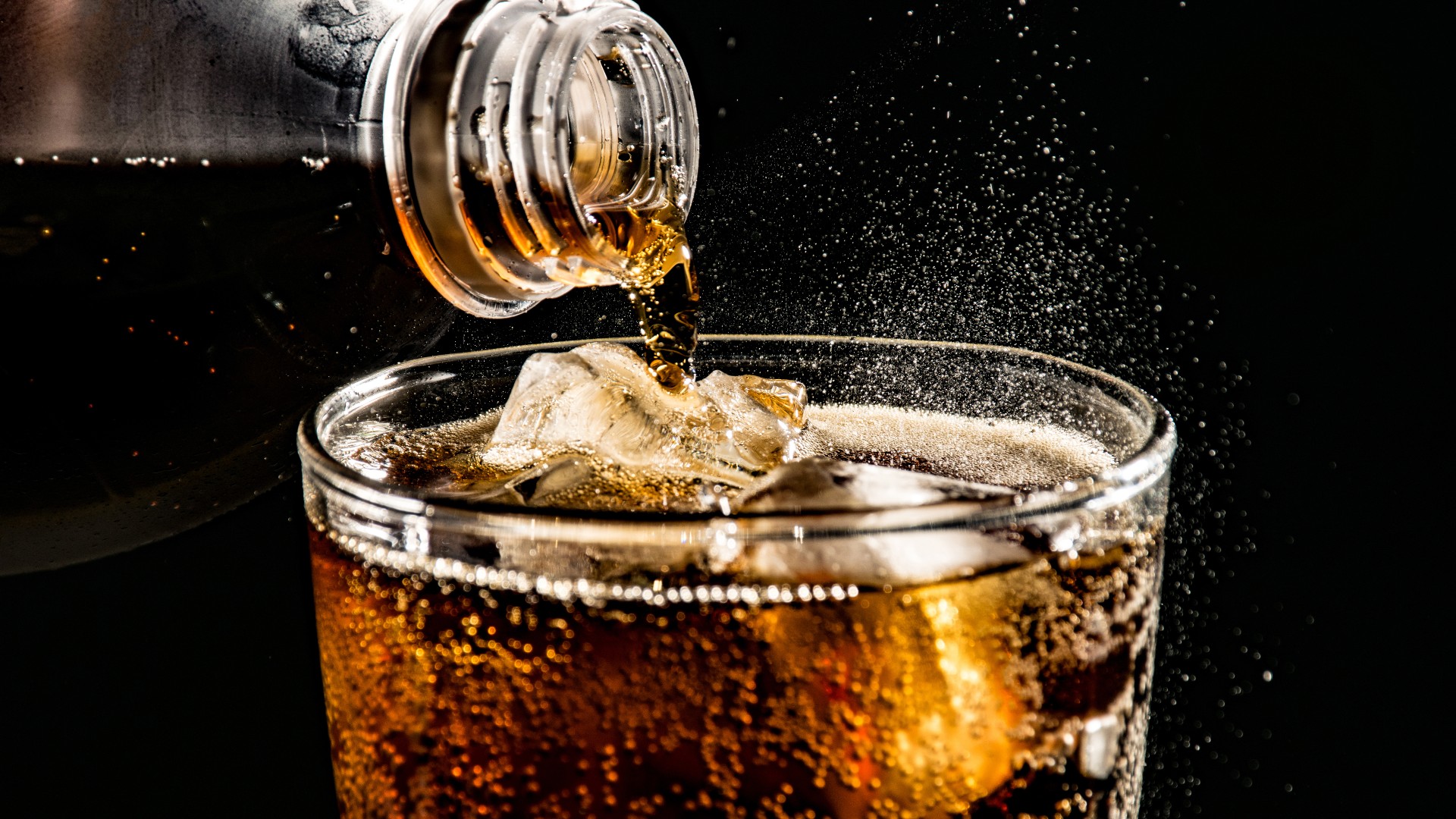
The introduction of carbonation technology revolutionized the beverage industry. Initially, carbonated beverages were produced in small batches and consumed locally. The invention of efficient carbonation methods enabled large-scale production.
Market Expansion
This technological advancement allowed companies to distribute carbonated drinks globally. The enhanced shelf life of carbonated beverages contributed to their widespread popularity and fueled the growth of global brands.
Innovation and Diversification
Carbonation technology also paved the way for the creation of diverse beverage options. From traditional sodas to flavored sparkling waters, the variety available today is a direct result of breakthroughs in carbonation techniques.
Types of Carbonated Drinks
Sodas
Sodas are the most popular type of carbonated drink, featuring a blend of carbonated water, sweeteners, and flavorings. Coca-Cola and Pepsi are iconic examples, known for their unique recipes and extensive market reach.
Soft Drinks
Soft drinks encompass a broader category that includes sodas but also other non-alcoholic beverages. These drinks are often sweetened and can be flavored with fruit extracts, syrups, or other natural and artificial ingredients.
Variations
Variations in soft drinks include diet options with artificial sweeteners, caffeine-free versions, and beverages specifically designed for different age groups or dietary needs. These variations ensure that there is a carbonated drink for every preference.

Sparkling Water
Sparkling water is simply water that has been carbonated. It contains no sugars or calories, making it a popular choice for those seeking a healthier alternative to traditional sodas. Brands like Perrier and San Pellegrino are well-known in this category.
Seltzers
Seltzers are similar to sparkling water but are usually plain and intended for versatility. They serve as mixers for cocktails or can be enjoyed on their own. Seltzers are also available in a range of flavors, from citrus to berry.
Flavored Carbonated Drinks
These beverages combine carbonation with a variety of natural or artificial flavors. Flavored carbonated drinks often include fruit essences and may contain added sugars or sweeteners. Popular examples include LaCroix and Bubly.
Popular Carbonated Drink Brands
Coca-Cola
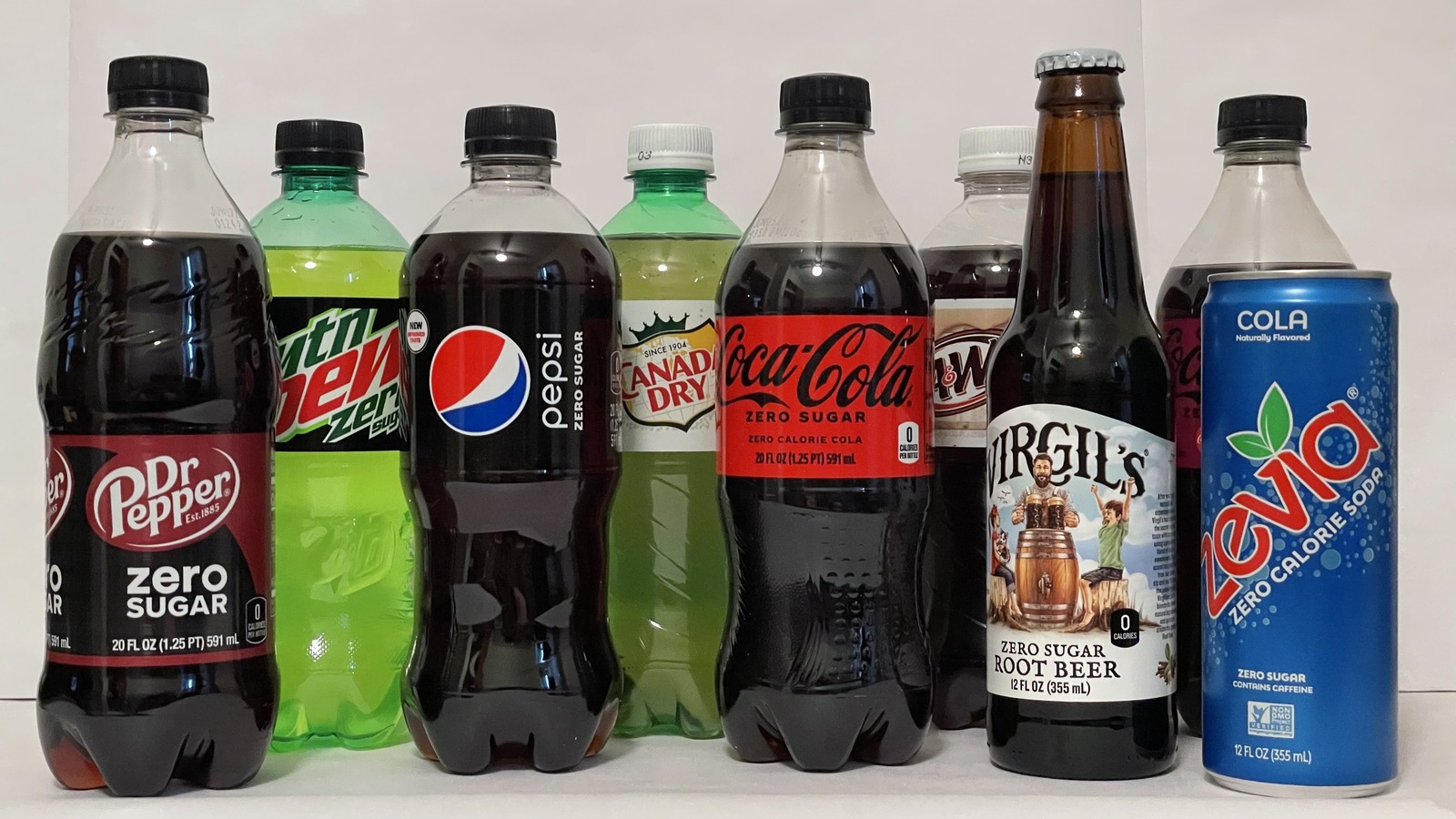
Coca-Cola, introduced in 1886, is one of the most recognizable brands globally. Known for its secret formula, it has expanded its product line to include Diet Coke, Coke Zero, and various flavored options. Coca-Cola's extensive global reach exemplifies its iconic status.
Pepsi
Pepsi, launched in 1898, is Coca-Cola's main competitor. Known for its distinct sweeter taste, Pepsi has also diversified its offerings with products like Diet Pepsi, Pepsi Max, and Mountain Dew. PepsiCo focuses on a younger demographic through innovative marketing campaigns.
Other Leading Brands
Other leading brands include Dr. Pepper, known for its unique 23-flavor blend, and Sprite, a popular lemon-lime soda. Each brand has carved out its niche, contributing to the vibrant landscape of the carbonated beverage industry.

Niche Carbonated Drinks
Niche carbonated drinks cater to specialized tastes and dietary needs. These include beverages like kombucha, a fermented tea that offers probiotic benefits, and organic sodas made with natural ingredients. Brands like Health-Ade and Gus Soda focus on unique formulations.
Artisanal Beverages
Artisanal carbonated drinks emphasize quality, craftsmanship, and local ingredients. Often produced in small batches, these beverages aim to provide a premium experience. Companies like Q Drinks and Fentimans offer carefully crafted flavor profiles that stand out from mainstream options.
Market Impact
Niche and artisanal carbonated drink makers are gaining traction among health-conscious consumers and those looking for unique flavors. Their focus on quality over quantity has created a loyal customer base, driving innovation in the beverage industry.
The Science Behind Carbonation

Introduction
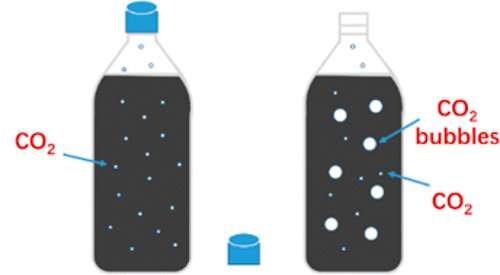
The carbon dioxide infusion process is a critical aspect of producing carbonated beverages. This process involves dissolving carbon dioxide gas into a liquid under high pressure.
How It Works
The liquid, usually water, is chilled and subjected to high pressure in a carbonation tank. Carbon dioxide gas is then introduced, bonding with the liquid to create carbonation. The pressure is gradually released, causing the carbon dioxide to remain dissolved until the container is opened.
Equipment
Specialized equipment such as carbonation tanks and CO2 injectors are used to ensure consistent and efficient infusion. Quality control measures are crucial to maintain the desired carbonation levels and avoid issues like over-carbonation.
Taste Enhancement
Carbonation plays a pivotal role in enhancing the taste of beverages. The infusion of carbon dioxide creates a slight acidity, which can make flavors more vibrant and appealing. This acidity balances sweetness, resulting in a well-rounded flavor profile.
Texture and Mouthfeel
In addition to taste, carbonation significantly affects the texture and mouthfeel of a beverage. The bubbles provide a tingling sensation on the palate, contributing to the overall sensory experience. This effervescence is often described as refreshing and invigorating.
Perception and Enjoyment
The unique combination of taste and texture offered by carbonated drinks increases consumer enjoyment. The dynamic effervescence can make even simple flavors more exciting, contributing to the lasting popularity of carbonated beverages.
Conclusion
Sodas and Soft Drinks
Sodas and soft drinks are often sweetened and come in a variety of flavors. They contain added sugars, artificial sweeteners, and sometimes caffeine. Examples include Coca-Cola and Pepsi. These drinks are popular for their bold flavors and widespread availability.
Sparkling Water and Seltzers
Sparkling water and seltzers are typically unsweetened, offering a calorie-free alternative. They may be plain or flavored with natural essences. Brands like LaCroix and Perrier fall into this category, appealing to health-conscious consumers.
Flavored Carbonated Drinks
Flavored carbonated drinks blend carbonation with various flavors, sometimes including added sugars. They offer a middle ground between sugary sodas and plain sparkling water. Examples include Bubly and flavored versions of San Pellegrino. Each type caters to different taste preferences and dietary needs.

Sustainability Efforts
The carbonated beverage industry is increasingly focusing on sustainability. Companies are adopting eco-friendly packaging, such as recyclable cans and bottles. Initiatives like reducing water usage and improving energy efficiency in production are becoming standard.
Innovative Ingredients
Future trends indicate a shift towards healthier and more sustainable ingredients. Natural sweeteners like stevia, and organic flavorings are being explored. This caters to consumer demand for cleaner labels and healthier options.
Technological Advancements
Technological advancements are set to revolutionize the industry. Innovations in carbonation methods and packaging technologies are enhancing product quality while minimizing environmental impact. These forward-looking strategies position the industry for sustainable growth.