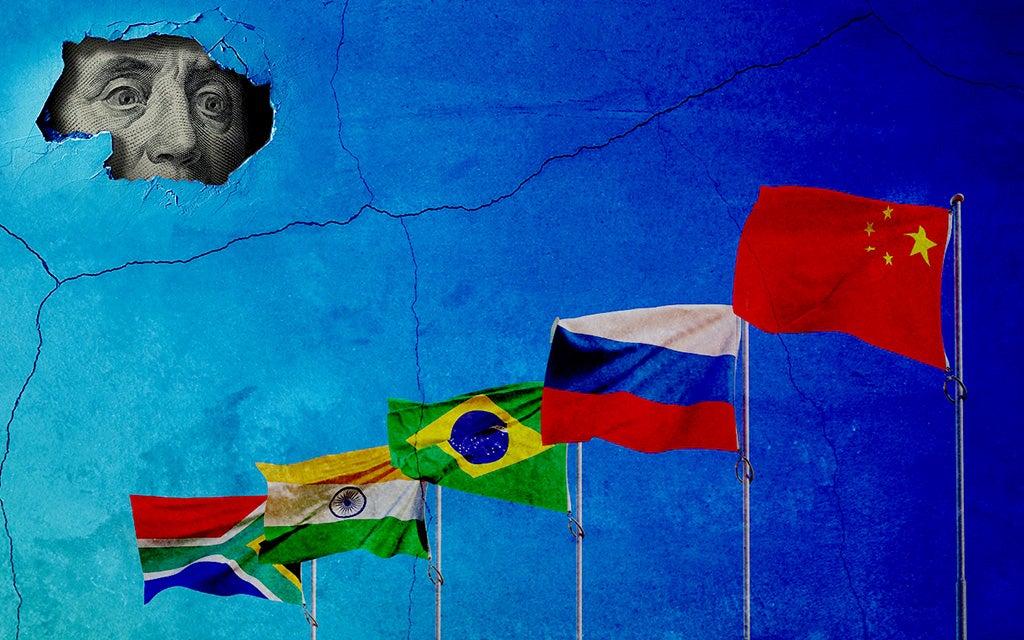
Introduction to BRICS in the Multilateral Economic Order
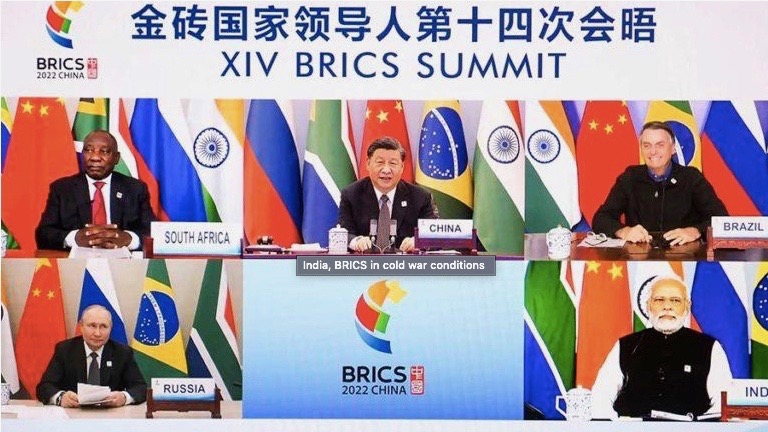
Introduction to BRICS in the Multilateral Economic Order
As the global economic landscape continues to evolve, multilateral economic organizations like the BRICS have gained significant importance. BRICS, an acronym for Brazil, Russia, India, China, and South Africa, represents a powerful coalition of emerging economies.
Overview of BRICS and its Significance
Formation and Purpose
Established in 2009, BRICS aims to foster economic growth and development among its member countries. The coalition seeks to create a balanced, multipolar economic order, thereby reducing dependency on traditional Western economies.
Economic Clout
BRICS nations collectively contribute a substantial portion of global GDP, trade, and investment flows, making their collaboration critical in shaping global economic policies.
Global Influence
The sheer size and population of BRICS countries, coupled with their natural resources and technological advancements, imbue the coalition with significant global influence. Their unified stance on key issues can sway international policies and economic decisions, highlighting BRICS's pivotal role in today's world.

Overview of BRICS and its Significance
Formation and Purpose
Established in 2009, BRICS aims to foster economic growth and development among its member countries. The coalition seeks to create a balanced, multipolar economic order, thereby reducing dependency on traditional Western economies.
Economic Clout
BRICS nations collectively contribute a substantial portion of global GDP, trade, and investment flows, making their collaboration critical in shaping global economic policies.
Global Influence
The sheer size and population of BRICS countries, coupled with their natural resources and technological advancements, imbue the coalition with significant global influence. Their unified stance on key issues can sway international policies and economic decisions, highlighting BRICS's pivotal role in today's world.
Evolution of BRICS Cooperation and Goals
Historical Milestones
Since its inception, BRICS has evolved from an economic concept into a formidable international institution. Starting with annual summits, the coalition has expanded its scope to include initiatives in healthcare, science, and technology, reflecting its growing ambitions and influence.
Strategic Objectives
BRICS's goals have broadened over time to include sustainable development, financial cooperation, and cultural exchange. By diversifying their cooperative efforts, BRICS members aim to tackle global challenges more effectively, ultimately striving for a more equitable world order.
This continuous evolution underscores BRICS's commitment to fostering coordinated growth among its member nations while exerting a profound impact on the global economic landscape.
Economic Impact of BRICS
Evolution of BRICS Cooperation and Goals
Historical Milestones
Since its inception, BRICS has evolved from an economic concept into a formidable international institution. Starting with annual summits, the coalition has expanded its scope to include initiatives in healthcare, science, and technology, reflecting its growing ambitions and influence.
Strategic Objectives
BRICS's goals have broadened over time to include sustainable development, financial cooperation, and cultural exchange. By diversifying their cooperative efforts, BRICS members aim to tackle global challenges more effectively, ultimately striving for a more equitable world order.
This continuous evolution underscores BRICS's commitment to fostering coordinated growth among its member nations while exerting a profound impact on the global economic landscape.
BRICS Member Countries' Economic Contributions
Brazil
Rich in natural resources, Brazil is a leading exporter of agricultural products and minerals, significantly boosting the global commodities market. Its diverse economy also includes strong manufacturing and service sectors.
Russia
As one of the largest energy producers globally, Russia contributes substantially to the global supply of oil and gas. Additionally, its expertise in aerospace and military technologies underscores its economic significance.
India
India's rapidly expanding economy is driven by a burgeoning IT industry, textile manufacturing, and a rising middle class with increasing spending power. Its vast human resource pool fuels innovation and growth.
China
China, the world's second-largest economy, plays a pivotal role in global trade. Its manufacturing prowess, expansive Belt and Road Initiative, and advancements in technology solidify its economic dominance.
South Africa
Rich in minerals and home to a mature financial sector, South Africa serves as a gateway to African markets. Its robust mining and services industries contribute significantly to both regional and global economies.
Together, these diverse economic strengths not only bolster each member country but also enhance BRICS's collective impact on the global economic stage.
BRICS Member Countries' Economic Contributions
Brazil
Rich in natural resources, Brazil is a leading exporter of agricultural products and minerals, significantly boosting the global commodities market. Its diverse economy also includes strong manufacturing and service sectors.
Russia
As one of the largest energy producers globally, Russia contributes substantially to the global supply of oil and gas. Additionally, its expertise in aerospace and military technologies underscores its economic significance.
India
India's rapidly expanding economy is driven by a burgeoning IT industry, textile manufacturing, and a rising middle class with increasing spending power. Its vast human resource pool fuels innovation and growth.
China
China, the world's second-largest economy, plays a pivotal role in global trade. Its manufacturing prowess, expansive Belt and Road Initiative, and advancements in technology solidify its economic dominance.
South Africa
Rich in minerals and home to a mature financial sector, South Africa serves as a gateway to African markets. Its robust mining and services industries contribute significantly to both regional and global economies.
Together, these diverse economic strengths not only bolster each member country but also enhance BRICS's collective impact on the global economic stage.
Trade Partnerships Within BRICS Nations
Intra-BRICS Trade Growth
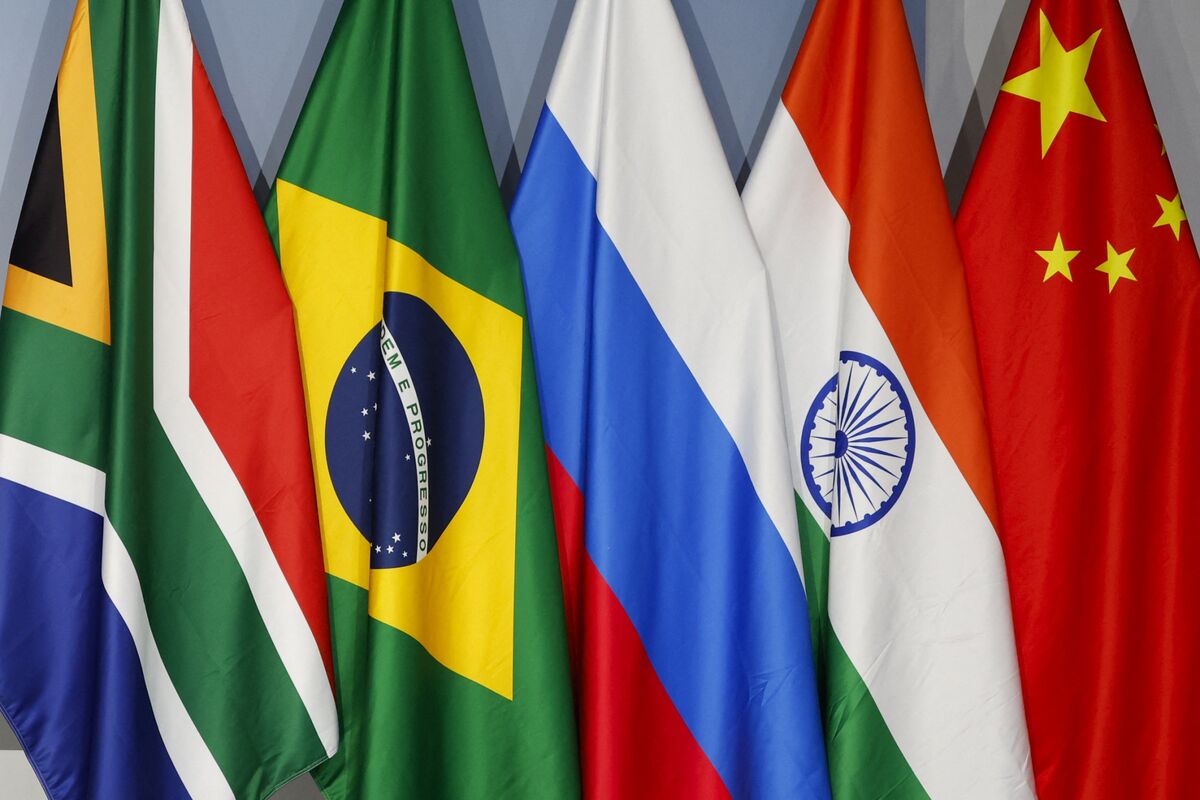
One of the core pillars of BRICS cooperation is the enhancement of trade relationships among member nations. Over the years, intra-BRICS trade has witnessed substantial growth, signifying its critical role in fortifying economic ties.
Bilateral Agreements
Numerous bilateral trade agreements have been established among BRICS countries to facilitate smoother trade flows. These agreements often focus on reducing tariffs, improving market access, and fostering investment in each other's economies.
Key Sectors
Trade partnerships within BRICS span various sectors such as technology, pharmaceuticals, agriculture, and energy. For instance, China and India collaborate extensively in technology and pharmaceuticals, while Russia and Brazil focus on energy and agriculture.
This interconnected trade network not only enhances economic resilience but also facilitates the free flow of goods, services, and investments, further strengthening BRICS's collective economic clout on the global stage.

Political Influence of BRICS
Trade Partnerships Within BRICS Nations
Intra-BRICS Trade Growth
One of the core pillars of BRICS cooperation is the enhancement of trade relationships among member nations. Over the years, intra-BRICS trade has witnessed substantial growth, signifying its critical role in fortifying economic ties.
Bilateral Agreements
Numerous bilateral trade agreements have been established among BRICS countries to facilitate smoother trade flows. These agreements often focus on reducing tariffs, improving market access, and fostering investment in each other's economies.
Key Sectors
Trade partnerships within BRICS span various sectors such as technology, pharmaceuticals, agriculture, and energy. For instance, China and India collaborate extensively in technology and pharmaceuticals, while Russia and Brazil focus on energy and agriculture.
This interconnected trade network not only enhances economic resilience but also facilitates the free flow of goods, services, and investments, further strengthening BRICS's collective economic clout on the global stage.
BRICS Role in Global Governance and Decision-Making
Strategic Position
BRICS holds a strategic position in global governance, aiming to reform international institutions such as the United Nations, International Monetary Fund (IMF), and World Bank. Their collective voice champions a more equitable representation for emerging economies.
Advocacy for Reform
Members advocate for policy reforms to address global challenges like financial stability, climate change, and sustainable development. Their united stance often tilts discussions towards more inclusive decision-making processes.
Initiatives and Contributions
BRICS has launched initiatives like the New Development Bank (NDB) and Contingent Reserve Arrangement (CRA) to offer alternative financial solutions and enhance economic stability. These initiatives bolster their influence in global economic governance.
By actively participating in and shaping international policies, BRICS not only amplifies its geopolitical clout but also strives to establish a more balanced and fair world order, reflecting the aspirations of its diverse members.
BRICS Role in Global Governance and Decision-Making
Strategic Position
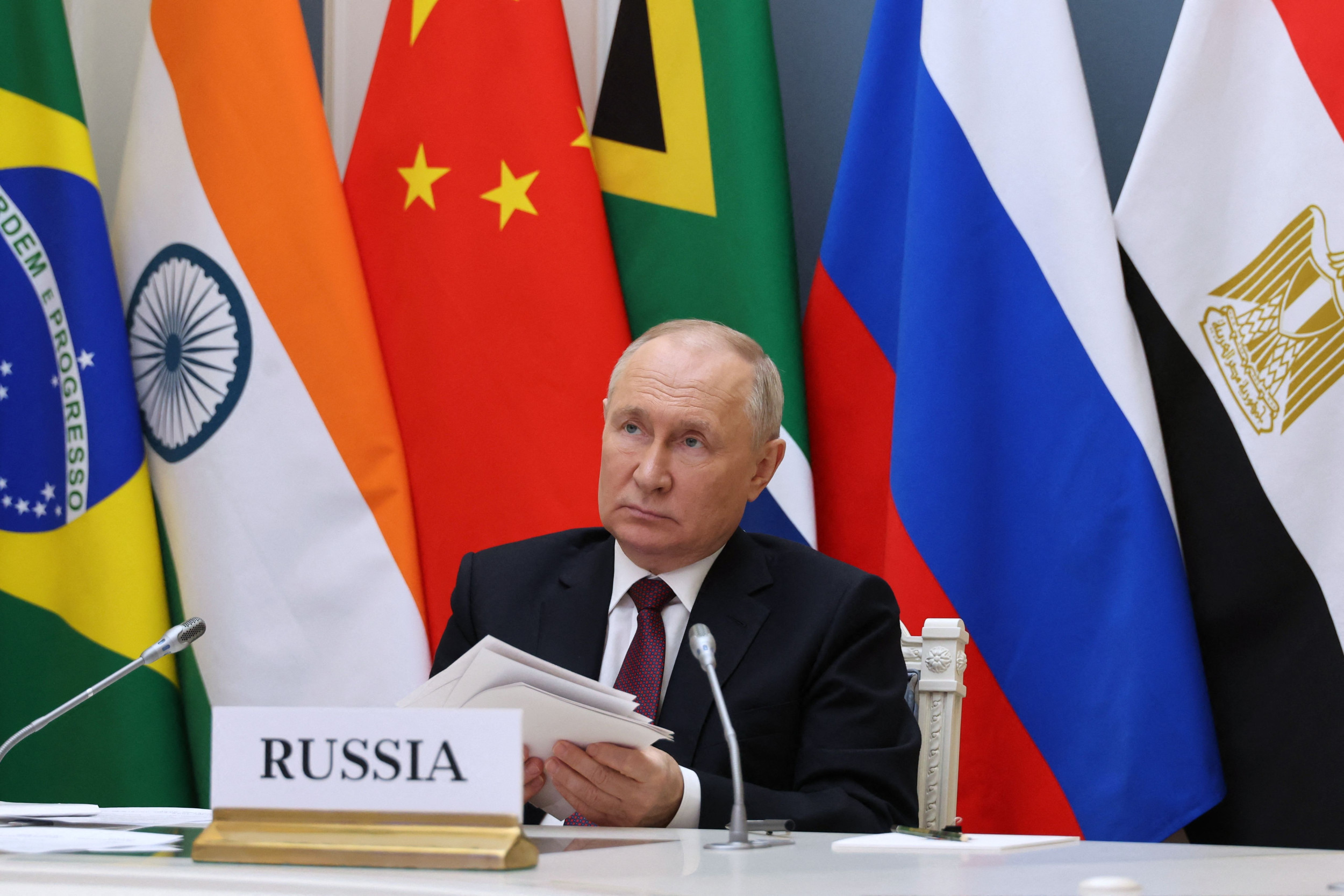
BRICS holds a strategic position in global governance, aiming to reform international institutions such as the United Nations, International Monetary Fund (IMF), and World Bank. Their collective voice champions a more equitable representation for emerging economies.
Advocacy for Reform
Members advocate for policy reforms to address global challenges like financial stability, climate change, and sustainable development. Their united stance often tilts discussions towards more inclusive decision-making processes.
Initiatives and Contributions
BRICS has launched initiatives like the New Development Bank (NDB) and Contingent Reserve Arrangement (CRA) to offer alternative financial solutions and enhance economic stability. These initiatives bolster their influence in global economic governance.
By actively participating in and shaping international policies, BRICS not only amplifies its geopolitical clout but also strives to establish a more balanced and fair world order, reflecting the aspirations of its diverse members.
BRICS Diplomatic Relations and Influence on International Policies
Strengthening Diplomatic Ties
BRICS nations continually work to strengthen diplomatic relations through regular high-level meetings, summits, and collaborative forums. This diplomatic engagement fosters mutual understanding and positions BRICS as a unified bloc in international affairs.
Impact on Global Policies
BRICS's unified stance on critical global issues has a substantial impact on international policies. Whether it's climate change, trade regulations, or security concerns, their collective voice often drives the agenda and promotes inclusive decision-making.
Alliances and Partnerships
By forming alliances with other regional blocs and international organizations, BRICS extends its influence. These strategic partnerships enable BRICS to champion policies that reflect the interests of developing and emerging economies.
Through robust diplomatic relations and strategic influence on international policies, BRICS not only elevates its global standing but also contributes to shaping a more multipolar world, aligning with its vision of equitable global governance.
Putin's Views on BRICS Cooperation
BRICS Diplomatic Relations and Influence on International Policies
Strengthening Diplomatic Ties
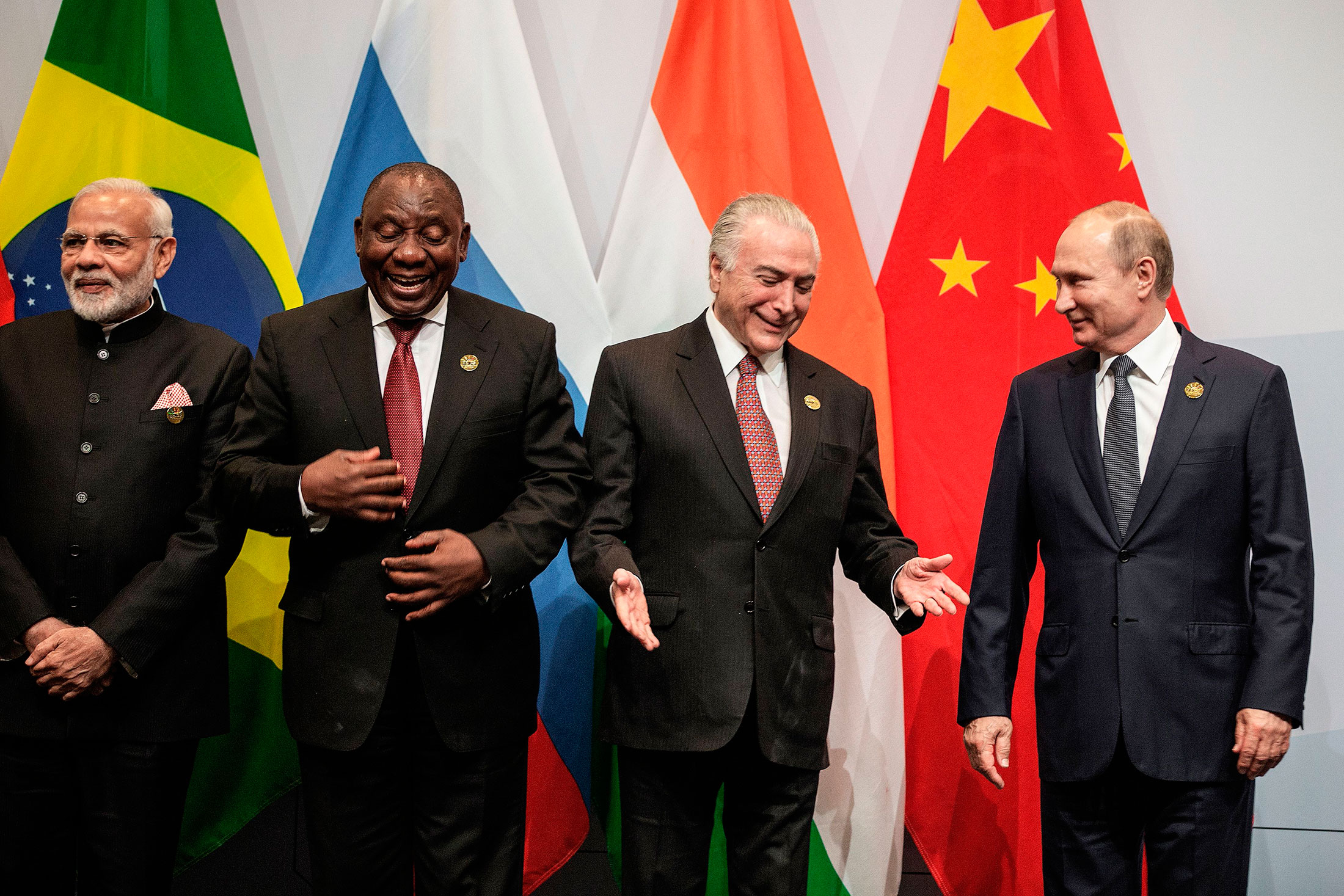
BRICS nations continually work to strengthen diplomatic relations through regular high-level meetings, summits, and collaborative forums. This diplomatic engagement fosters mutual understanding and positions BRICS as a unified bloc in international affairs.
Impact on Global Policies
BRICS's unified stance on critical global issues has a substantial impact on international policies. Whether it's climate change, trade regulations, or security concerns, their collective voice often drives the agenda and promotes inclusive decision-making.
Alliances and Partnerships
By forming alliances with other regional blocs and international organizations, BRICS extends its influence. These strategic partnerships enable BRICS to champion policies that reflect the interests of developing and emerging economies.
Through robust diplomatic relations and strategic influence on international policies, BRICS not only elevates its global standing but also contributes to shaping a more multipolar world, aligning with its vision of equitable global governance.
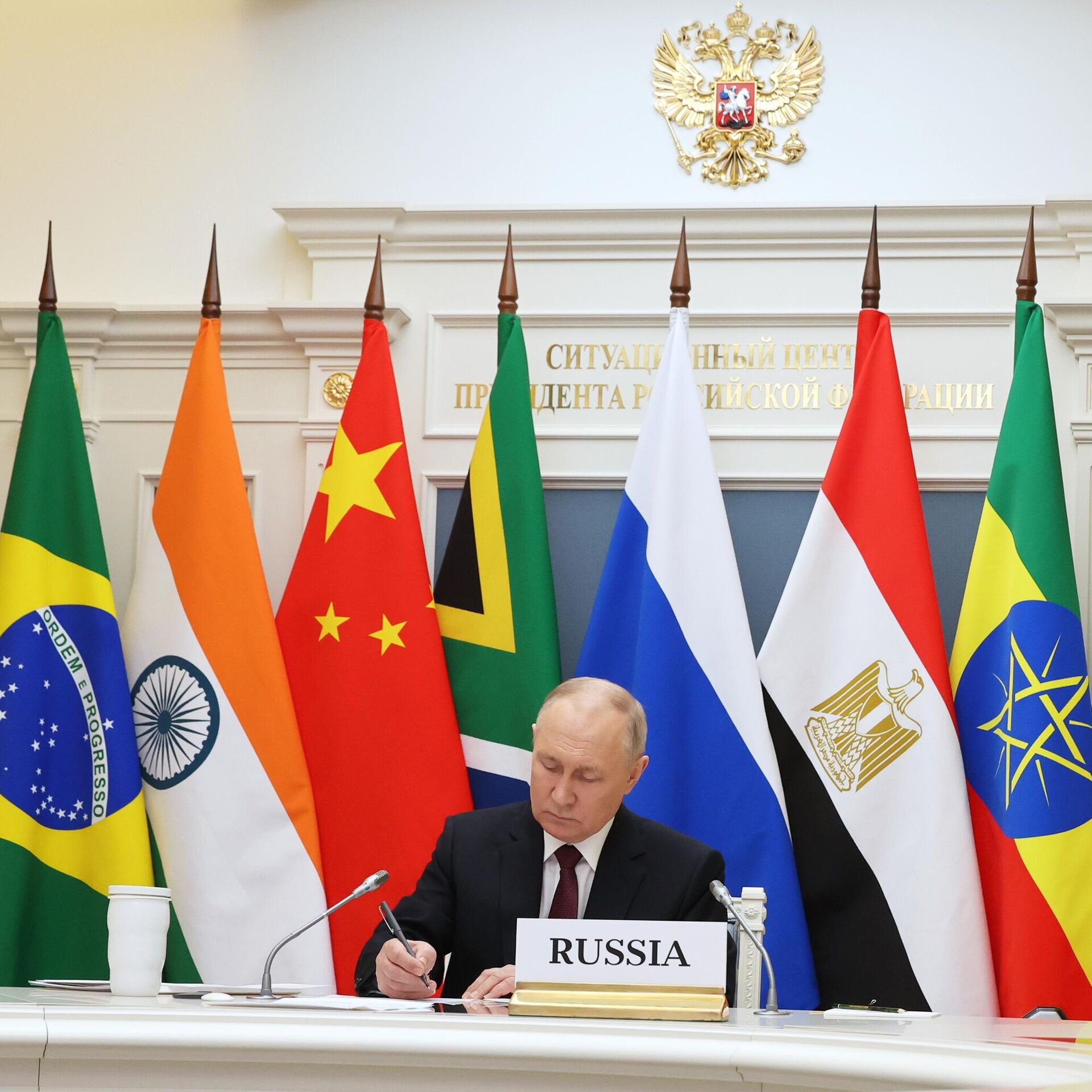
Putin's Perspectives on BRICS Importance and Potential
Recognition of Economic Synergy
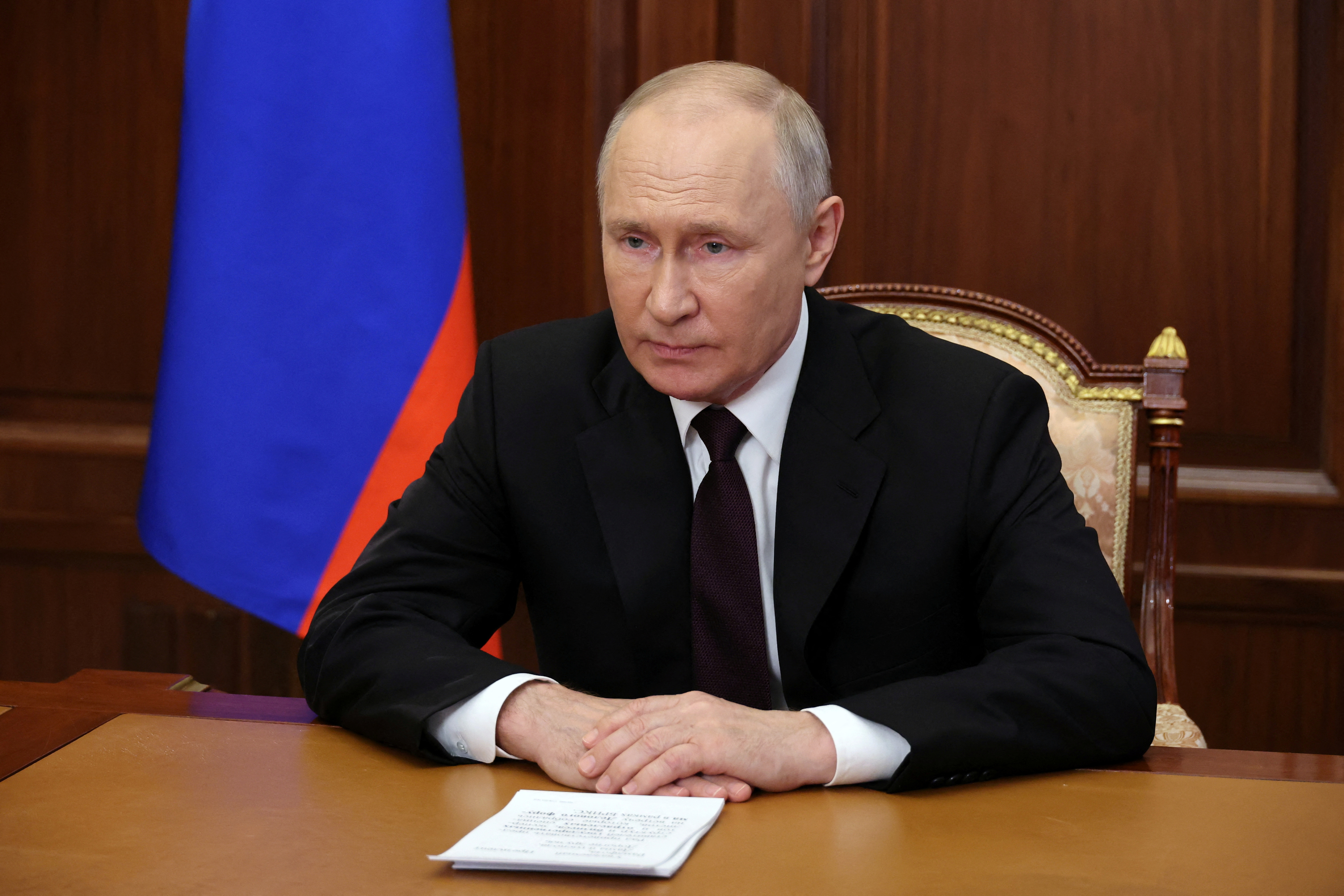
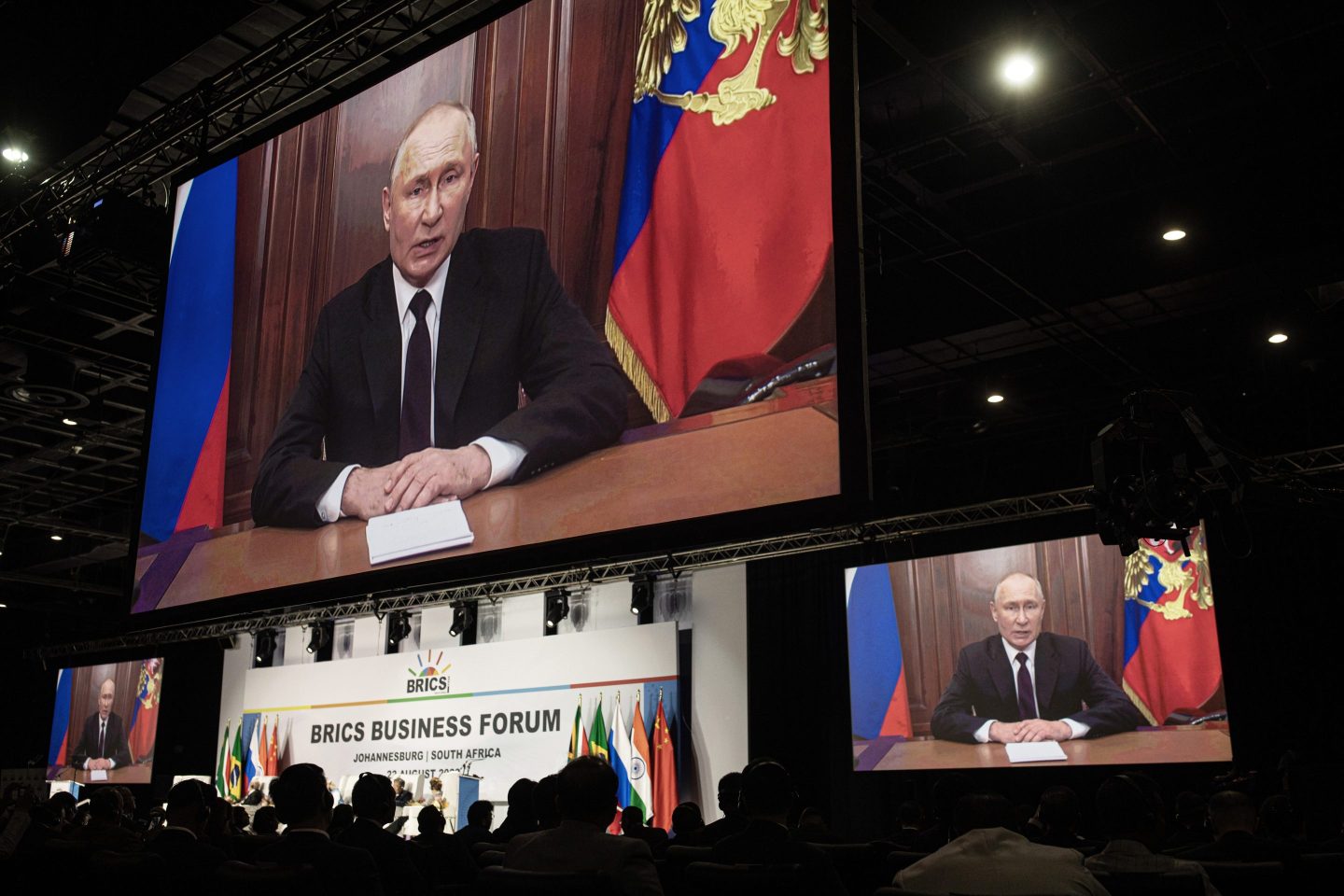
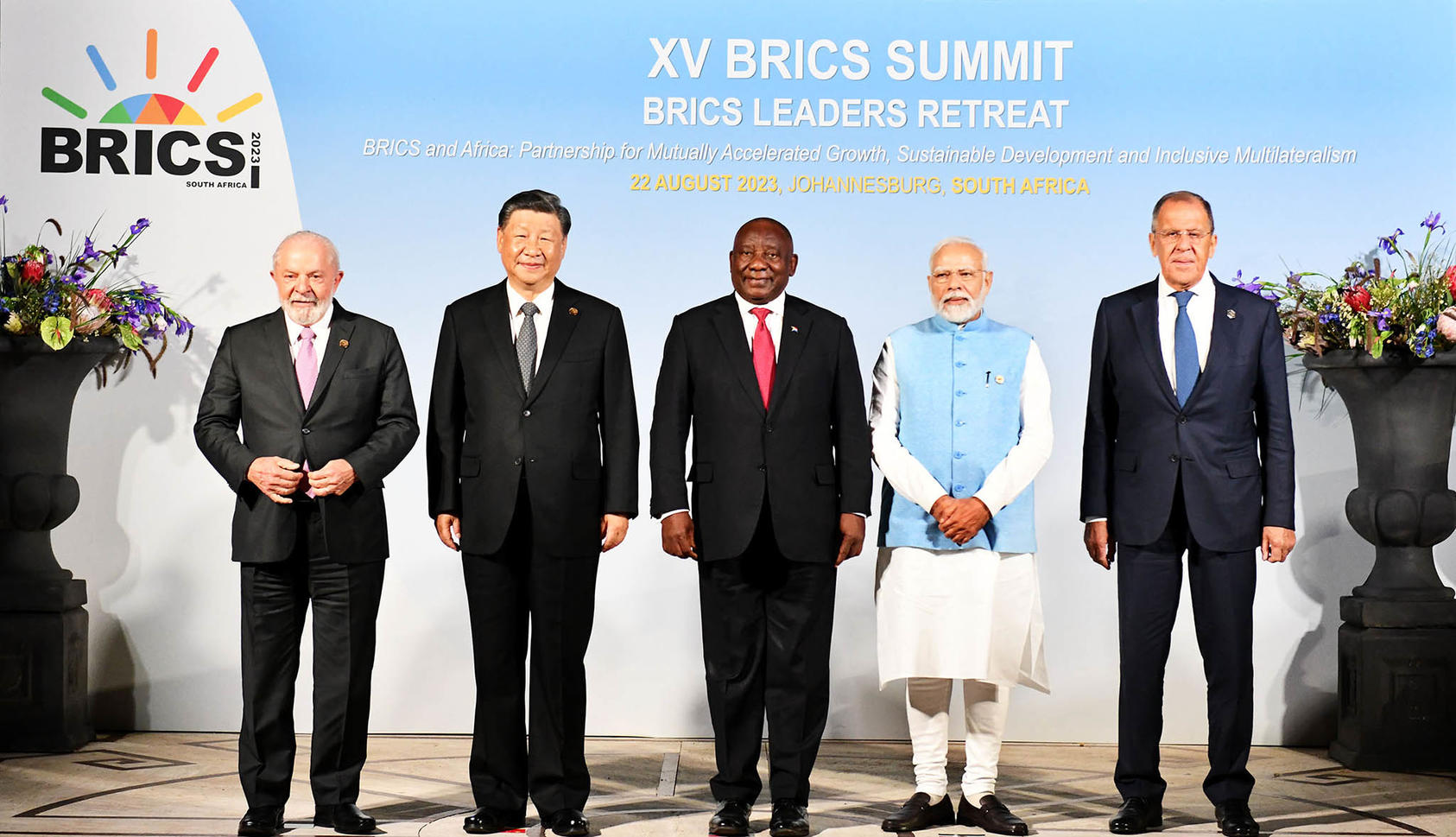
President Vladimir Putin has consistently emphasized the importance of BRICS in fostering economic synergy among member nations. He views the coalition as a vital platform for enhancing trade, investment, and economic cooperation, thus contributing to global economic stability.
Vision for Multipolarity
Putin envisions BRICS as a cornerstone in establishing a multipolar world where emerging economies have a significant voice. He regards BRICS as crucial for advocating reforms in global governance, thereby ensuring a more balanced distribution of power.
Advocating Innovation and Technology
In his various speeches, Putin has highlighted the potential for collaboration in technology and innovation within BRICS. By pooling resources and expertise, he believes BRICS can drive technological advancements and bolster competitiveness on the global stage.
Putin's perspectives underscore his commitment to strengthening BRICS as a formidable coalition capable of shaping a more equitable and dynamic global economic order. His views reflect a strategic vision that aligns with the broader goals of BRICS, reinforcing its significance and potential for future growth.
Putin's Perspectives on BRICS Importance and Potential
Recognition of Economic Synergy
President Vladimir Putin has consistently emphasized the importance of BRICS in fostering economic synergy among member nations. He views the coalition as a vital platform for enhancing trade, investment, and economic cooperation, thus contributing to global economic stability.
Vision for Multipolarity
Putin envisions BRICS as a cornerstone in establishing a multipolar world where emerging economies have a significant voice. He regards BRICS as crucial for advocating reforms in global governance, thereby ensuring a more balanced distribution of power.
Advocating Innovation and Technology
In his various speeches, Putin has highlighted the potential for collaboration in technology and innovation within BRICS. By pooling resources and expertise, he believes BRICS can drive technological advancements and bolster competitiveness on the global stage.
Putin's perspectives underscore his commitment to strengthening BRICS as a formidable coalition capable of shaping a more equitable and dynamic global economic order. His views reflect a strategic vision that aligns with the broader goals of BRICS, reinforcing its significance and potential for future growth.
Putin's Remarks on Enhancing BRICS Collaboration in Economic and Political Spheres
Economic Collaboration
Putin strongly advocates for deeper economic integration among BRICS members, calling for increased trade and investment flows. He has proposed various initiatives to facilitate this, including the establishment of regional trade zones and the reduction of trade barriers.
Political Unity
In the political realm, Putin emphasizes the need for a coordinated approach to global challenges such as terrorism, climate change, and cybersecurity. He believes that BRICS should leverage its collective strength to influence international policies and promote peace and stability.
Institutional Development
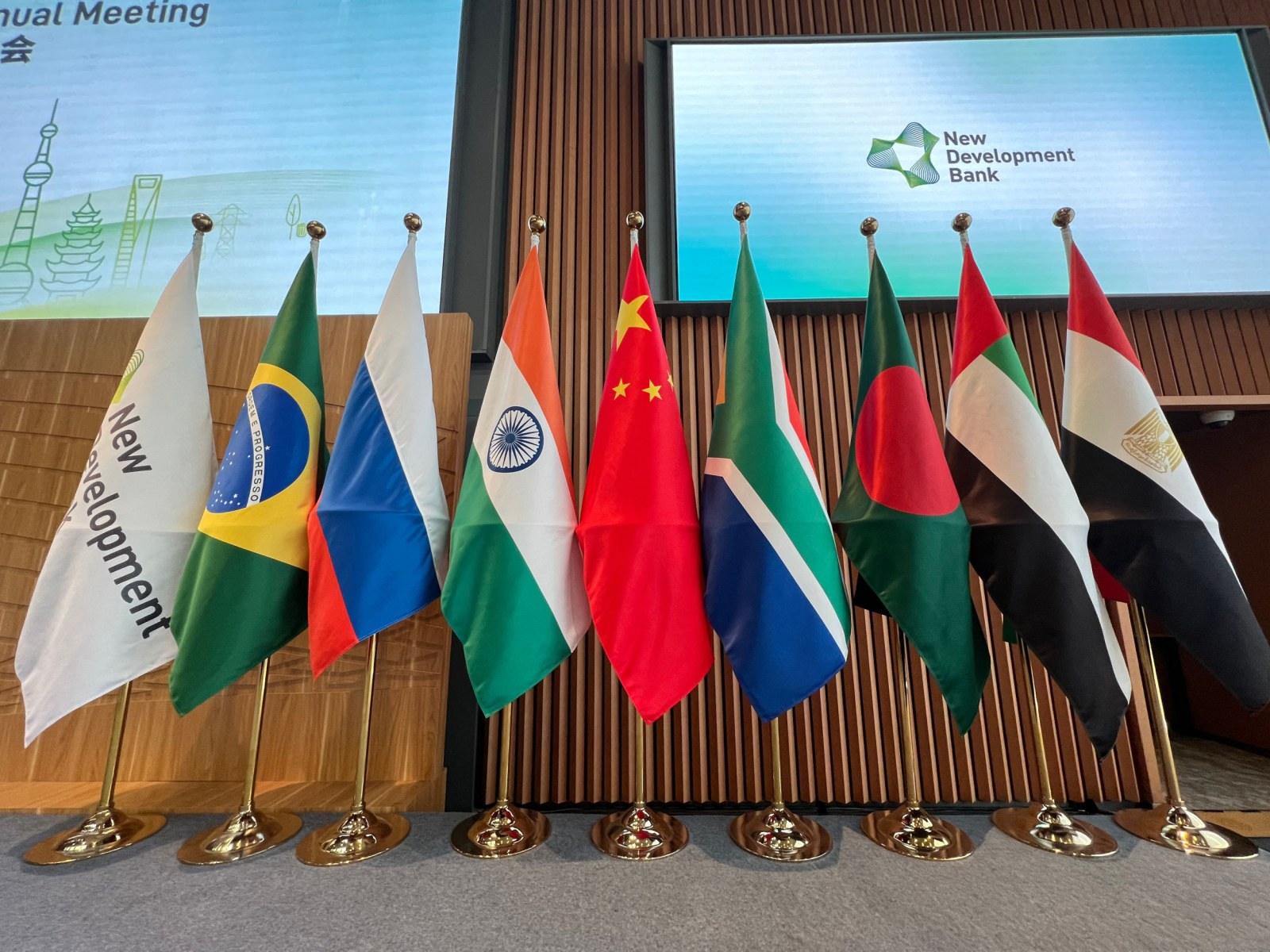
Putin has also stressed the importance of strengthening BRICS's institutional framework. This includes enhancing the roles of the New Development Bank and the Contingent Reserve Arrangement to provide financial stability and development support for member nations.
By focusing on both economic and political collaboration, Putin envisions a more resilient and influential BRICS, capable of driving global change and fostering a more balanced international order. His proactive stance underscores a commitment to leveraging the full potential of BRICS for mutual benefit.
Conclusion
Putin's Remarks on Enhancing BRICS Collaboration in Economic and Political Spheres
Economic Collaboration
Putin strongly advocates for deeper economic integration among BRICS members, calling for increased trade and investment flows. He has proposed various initiatives to facilitate this, including the establishment of regional trade zones and the reduction of trade barriers.
Political Unity
In the political realm, Putin emphasizes the need for a coordinated approach to global challenges such as terrorism, climate change, and cybersecurity. He believes that BRICS should leverage its collective strength to influence international policies and promote peace and stability.
Institutional Development
Putin has also stressed the importance of strengthening BRICS's institutional framework. This includes enhancing the roles of the New Development Bank and the Contingent Reserve Arrangement to provide financial stability and development support for member nations.
By focusing on both economic and political collaboration, Putin envisions a more resilient and influential BRICS, capable of driving global change and fostering a more balanced international order. His proactive stance underscores a commitment to leveraging the full potential of BRICS for mutual benefit.
Assessment of BRICS Impact on the Multilateral Economic Order
Economic Influence
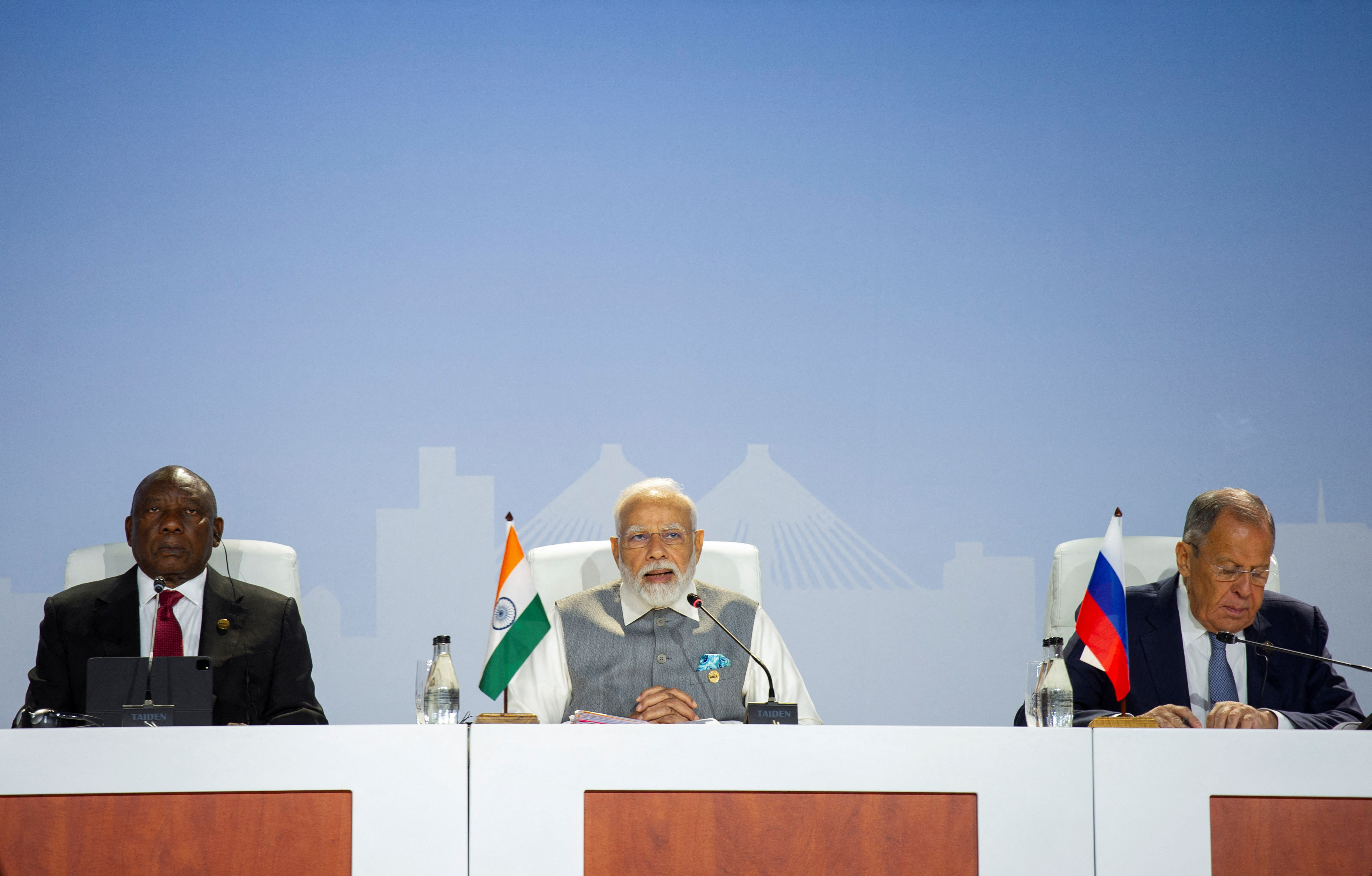
BRICS has significantly reshaped the multilateral economic order by providing an alternative to Western-dominated financial institutions. With the establishment of the New Development Bank, BRICS has offered new funding avenues for infrastructure and sustainable development projects, enhancing economic sovereignty for member nations.
Geopolitical Balance
By advocating for a multipolar world, BRICS challenges the hegemony of traditional global powers. Their unified stance on major international issues ensures that the voices of emerging economies are heard, contributing to a more balanced distribution of global power.
Policy Reforms
BRICS pushes for reforms in institutions like the IMF and the World Bank, urging for greater representation and equity for developing countries. Their influence has already prompted discussions on altering voting structures and decision-making processes within these organizations.
BRICS's concerted efforts have undeniably altered the dynamics of the global economic landscape. They have not only brought more diversity and equality into international economic governance but also set a precedent for future coalitions aiming to tackle global challenges collectively.
Assessment of BRICS Impact on the Multilateral Economic Order
Economic Influence
BRICS has significantly reshaped the multilateral economic order by providing an alternative to Western-dominated financial institutions. With the establishment of the New Development Bank, BRICS has offered new funding avenues for infrastructure and sustainable development projects, enhancing economic sovereignty for member nations.
Geopolitical Balance
By advocating for a multipolar world, BRICS challenges the hegemony of traditional global powers. Their unified stance on major international issues ensures that the voices of emerging economies are heard, contributing to a more balanced distribution of global power.
Policy Reforms
BRICS pushes for reforms in institutions like the IMF and the World Bank, urging for greater representation and equity for developing countries. Their influence has already prompted discussions on altering voting structures and decision-making processes within these organizations.
BRICS's concerted efforts have undeniably altered the dynamics of the global economic landscape. They have not only brought more diversity and equality into international economic governance but also set a precedent for future coalitions aiming to tackle global challenges collectively.
Future Prospects for BRICS Cooperation and Influence
Expanding Membership
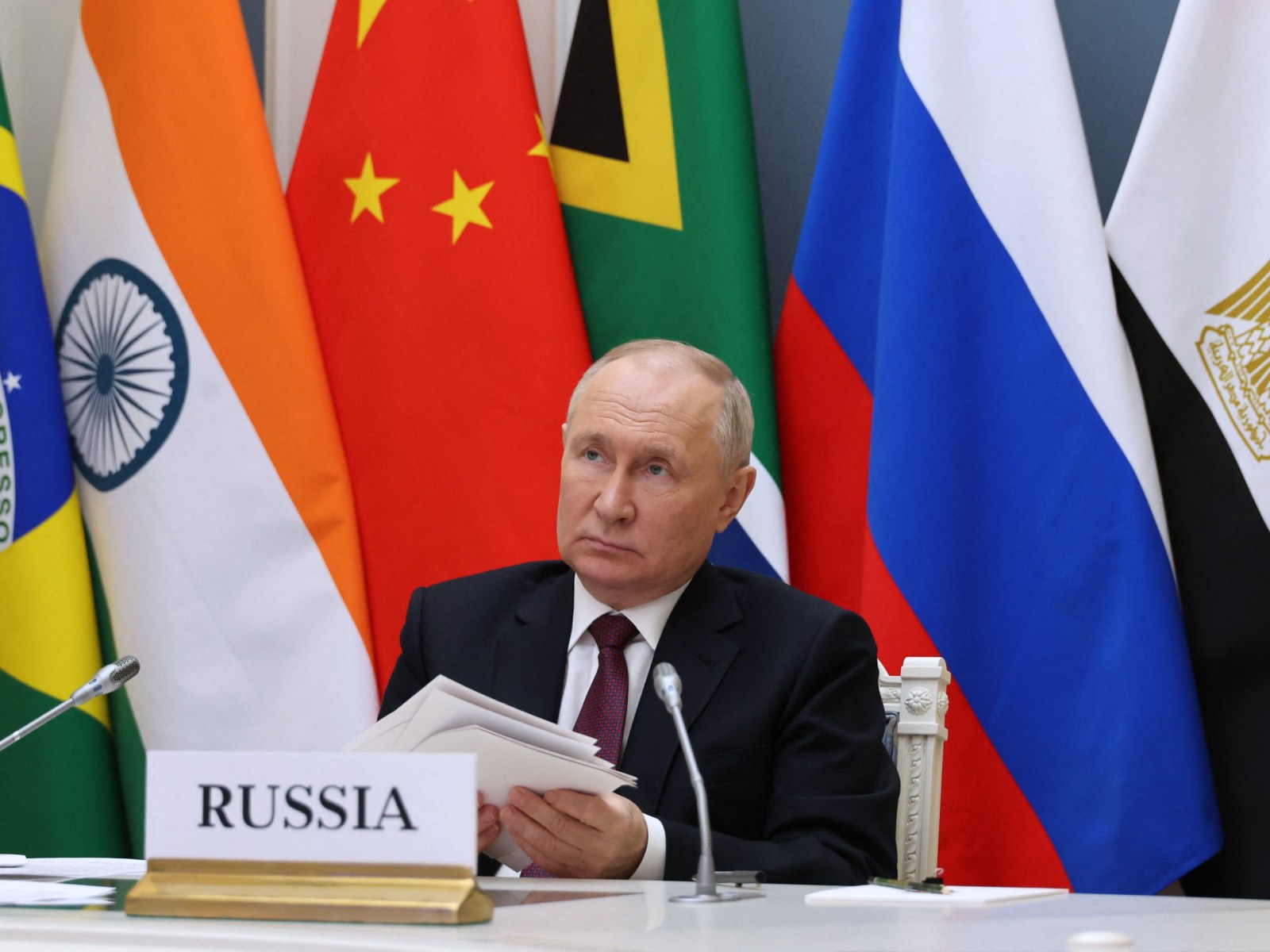
Looking ahead, BRICS may consider expanding its membership to include other emerging economies. This enlargement could bolster the coalition's economic power and broaden its geographic reach, potentially creating a more inclusive global platform for economic cooperation.
Technological Innovation
Tech and innovation will likely be at the forefront of BRICS's future agenda. By collaborating on digital transformation, artificial intelligence, and sustainable technologies, member countries can enhance their competitiveness and drive global technological advancements.
Strengthening Financial Mechanisms
Enhancing financial cooperation through the New Development Bank and similar initiatives will remain a priority. Strengthening these financial mechanisms can provide more robust support for member countries, fostering economic stability and development.
Global Policy Influence
As BRICS continues to augment its influence, it will play an increasingly pivotal role in global policy formation. Leveraging their collective strength, BRICS nations can advocate for fairer trade practices, equitable resource distribution, and comprehensive climate actions.
With these prospects, BRICS is poised to further solidify its position as a key player in the multilateral economic order. Their expanding influence and continued collaboration will likely drive significant changes in global economic and political landscapes, paving the way for a more balanced and inclusive world order.
Frequently Asked Questions
Future Prospects for BRICS Cooperation and Influence
Expanding Membership
Looking ahead, BRICS may consider expanding its membership to include other emerging economies. This enlargement could bolster the coalition's economic power and broaden its geographic reach, potentially creating a more inclusive global platform for economic cooperation.
Technological Innovation
Tech and innovation will likely be at the forefront of BRICS's future agenda. By collaborating on digital transformation, artificial intelligence, and sustainable technologies, member countries can enhance their competitiveness and drive global technological advancements.
Strengthening Financial Mechanisms
Enhancing financial cooperation through the New Development Bank and similar initiatives will remain a priority. Strengthening these financial mechanisms can provide more robust support for member countries, fostering economic stability and development.
Global Policy Influence
As BRICS continues to augment its influence, it will play an increasingly pivotal role in global policy formation. Leveraging their collective strength, BRICS nations can advocate for fairer trade practices, equitable resource distribution, and comprehensive climate actions.
With these prospects, BRICS is poised to further solidify its position as a key player in the multilateral economic order. Their expanding influence and continued collaboration will likely drive significant changes in global economic and political landscapes, paving the way for a more balanced and inclusive world order.
Common Queries About BRICS, Its Significance, and Putin’s Remarks
What Is BRICS?
BRICS is an acronym for a coalition of five major emerging economies: Brazil, Russia, India, China, and South Africa. The coalition focuses on fostering economic growth, financial cooperation, and global governance reforms.
Why Is BRICS Significant?
BRICS collectively represents a substantial portion of global GDP, trade, and investment flows. The coalition's influence extends beyond economic dimensions to political and strategic arenas, advocating for a more equitable global order.
What Are Putin's Views on BRICS?
President Vladimir Putin views BRICS as a vital platform for enhancing economic and political cooperation among emerging economies. He emphasizes the importance of economic synergy, technological collaboration, and global governance reforms.
How Does BRICS Impact Global Policies?
BRICS plays a crucial role in global governance by advocating for reforms in international institutions like the IMF and World Bank. Their collective stance on major global issues ensures that the voices of emerging economies are heard.
What's the Future Outlook for BRICS?
BRICS is expected to expand its membership, focus on technological innovation, enhance financial mechanisms, and continue to influence global policies. These efforts aim to foster a more inclusive and balanced international economic order.
These common queries highlight the key aspects of BRICS, its global significance, and the perspectives of influential leaders like Putin, making it clear why BRICS continues to be a focal point in discussions on global economic and political governance.