The History of the Hungarian Grand Prix
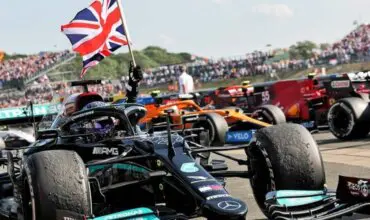
Origins of the Hungarian Grand Prix
The Hungarian Grand Prix, a pivotal event in the Formula One calendar, boasts a rich history dating back to its first race in 1986. Nestled in Mogyoród, near Budapest, the Hungaroring circuit was constructed in just eight months. The idea of hosting a Formula One race in Hungary emerged during the mid-1980s when the country, still under communist rule, sought to boost its international image.With its inception, the Hungarian Grand Prix became the first Formula One race to be held behind the Iron Curtain, signifying a blend of sportsmanship and diplomacy. The choice of Hungary was strategic; its central European location made it accessible to fans from both Western and Eastern Europe, bridging a region divided by politics but united by a passion for motorsports.
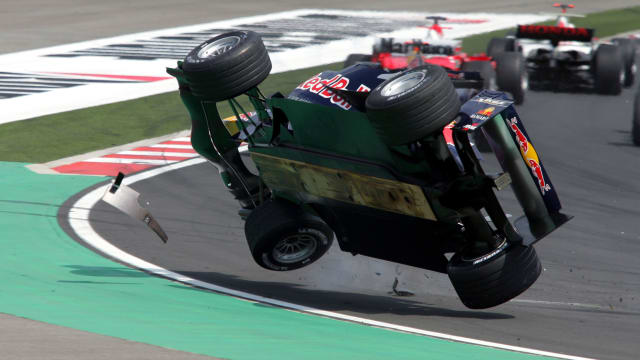
Memorable Moments at the Hungaroring Circuit
The Hungaroring circuit has been the stage for numerous unforgettable moments in Formula One history. One such event was the 1997 Hungarian Grand Prix, where Damon Hill, driving for the modest Arrows team, almost clinched a miraculous victory. His outstanding performance in an underdog car demonstrated the unpredictable and thrilling nature of the sport.Another iconic moment occurred in 2006 when Jenson Button secured his first-ever Formula One victory in a dramatic wet-dry race. Starting from the 14th position, Button showcased remarkable skill and strategic acumen to take the win amidst changing conditions. Similarly, Lewis Hamilton's 2013 victory, his first with Mercedes, marked the beginning of a new era of dominance for the British driver.Each of these moments cements Hungaroring's reputation as a circuit where strategy and skill converge, delivering excitement and memorable races year after year.
Drivers and Teams
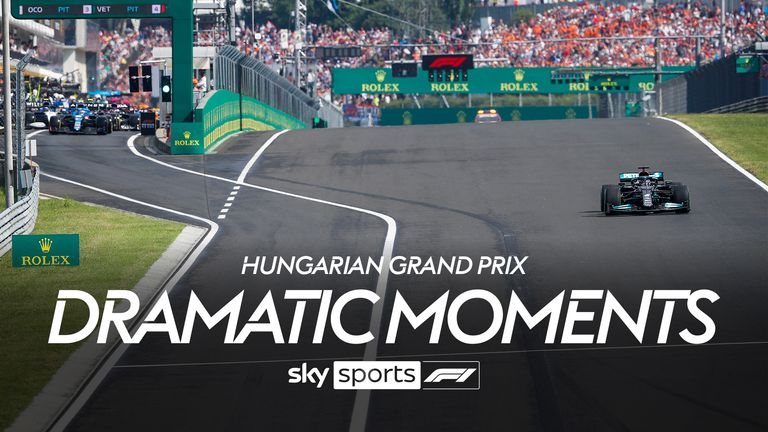
Top Drivers to Watch at the Hungarian Grand Prix
The Hungarian Grand Prix consistently attracts some of the most formidable talents in Formula One, making it a must-watch event. Lewis Hamilton stands out among these elite drivers, boasting multiple victories at Hungaroring. His mastery of the circuit's tight and twisty layout showcases his technical prowess and experience.Another driver to watch is Max Verstappen, whose aggressive driving style and strategic brilliance have earned him several podium finishes. Verstappen's ability to navigate complex circuits and adapt to varying race conditions makes him a formidable competitor.Charles Leclerc, representing Ferrari, also commands attention. Known for his exceptional qualifying performances and race-day resilience, Leclerc’s drive adds an element of unpredictability. Each of these drivers brings unique strengths, ensuring a captivating and competitive race at the Hungarian Grand Prix.
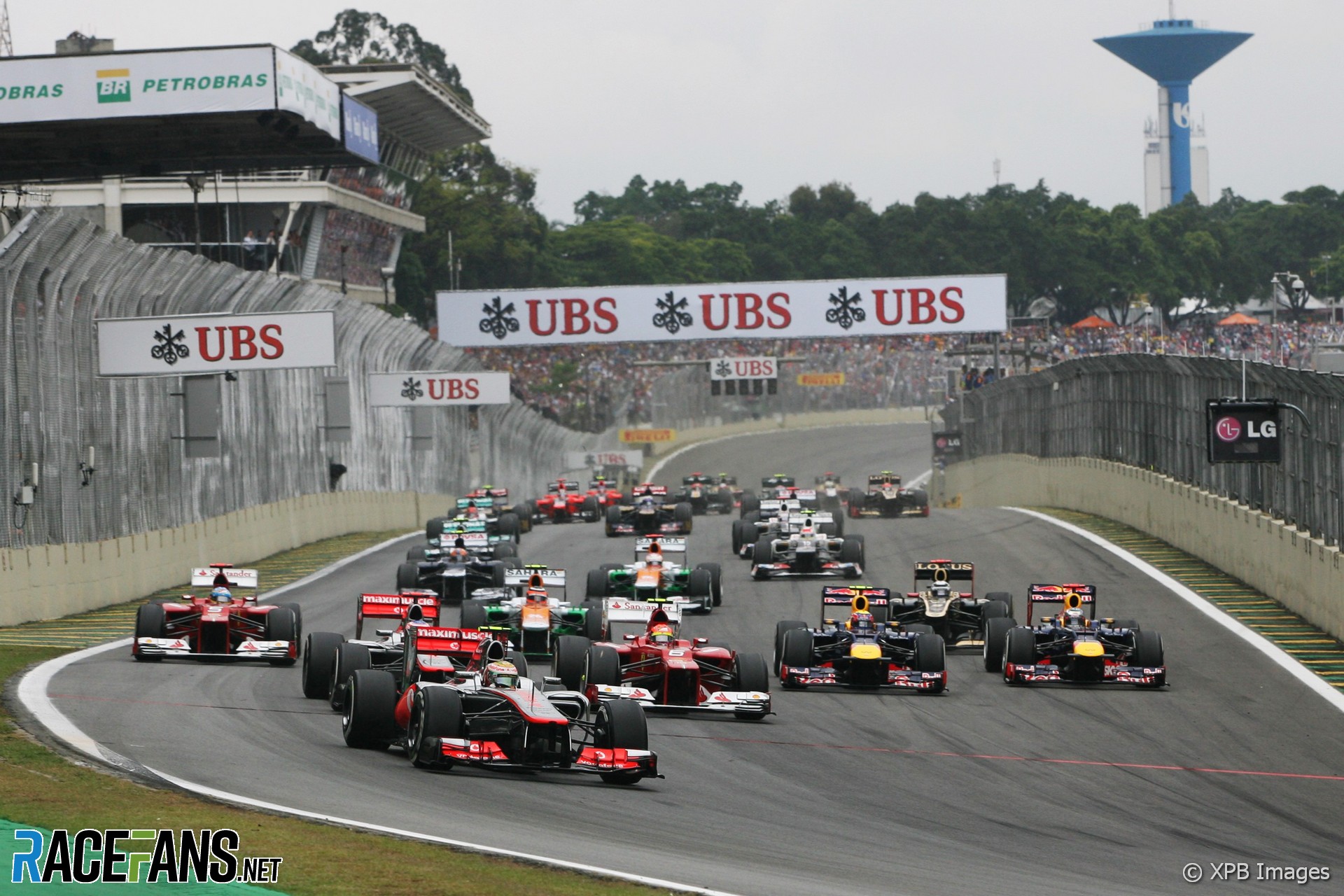
Team Rivalries and Strategies on the Track
The Hungarian Grand Prix is often a battleground for intense team rivalries and sophisticated strategies. Mercedes and Red Bull Racing frequently find themselves at the forefront of these duels. Mercedes’ dominance, driven by their superior engineering and strategic acumen, is often challenged by Red Bull's innovative approach and dynamic driver lineup.Ferrari, another historic competitor, leverages their extensive experience and passionate fan base to mount serious challenges on the track. Strategic pit stops, tire management, and real-time decision-making are critical at Hungaroring due to its tight and technical layout. The circuit's limited overtaking opportunities mean that qualifying performances and race day strategies are crucial.These rivalries and strategic maneuvers keep audiences on the edge of their seats, as teams vie not only for victory but also for valuable championship points, adding layers of excitement and complexity to the Hungarian Grand Prix.
The Thrilling Race Experience
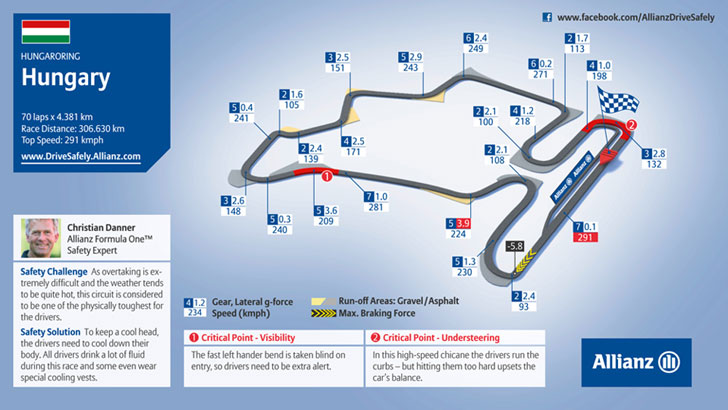
Circuit Layout and Key Sections at the Hungaroring
The Hungaroring circuit is renowned for its challenging layout, featuring 14 turns over a 4.381-kilometer track. Often referred to as a "twisty" circuit, its configuration demands precision and skill from drivers. The slow-speed corners and short straights require expert handling and strategic prowess to navigate effectively.Key sections include Turn 1, a tight right-hander that often sets the stage for overtaking maneuvers, especially at the start of the race. This is followed by the sweeping left-hand Turn 2, which requires impeccable car balance. The chicane at Turns 6 and 7 presents another notable challenge, where braking stability is crucial.The final sector, comprising Turns 13 and 14, focuses on technical proficiency and setup balance. Each section of the Hungaroring tests different aspects of a car's performance and a driver's skill, making it a circuit where strategic decisions play a pivotal role in the race's outcome.

Weather Conditions and Their Impact on the Race
Weather conditions at the Hungarian Grand Prix often play a crucial role in determining race outcomes. Situated in Mogyoród, the Hungaroring can experience extreme weather variations, from scorching summer heat to sudden rain showers. These conditions present unique challenges for both drivers and teams, impacting car performance and strategic decisions.In dry and hot conditions, tire degradation becomes a significant concern. The circuit's abrasive surface combined with high temperatures can lead to increased tire wear, necessitating multiple pit stops and precise tire management. On the other hand, wet conditions bring about an entirely different set of challenges. Rain can drastically reduce visibility and grip, making the already technical track even more treacherous.Weather unpredictability requires teams to remain flexible and adapt their strategies in real-time. This dynamic environment adds an extra layer of excitement and complexity, ensuring that the Hungarian Grand Prix remains an unpredictable and thrilling spectacle year after year.
Spectator Experience and Atmosphere
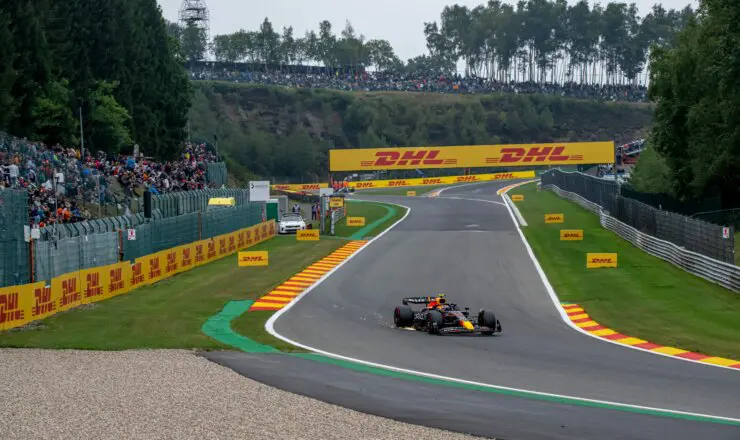
Fan Activities and Entertainment at the Hungarian Grand Prix
The Hungarian Grand Prix offers a vibrant array of fan activities and entertainment, making it a magnet for motorsport enthusiasts. The event is not just about the race; it’s a full weekend experience with activities catering to fans of all ages. The Fan Zone is a central attraction, featuring interactive exhibits, simulators, and merchandise stalls, allowing fans to engage with the latest in racing technology and memorabilia.Autograph sessions with drivers provide a unique opportunity for fans to get up close with their racing heroes. Live music performances and DJ sets ensure that the atmosphere remains electric throughout the event. Additionally, food and beverage stalls offer a taste of local and international cuisine, enhancing the overall experience.These activities transform the Hungarian Grand Prix into more than just a sporting event, making it a celebration of speed, skill, and community spirit. Fans leave with lasting memories, reinforcing their passion for Formula One and creating anticipation for future Grand Prix weekends.
Cultural Highlights of Hungary Showcased During the Event
The Hungarian Grand Prix not only showcases thrilling motorsport action but also serves as a cultural exposition of Hungary’s rich heritage. Attendees are treated to an array of traditional Hungarian music and dance performances, providing an immersive experience into the country's cultural vibrancy. These performances often take place in dedicated cultural zones around the circuit, adding an authentic local flavor to the international event.Local artisans and craftsmen display their work in art and craft stalls, featuring handmade souvenirs, intricate textiles, and traditional pottery. Culinary delights are also a highlight, with food stalls offering iconic dishes such as goulash, chimney cake (kürtőskalács), and pálinka, Hungary's famed fruit brandy. These culinary offerings give visitors a taste of Hungarian cuisine, celebrated for its unique flavors and hearty nature.By integrating these cultural elements, the Hungarian Grand Prix transcends its identity as merely a sporting event. It becomes a comprehensive cultural showcase, allowing international visitors to experience and appreciate the historical and cultural richness of Hungary, thereby fostering a deeper connection between the sport and the host country.
Past Champions and Iconic Moments
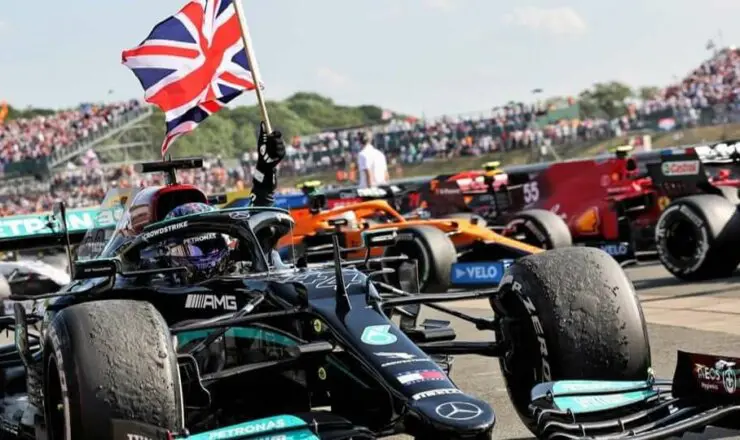
Legendary Winners of the Hungarian Grand Prix
Throughout its history, the Hungarian Grand Prix has seen numerous legendary winners who have left an indelible mark on the sport. Lewis Hamilton stands out as one of the most successful drivers at Hungaroring, with multiple victories that underscore his dominance and mastery of the circuit. His consistent performances have made him a fan favorite and a benchmark for excellence.Another iconic winner is Ayrton Senna, whose victories in the late 80s and early 90s are still celebrated. Senna's ability to extract maximum performance from his car, often in challenging conditions, showcased his extraordinary talent and tenacity. Similarly, Michael Schumacher's triumphs in Hungary during his career cemented his status as one of the greatest drivers in Formula One history.These legendary winners have each contributed to the legacy of the Hungarian Grand Prix, elevating the event's prestige and solidifying its reputation as a venue where extraordinary talent converges with strategic brilliance. Their achievements continue to inspire new generations of drivers and fans alike, making the Hungarian Grand Prix a cornerstone of the Formula One calendar.
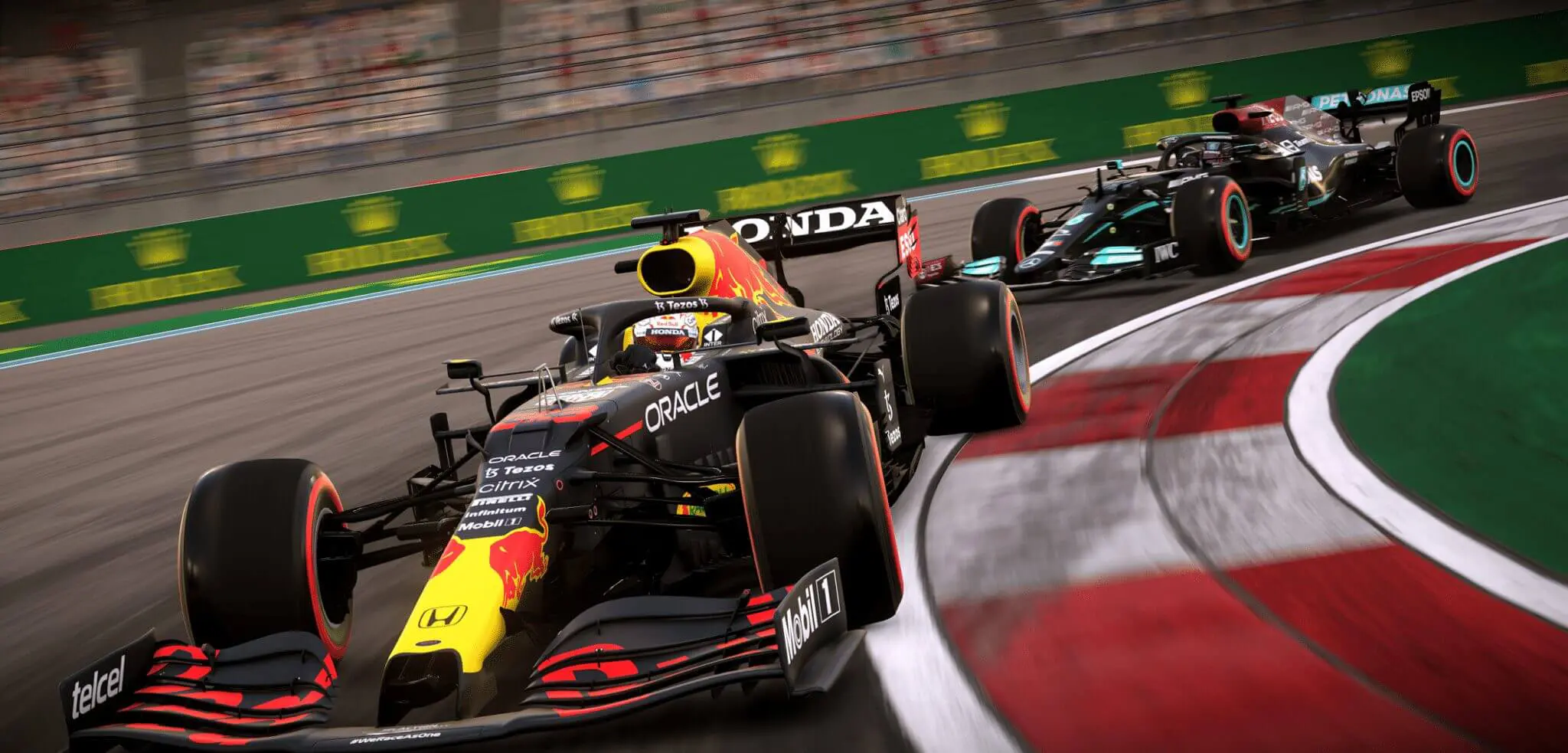
Iconic Races and Controversies in the History of the Event
The Hungarian Grand Prix has a storied history filled with iconic races and notable controversies that have shaped its reputation. One of the most memorable races occurred in 1997 when Damon Hill, driving for the underdog Arrows team, led the race until mechanical issues in the final laps denied him a stunning victory. This race is often cited as a testament to the unpredictability and drama that Formula One can deliver.In more recent history, the 2021 Hungarian Grand Prix was marked by a chaotic start involving multiple collisions, leading to a red flag. The race's restart saw Esteban Ocon claim his maiden victory for Alpine, a remarkable feat that highlighted the element of surprise that Hungaroring can introduce.Controversies have also found their place in the annals of the Hungarian Grand Prix. The 2007 incident involving Fernando Alonso and Lewis Hamilton in qualifying, where Alonso's actions in the pit lane led to penalties, is one such example. These moments of tension and drama add complexity to the event, enriching its narrative and making it a must-watch race in the Formula One calendar.These iconic races and controversies serve to enhance the Hungarian Grand Prix’s allure, ensuring it remains a focal point for fans and teams alike, where anything can happen and legends are made.
Conclusion
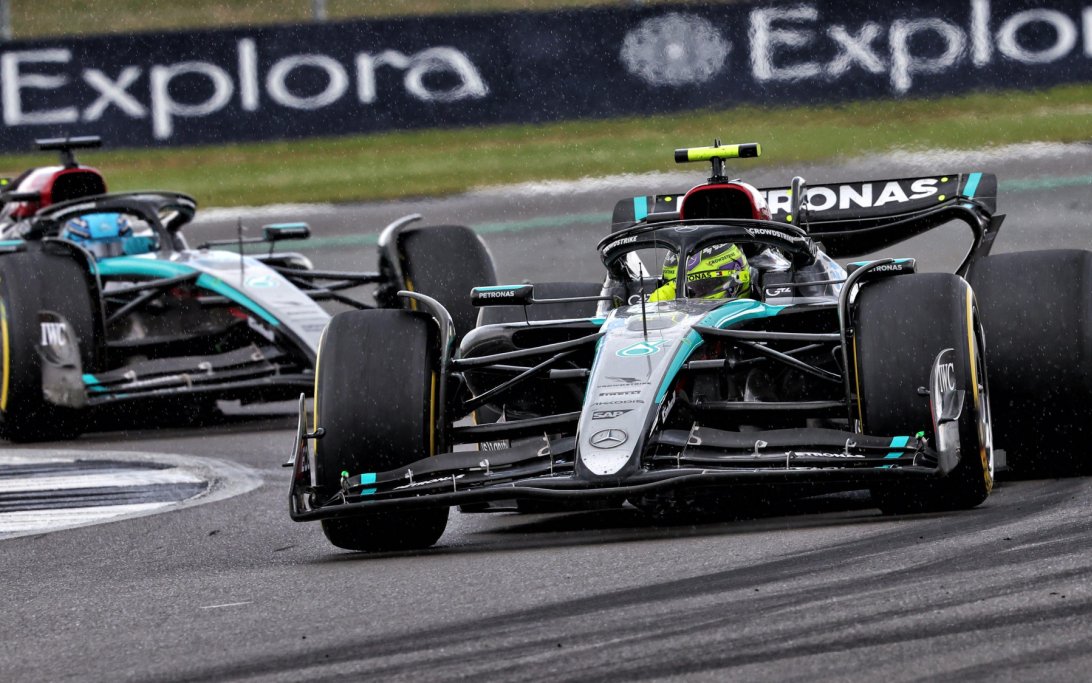
Recap of the Heart-Pounding Action from the Hungarian Grand Prix
The Hungarian Grand Prix consistently delivers heart-pounding action, thrilling spectators with its blend of strategy, skill, and unpredictability. Each year, the event showcases intense battles, with drivers pushing their limits on the challenging Hungaroring circuit. The tight and twisty track layout ensures close racing, often leading to breathtaking overtakes and defensive maneuvers that keep fans on the edge of their seats.Key moments from recent races highlight the dynamic nature of the event. For example, Lewis Hamilton's masterful performances, marked by strategic brilliance and flawless execution, have often shifted the championship momentum. Equally captivating was Esteban Ocon’s unexpected victory in 2021, which underscored the race’s capacity for surprises and upsets.The combination of driver skill, team strategies, and the circuit's unique characteristics creates a compelling spectacle that epitomizes the essence of Formula One. Each Hungarian Grand Prix adds new chapters to its storied history, leaving fans eagerly anticipating the next installment of racing drama and action. This continuous cycle of exhilarating races solidifies the Hungarian Grand Prix as a cornerstone of the motorsport calendar.

Anticipation for Future Editions and the Excitement They Bring
Anticipation is always high for future editions of the Hungarian Grand Prix, as each year promises new excitement and unpredictability. The unique characteristics of the Hungaroring, coupled with evolving team dynamics and driver rivalries, ensure that the race remains a focal point for fans and participants alike. Teams constantly innovate to gain an edge, and drivers hone their skills to master the challenging circuit, making each edition a fresh and thrilling experience.The upcoming seasons are set to introduce new technologies and regulations, which will undoubtedly add layers of complexity and intrigue. Fans eagerly await how these changes will impact race strategies and overall performance, heightening the excitement. Additionally, the potential rise of new talents and the continuous battles among established champions promise to deliver captivating narratives.With its rich history and the promise of future innovation, the Hungarian Grand Prix continues to be a highlight of the Formula One calendar. The anticipation for upcoming races is fueled by the event's reputation for delivering high-energy action and memorable moments, ensuring that each edition builds on its legacy while embracing the future of motorsport.