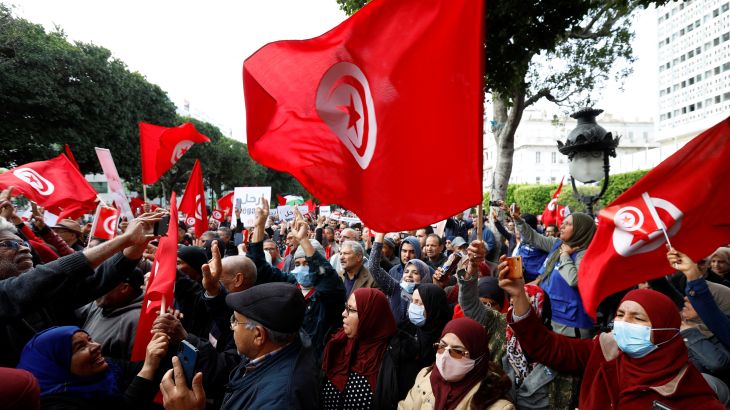
Overview of Political Situation in Tunisia
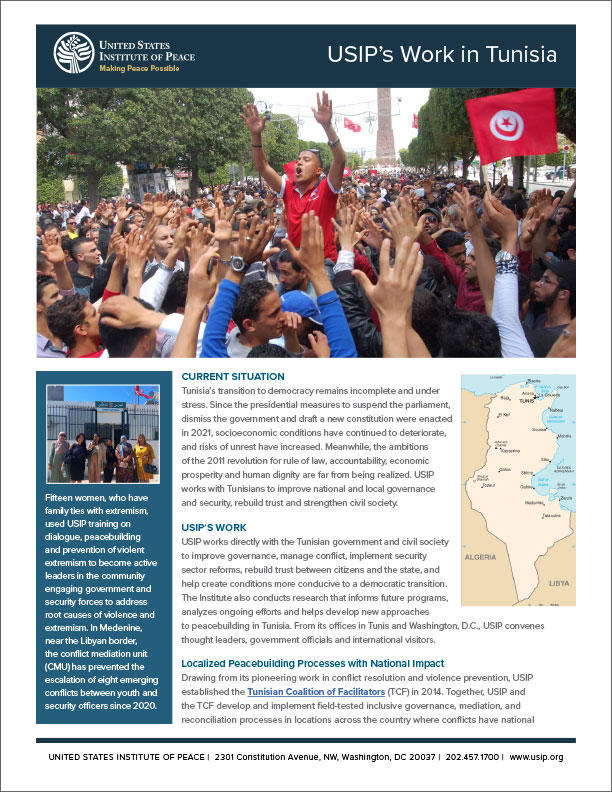
Overview of Political Situation in Tunisia
Political landscape before the election
The political landscape in Tunisia before the election is marked by considerable tension and uncertainty.
A Divided Political Scene
- Tunisia's political scene is highly fragmented, featuring numerous parties and coalitions with conflicting interests.
- The Ennahda Movement, a prominent Islamist party, has a significant influence and numerous adversaries.
- Secular parties have been attempting to challenge Ennahda's dominance, often leading to heated political confrontations.
Social and Economic Discontent
- Economic challenges, including high unemployment and inflation, have exacerbated public discontent.
- Protests and strikes have become more frequent, highlighting the population’s frustration with the current political system.
- Corruption scandals have further dented the public's trust in governmental institutions.
These factors collectively contribute to a volatile pre-election atmosphere, with multiple stakeholders vying for power and influence in an increasingly unstable environment.
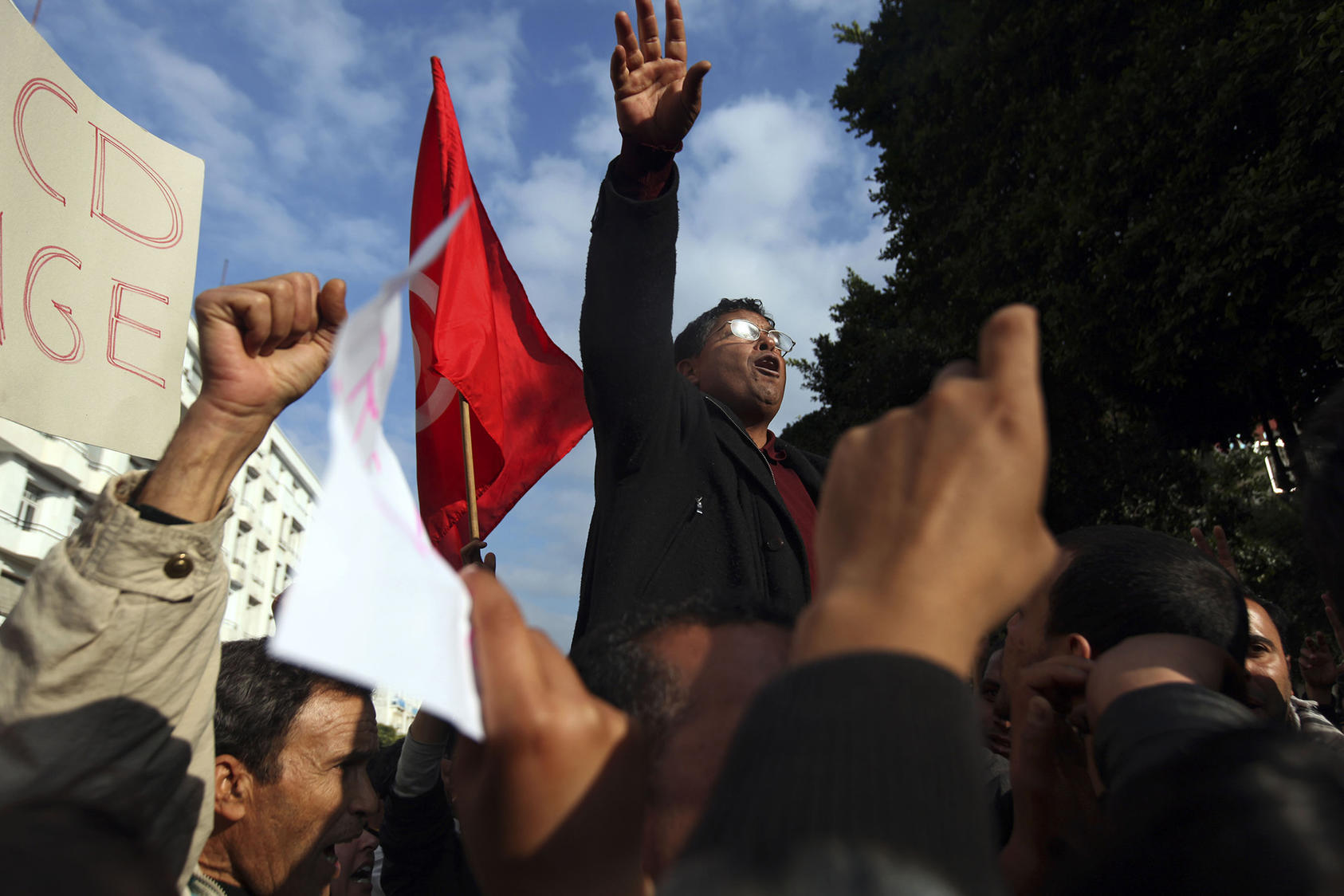
Implications of pre-election tensions in Tunisia
The pre-election tensions in Tunisia have far-reaching implications for the country's stability and future.
Political Instability and Public Mistrust
- Erosion of Democratic Principles: Continuous political infighting threatens the integrity of Tunisia's democratic processes.
- Public Disillusionment: Widespread discontent and lack of faith in political leaders can fuel voter apathy or lead to radical choices at the polls.
Economic Downturn
- Investor Hesitancy: Uncertainty can deter both domestic and foreign investment, exacerbating economic woes.
- Stalled Reforms: Crucial economic reforms are often sidelined as parties focus on electoral gains rather than long-term stability.
Social Divide
- Heightened Social Divide: Tensions can deepen existing societal divides, pitting different groups against each other.
- Risk of Civil Unrest: Prolonged instability may lead to increased protests, strikes, and possibly violent confrontations.
These implications underscore the critical need for inclusive dialogue and effective governance to navigate through this turbulent period.
Ennahda Movement and its Role
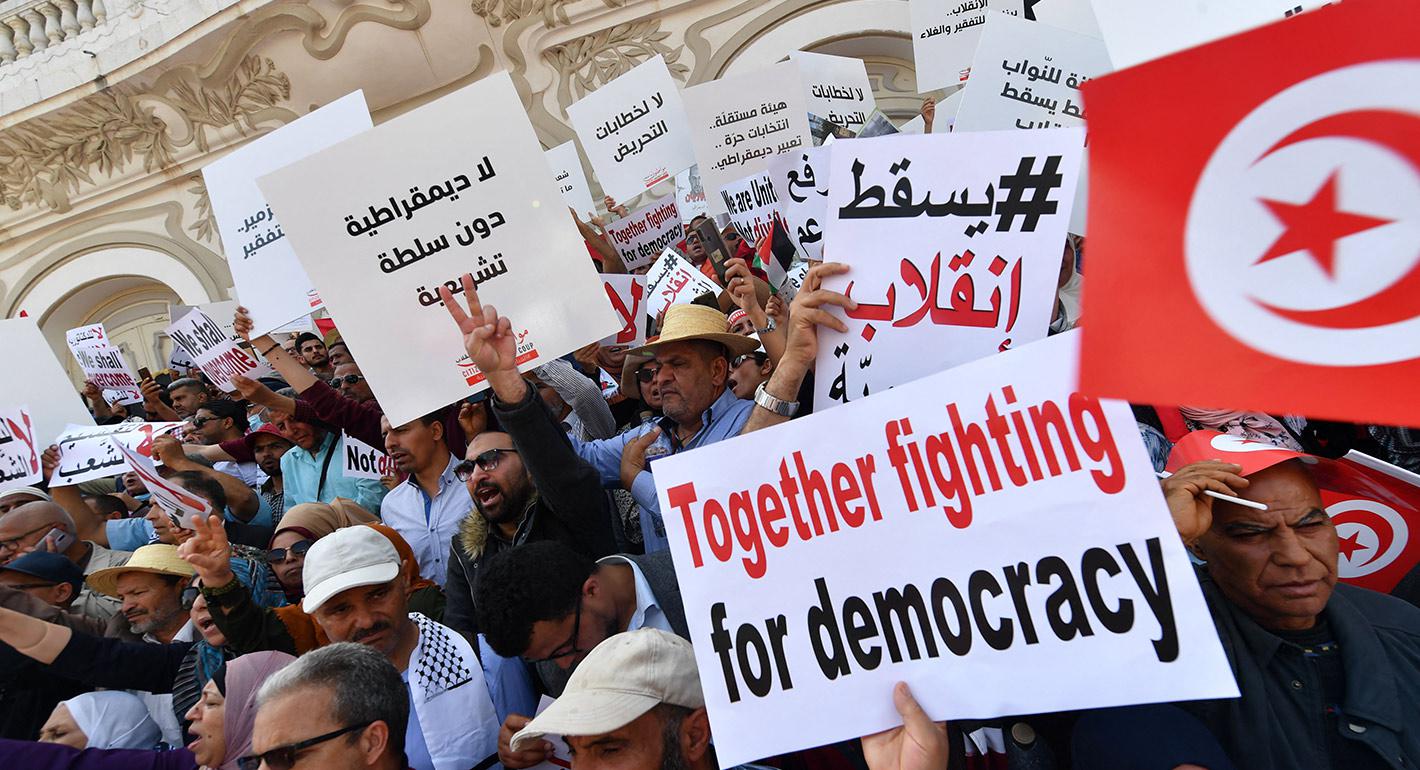
Background of Ennahda Movement
The tensions in Tunisia cannot be fully understood without examining the Ennahda Movement, a key player in the country's political landscape.
Founding and Ideology
- Origins: Founded in 1981 by Rached Ghannouchi, Ennahda is rooted in Islamic principles and advocates for a blend of faith and modern democratic values.
- Political Identity: It positions itself as a moderate Islamist party, promoting political pluralism and social justice.
Role in Post-Revolution Tunisia
- 2011 Revolution: Ennahda played a crucial role in Tunisia's 2011 revolution, which ousted long-standing President Zine El Abidine Ben Ali.
- Election Success: The party won the majority in the first free elections, highlighting its significant support base.
Controversies and Challenges
- Accusations of Extremism: Opponents accuse Ennahda of harboring radical elements, although the party has consistently denounced violence.
- Governance Criticism: Their governance, marked by economic struggles and political crises, has faced severe criticism.
Understanding Ennahda’s history and role is essential to grasp the broader political dynamics in Tunisia.
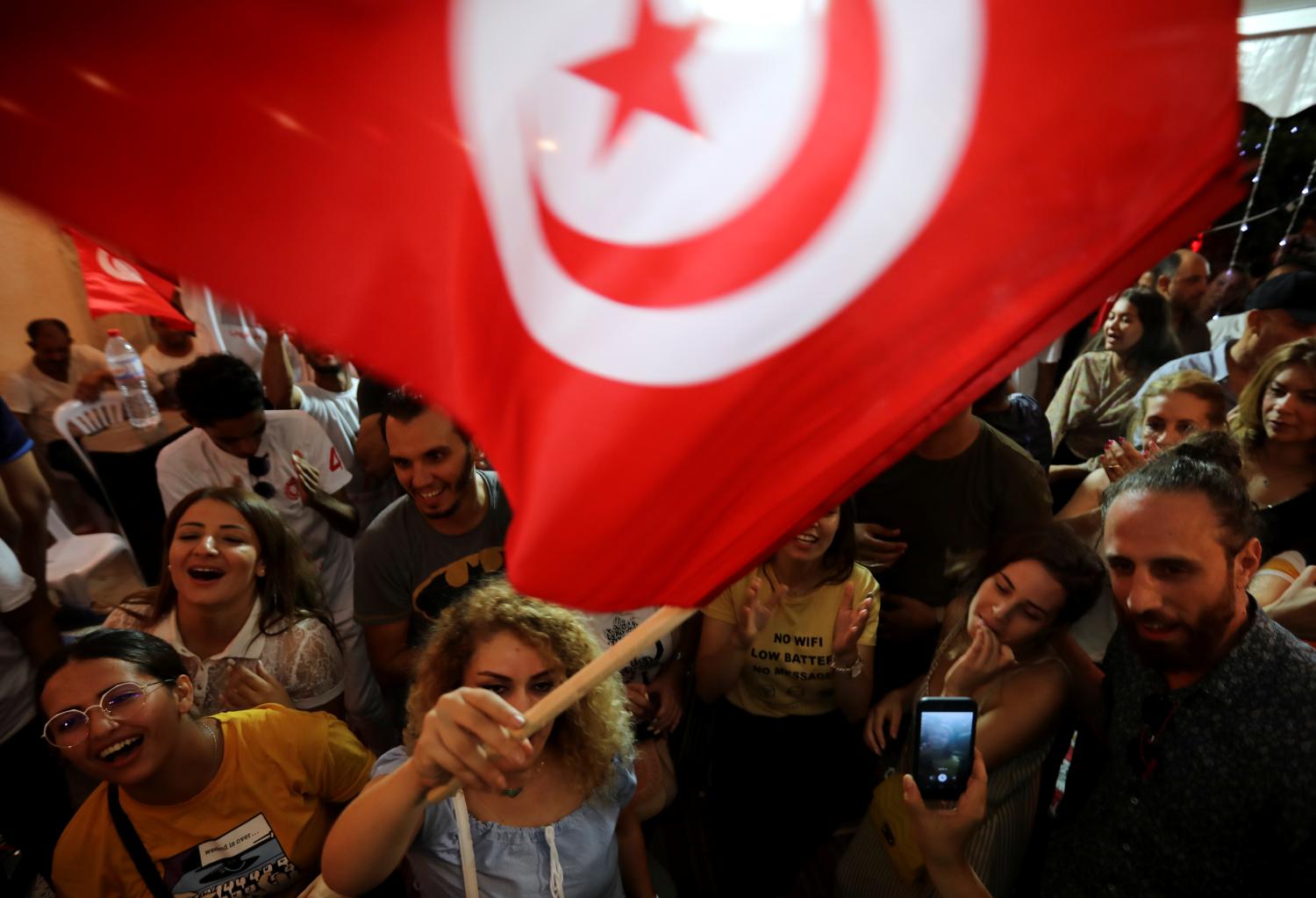
Ennahda's Influence on Political Tensions in Tunisia
Ennahda’s significant role in Tunisia's political landscape directly contributes to the current tensions.
Political Dominance
- Parliamentary Influence: Ennahda’s strong presence in parliament has made it a central figure in legislative decisions.
- Coalition Complexities: Forming coalitions with other parties has often led to intricate power dynamics and, at times, instability.
Contentious Policies
- Economic Decisions: Ennahda’s economic policies have faced criticism, particularly regarding unemployment and inflation.
- Social Issues: Their stance on social issues has sometimes been polarizing, leading to clashes with secular and liberal factions.
Public Perception
- Support Base: Ennahda retains significant grassroots support, leveraging its strong organizational network.
- Opposition: Conversely, there is a substantial segment of the population skeptical of Ennahda’s intentions and governance.
Ennahda’s influential position both represents societal divides and fuels ongoing political tensions, making it a key player to watch in Tunisia’s evolving political scene.
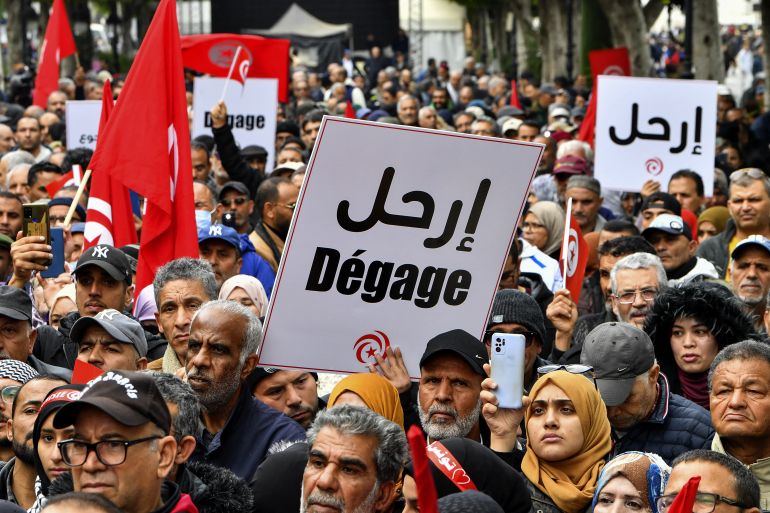
Security Measures Implemented by the Government

Government's Security Measures Prior to the Election
As political tensions escalate, the Tunisian government has implemented several security measures to ensure a stable election process.
Increased Police Presence
- Enhanced Patrols: There has been a significant increase in police patrols in urban areas and potential hotspots for unrest.
- Surveillance: Authorities have bolstered surveillance operations to monitor and preempt any disruptive activities.
Preventive Detentions
- Arrests: Pre-election detentions of individuals suspected of inciting violence or unrest have been conducted.
- Monitoring Political Activities: The government has kept a close eye on political rallies and gatherings to curb any disturbances.
Public Safety Campaigns
- Information Dissemination: Public campaigns have been launched to educate citizens on maintaining peace and security during the election period.
- Emergency Protocols: Protocols for quick response to any potential threats or violence have been put in place.
These security measures are aimed at mitigating risks of violence and ensuring a smooth and peaceful electoral process amidst rising political tensions.
Impact of Security Measures on the Political Climate
The government’s security measures have both positive and negative repercussions on Tunisia's political climate.
Positive Outcomes
- Reduced Violence: The heightened security presence has helped reduce incidents of violence and disorder.
- Public Reassurance: For many citizens, these measures offer a sense of safety and stability during turbulent times.
Negative Repercussions
- Opposition Backlash: Critics argue that the security measures are a guise for suppressing political dissent and freedom.
- Public Distrust: Heavy-handed tactics, such as preventive detentions, may further erode public trust in the government.
Political Divisions
- Polarization: The security measures have contributed to an already polarized political environment, with government supporters and opposition clashing over their necessity and implementation.
- Stifling Debate: The fear of repercussions can stifle free political debate and discourse, crucial for a democratic society.
While these security initiatives aim to maintain order and stability, their implementation can also intensify existing political divides and public skepticism.
International Community's Response
International Reactions to Political Tensions in Tunisia
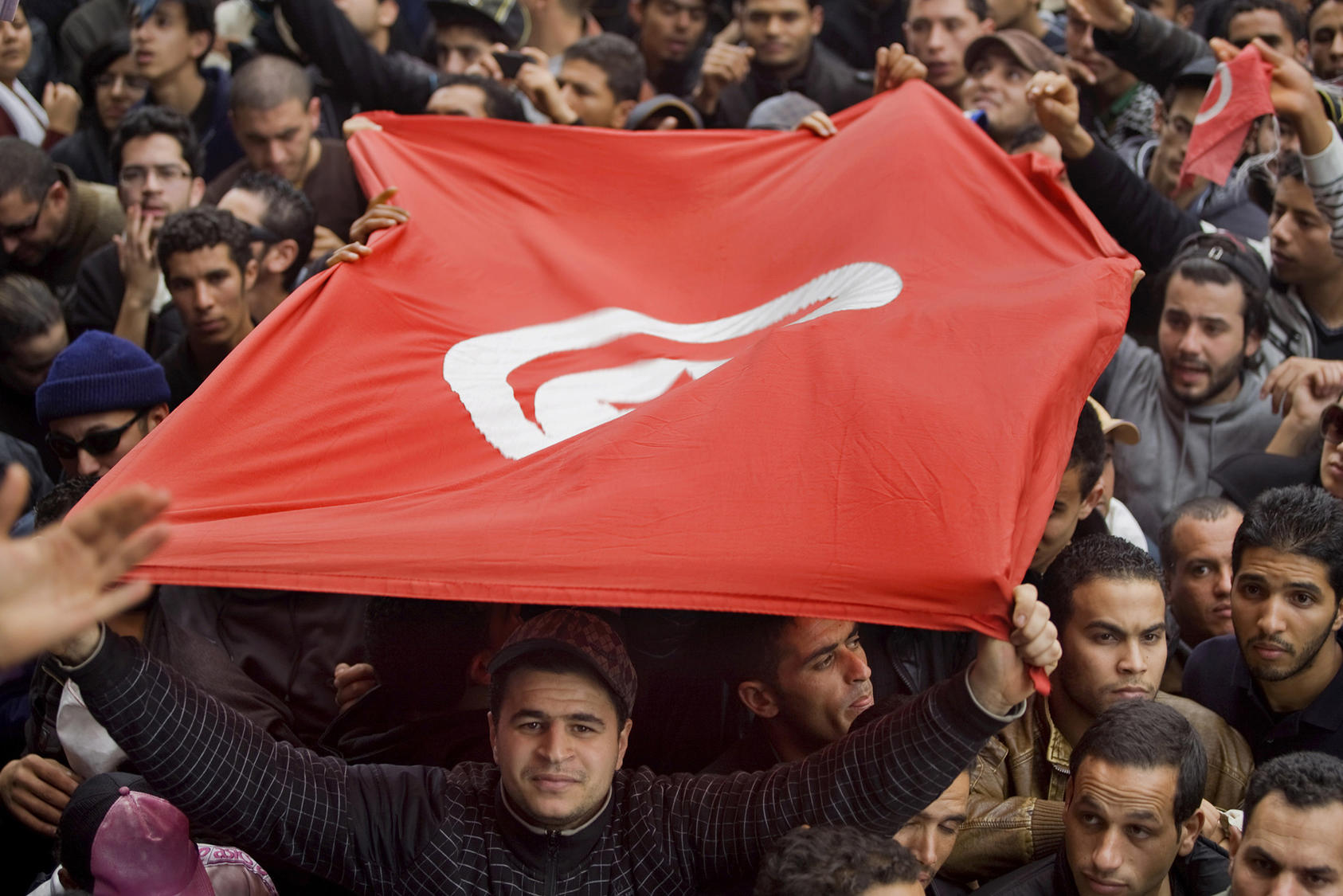
The escalating political tensions in Tunisia have attracted significant attention from the international community, eliciting varied responses.
Diplomatic Concerns
- Caution from Allies: Long-standing allies like the United States and European Union have expressed concerns over the unfolding political situation.
- Calls for Stability: Diplomatic channels have urged the Tunisian government to ensure a peaceful and democratic electoral process.
Monitoring Human Rights
- NGO Reports: International NGOs have been actively monitoring human rights conditions, particularly in the context of security measures and political freedoms.
- Condemnation of Repression: Instances of alleged repression and curtailment of freedoms have sparked condemnation from various human rights organizations.
Financial Aid and Investment
- Economic Warnings: Financial institutions like the IMF and World Bank have warned that continued instability could impact economic aid and investment opportunities.
- Conditional Support: Economic support from international partners is often made conditional on Tunisia maintaining a transparent and fair political environment.
These international reactions highlight the global stake in Tunisia’s stability and democratic integrity, influencing both internal policies and external relations as the nation navigates through its political crisis.
Influence of International Pressure on the Situation
International pressure has played a pivotal role in shaping the political dynamics amidst Tunisia’s pre-election tensions.
Government Accountability
- Increased Scrutiny: International oversight has pushed the Tunisian government to act with greater transparency and accountability.
- Policy Revisions: Adverse reactions from global partners have prompted reconsideration and adjustment of contentious policies and security measures.
Stabilizing Influence
- Economic Leverage: Financial threats or conditional aid have acted as stabilizing forces, compelling the government to prioritize stability over short-term political gains.
- Support for Democratic Protocols: International bodies advocating for adherence to democratic norms have reinforced the importance of a fair, transparent electoral process.
Diplomatic Engagements
- Mediation Efforts: Some countries and organizations have offered to mediate between conflicting political factions to foster dialogue and resolution.
- Pressure Tactics: Diplomatic pressure, combined with potential sanctions, has restrained the government from escalating repressive actions.
The influence of international pressure contributes to steering Tunisia towards a more balanced and democratic political environment, albeit with challenges and resistance from domestic quarters.
Future Implications for Tunisia
Consequences of Escalating Political Tensions
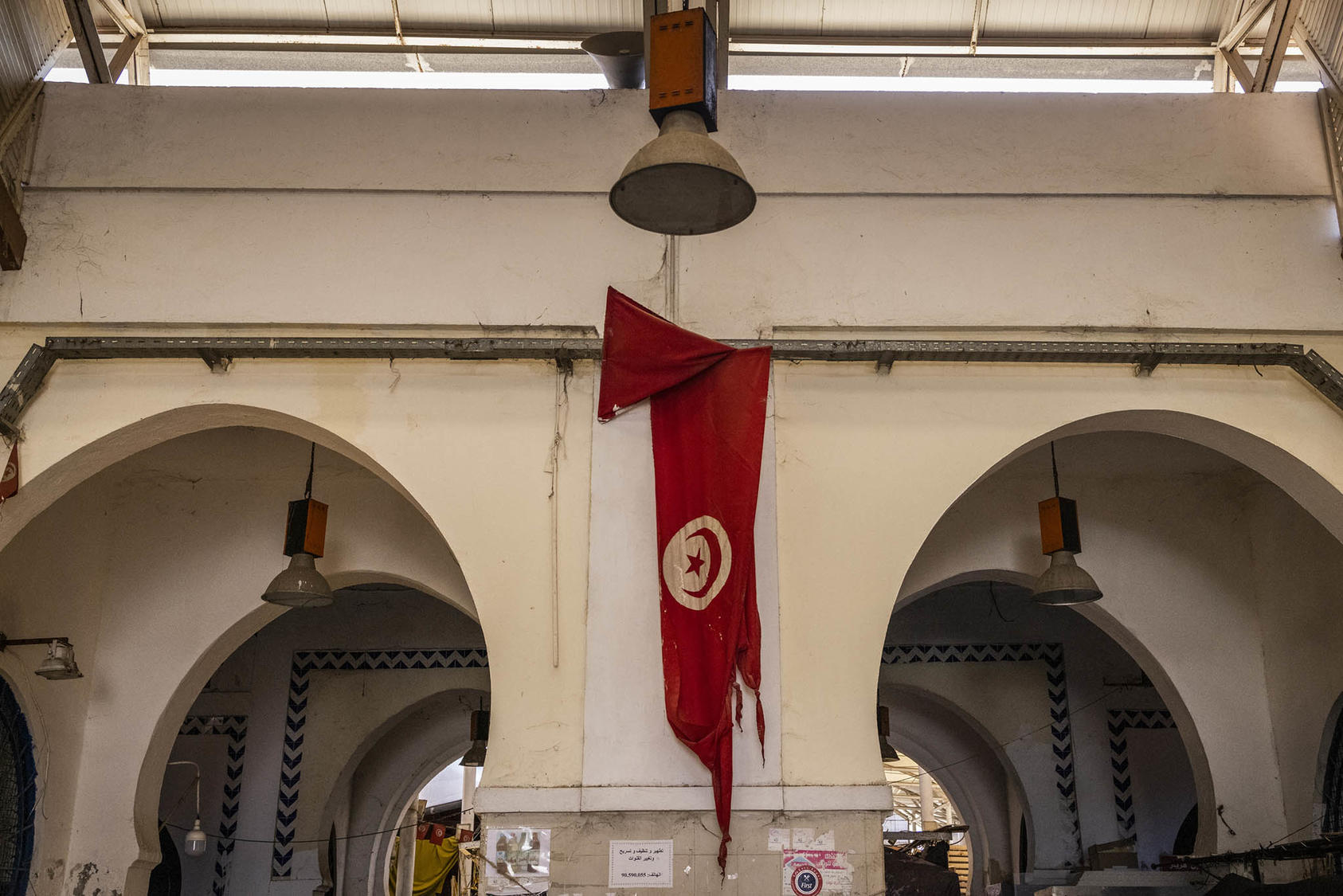
The escalation of political tensions in Tunisia carries significant repercussions that can impact various aspects of the nation.
Socio-Political Instability
- Civil Unrest: Increased tensions can lead to widespread protests, demonstrations, and potentially violent clashes.
- Erosion of Trust: Public confidence in political institutions and leaders may continue to decline, deepening societal divides.
Economic Impact
- Investment Flight: Persistent instability might deter both foreign and domestic investment, exacerbating economic challenges.
- Economic Slowdown: Political uncertainty can hamper economic growth by stalling critical reforms and development projects.
Regional Implications
- Geopolitical Concerns: Instability in Tunisia can have ripple effects on neighboring countries, affecting regional security dynamics.
- Migration Pressures: Heightened tensions and economic difficulties could increase migration flows, impacting border security and international relations.
Governance Challenges
- Policy Paralysis: Ongoing political conflict distracts from effective governance and can paralyze decision-making processes.
- Human Rights Concerns: The government may resort to restrictive measures that undermine democratic freedoms and human rights.
These consequences underscore the urgency for dialogue and resolution to avert further destabilization and set Tunisia on a positive trajectory.

Outlook for Tunisia Post-Election
The post-election period in Tunisia will be crucial for its future trajectory, encompassing both challenges and opportunities.
Potential for Stability
- Political Restructuring: Successful elections can lead to the establishment of a more stable and cohesive government.
- International Support: A peaceful electoral process may attract increased international support and investment.
Economic Recovery
- Reform Initiatives: With political stability, the government can refocus on implementing necessary economic reforms.
- Investor Confidence: Renewed investor confidence can spur economic growth and development.
Social Reconciliation
- National Dialogue: Efforts to bridge societal divides and promote inclusive dialogue will be essential for long-term peace.
- Civic Engagement: Increased civic engagement and participation in democratic processes can strengthen national unity.
Governance Challenges
- Policy Implementation: The new government will need to demonstrate effective policy implementation to address pressing issues.
- Accountability: Ensuring transparency and accountability will be key to restoring public trust.
The outlook for Tunisia post-election remains cautiously optimistic, contingent on the ability of political leaders to foster stability, economic recovery, and social cohesion while upholding democratic values.
Conclusion
Summary of Key Points Regarding Political Tensions in Tunisia
Tunisia's political tensions have deep-rooted causes and significant implications for its future.
Pre-Election Landscape
- Fragmented Political Scene: Numerous parties with conflicting interests complicate the political environment.
- Economic and Social Discontent: High unemployment and corruption scandals fuel public dissatisfaction.
Role of Ennahda Movement
- Influential Force: Ennahda’s significant role in politics contributes to both support and opposition.
- Controversial Policies: Their governance has faced criticism, impacting their public perception.
Government's Security Measures
- Heightened Security: Measures aimed at ensuring election stability have been implemented.
- Mixed Reactions: These measures have both calmed and aggravated political tensions.
International Influence
- Global Scrutiny: International attention and pressure influence internal political dynamics.
- Conditional Support: Financial aid and investments are often contingent on stability.
Post-Election Outlook
- Potential Stability: Successful elections can pave the way for political and economic recovery.
- Continued Challenges: Governance and social reconciliation remain critical for long-term stability.
These key points illustrate the complex nature of Tunisia’s political tensions and the multifaceted approach needed to navigate through this period.
Possible Paths for Resolution and Stability
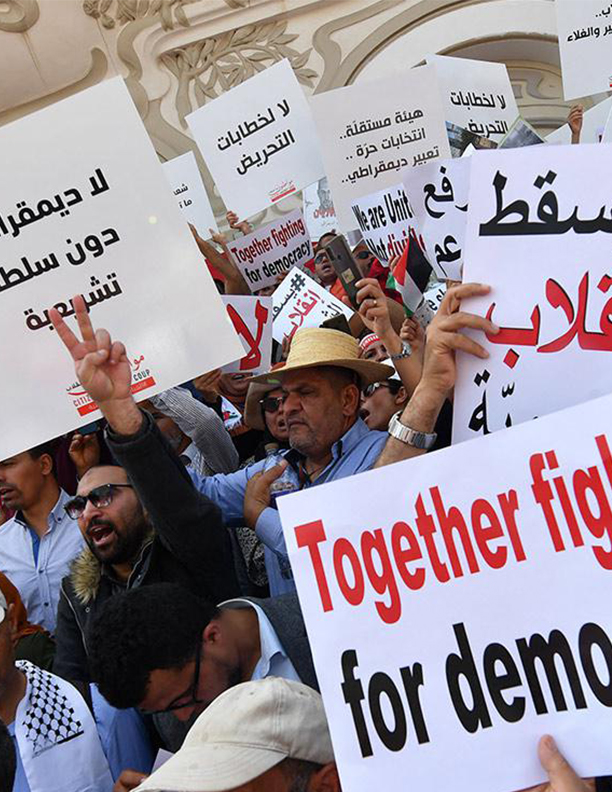
To address the political tensions and carve a path towards a stable future, Tunisia must focus on several key strategies.
Inclusive Dialogue
- National Dialogue Initiatives: Foster inclusive dialogue among all political factions to build consensus and address grievances.
- Civic Participation: Encourage greater public involvement in the political process to ensure diverse voices are heard.
Economic Reforms
- Job Creation Programs: Implement policies aimed at boosting employment and alleviating economic hardship.
- Anti-Corruption Measures: Enforce stringent anti-corruption laws to rebuild public trust in governmental institutions.
Strengthening Democratic Institutions
- Judicial Independence: Ensure the judiciary functions independently and impartially to uphold the rule of law.
- Electoral Integrity: Maintain transparent and fair electoral processes to enhance legitimacy and public confidence.
International Cooperation
- Leveraging Support: Utilize international aid and expertise to support economic and political reforms.
- Diplomatic Engagements: Continue engaging with international partners to garner support for democratic initiatives.
Social Reconciliation
- Community Programs: Develop programs aimed at bridging societal divides and fostering national unity.
- Addressing Inequality: Work towards reducing socio-economic disparities to create a more equitable society.
By adopting these multifaceted strategies, Tunisia can work towards achieving lasting peace, economic growth, and democratic stability, placing the nation on a positive trajectory.