Background of the Scottish National Party (SNP)

The Scottish National Party (SNP) was founded in 1934 as a nationalist political party aiming for Scottish independence. Over the years, they have grown to become a significant force in Scottish politics.
Overview of the SNP's rise in Scottish politics

The Scottish National Party (SNP) has steadily grown in influence since its founding in 1934, emerging as a major player in Scottish politics with a strong focus on promoting Scottish independence.
Key political objectives and strategies of the SNP

The SNP's main objective is to achieve Scottish independence from the UK. They also focus on promoting social justice, progressive policies, and protecting Scotland's interests.
Labour's Resurgence in Scotland

You've witnessed a significant increase in support for Labour in Scotland. Factors such as appealing policies and leadership changes have contributed to this resurgence.
Factors contributing to Labour's political resurgence

You witnessed Labour's resurgence due to appealing policies and leadership changes. The party's renewed focus on social issues resonated with voters, driving their increased support.
Impact of Labour's surge on the traditional SNP stronghold

The surge in Labour's support challenged the SNP's stronghold by garnering votes in areas typically loyal to the SNP, indicating a shift in traditional party allegiance.
Analysis of the Political Landscape Shift

You can analyze the political landscape shift by examining voter turnout, swing seats, and new party alliances. Consider the impact on traditional party strongholds and changing demographics in key constituencies.
Evaluating the implications of Labour's surge on the SNP
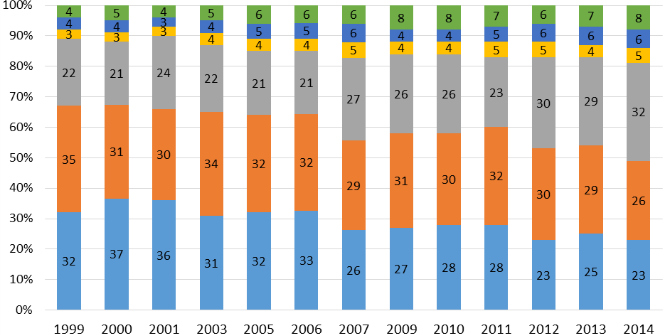
You must consider how Labour's resurgence affects SNP's traditional support base and electoral prospects. The SNP faces challenges in maintaining its dominance due to increasing Labour support.
Changes in voter demographics and party support
Voter demographics have shifted with Labour's resurgence, impacting traditional SNP support. Labour gaining ground among diverse voter groups signals a changing political landscape in Scotland.
Key Electoral Trends and Results

Examining electoral trends shows Labour's increased support in urban areas like Edinburgh and Glasgow. Many constuencies saw a shift towards Labour, indicating changing voter preferences in Scotland.
Examining the electoral dynamics leading to Labour's surge

You analyze the shift towards Labour in urban areas like Edinburgh and Glasgow, reflecting changing voter preferences and support for the party in key constituencies.
Analysis of key constituencies and voting patterns

You examine how Labour's increased support in key urban areas like Edinburgh and Glasgow influenced the shift in voting patterns towards the party. Varying regional dynamics played a crucial role.
Reactions and Responses from the SNP and Labour

The SNP expressed concerns about losing ground to Labour. Nicola Sturgeon vowed to address challenges and regain support. Labour strategized to strengthen their newfound momentum and capitalize on voter trust.
Responses from SNP leadership to Labour's resurgence

The SNP leadership expressed concerns about losing support to Labour. They vowed to address challenges and regain trust from voters in Scotland.
Labour's strategies to capitalize on their newfound support

To capitalize on their newfound support, Labour is focusing on grassroots campaigning, listening to voters' concerns, and emphasizing policies that resonate with working-class communities.
Conclusion and Future Political Outlook

Looking ahead, Labour's success indicates a shift in Scottish politics. The SNP must regroup, while Labour aims to solidify support and drive progressive change.
Assessing the long-term implications of Labour's surge

Looking ahead, Labour's sudden rise may reshape Scottish politics, challenging the SNP's dominance. It could signify a shift towards left-leaning policies and a more competitive political landscape.
Potential shifts in Scottish politics and upcoming challenges

In the aftermath of Labour's surge, Scottish politics may witness a shift towards left-leaning policies, challenging the SNP. Upcoming challenges include navigating a more competitive political landscape and addressing changing voter preferences.