
Introduction to the Elusive Crab
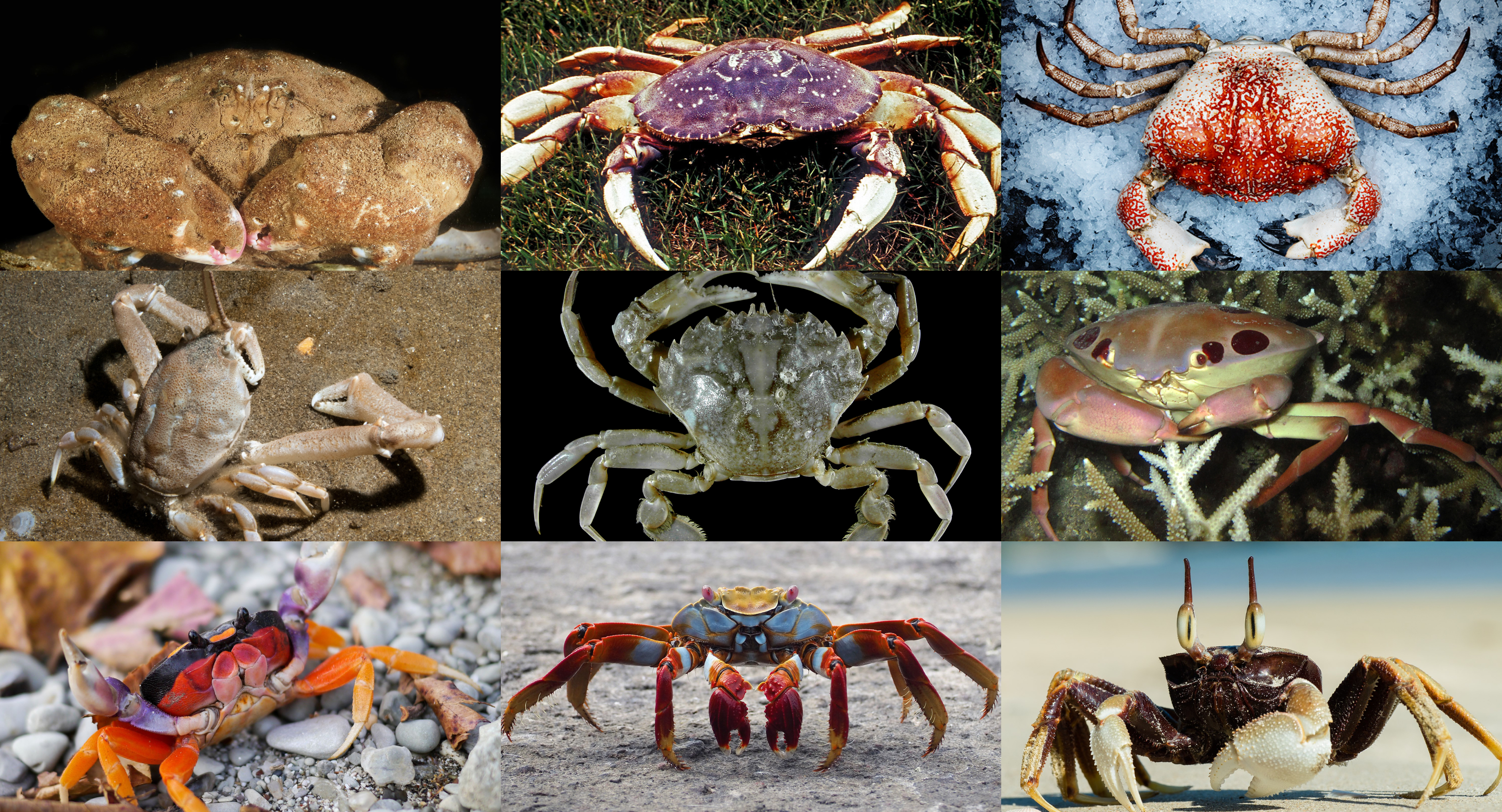
Introduction to Different Species of Elusive Crabs
Crabs have captivated human curiosity for centuries with their diverse forms and mysterious habits. Among these are the elusive crabs, which often evade the spotlight due to their secretive nature and unique adaptations. Here, we’ll explore the variety of species that define elusive crabs.

Habitats and Behaviors of Elusive Crabs
These intriguing crabs inhabit a variety of environments, from ocean depths to coastal shores and even terrestrial landscapes. The distinct behaviors of elusive crabs, such as unique feeding strategies and complex mating rituals, reflect their evolutionary adaptations to survive and thrive.

Uncovering the Elusive Crab Species

Characteristics of the Pea Crab
Among the fascinating elusive crabs, the Pea Crab stands out for its minute size and unique commensal lifestyle. Typically found living inside oysters and mussels, these tiny crabs possess a translucent body, allowing them to blend seamlessly with their hosts’ internal environment.

Mysterious Behavior of the Boxer Crab
The Boxer Crab, known for its unique symbiotic relationship with sea anemones, carries these stinging creatures in its claws for defense. This clever tactic not only provides protection but also aids in capturing prey, showcasing the crab’s intriguing survival strategies and behaviors.

The Hunt for the Ghost Crab

Ghost Crab's Unique Camouflaging Techniques
Transitioning to the Ghost Crab, these nocturnal creatures are masters of camouflage. With their sand-colored exoskeletons, they blend effortlessly into beach environments. Their ability to quickly burrow and flatten their bodies further enhances their disguise, making them almost invisible to predators and humans alike.
Adaptations for Survival in Coastal Environments
Building on their exceptional camouflaging skills, Ghost Crabs exhibit remarkable adaptations for coastal survival. Equipped with specialized respiratory systems, they can absorb oxygen from both water and air, allowing them to thrive in intertidal zones. These adaptations ensure their resilience in dynamic coastal ecosystems.
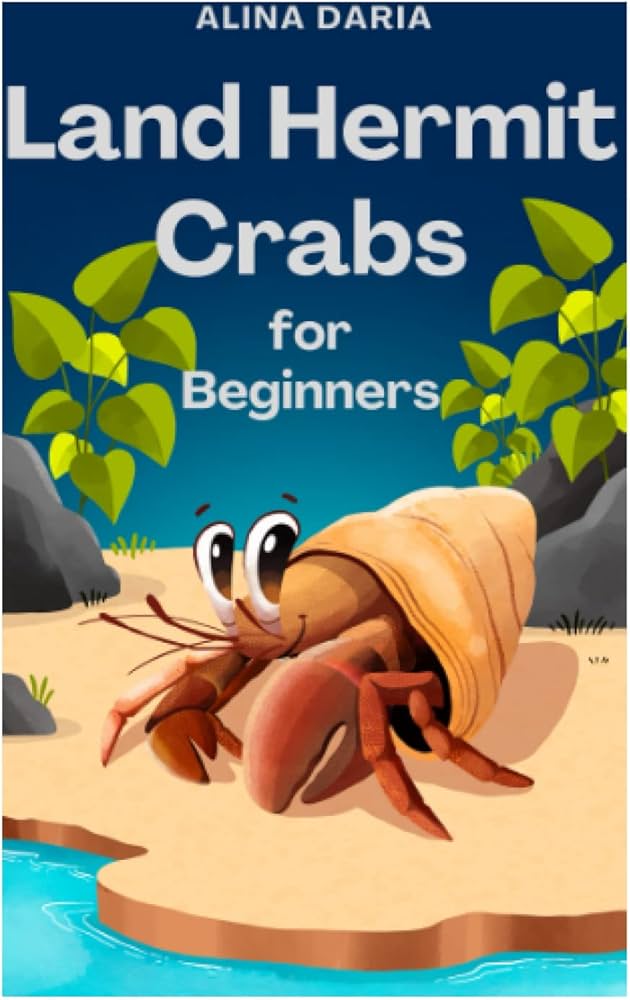
Deciphering the Land Hermit Crab

Land Hermit Crab's Shell Selection Process
Transitioning to terrestrial environments, the Land Hermit Crab showcases an intricate shell selection process. These crabs meticulously evaluate potential shells for size, weight, and comfort, often engaging in shell-exchange rituals with other crabs. This behavior ensures optimal protection and growth throughout their lives.
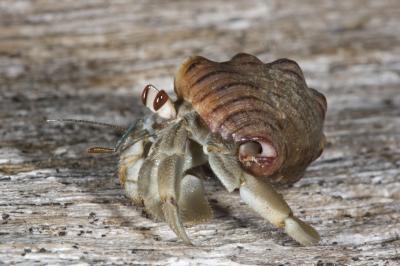
Land Hermit Crab's Social Interactions and Communication
Beyond their shell selection, Land Hermit Crabs exhibit fascinating social interactions. These crabs communicate through a combination of visual signals, antennae tapping, and unique sounds. Such interactions facilitate group dynamics, including shell exchanges and collective defense strategies, highlighting their sophisticated social behavior.

Enigmatic Behavior of the Coconut Crab

Coconut Crab's Impressive Size and Strength
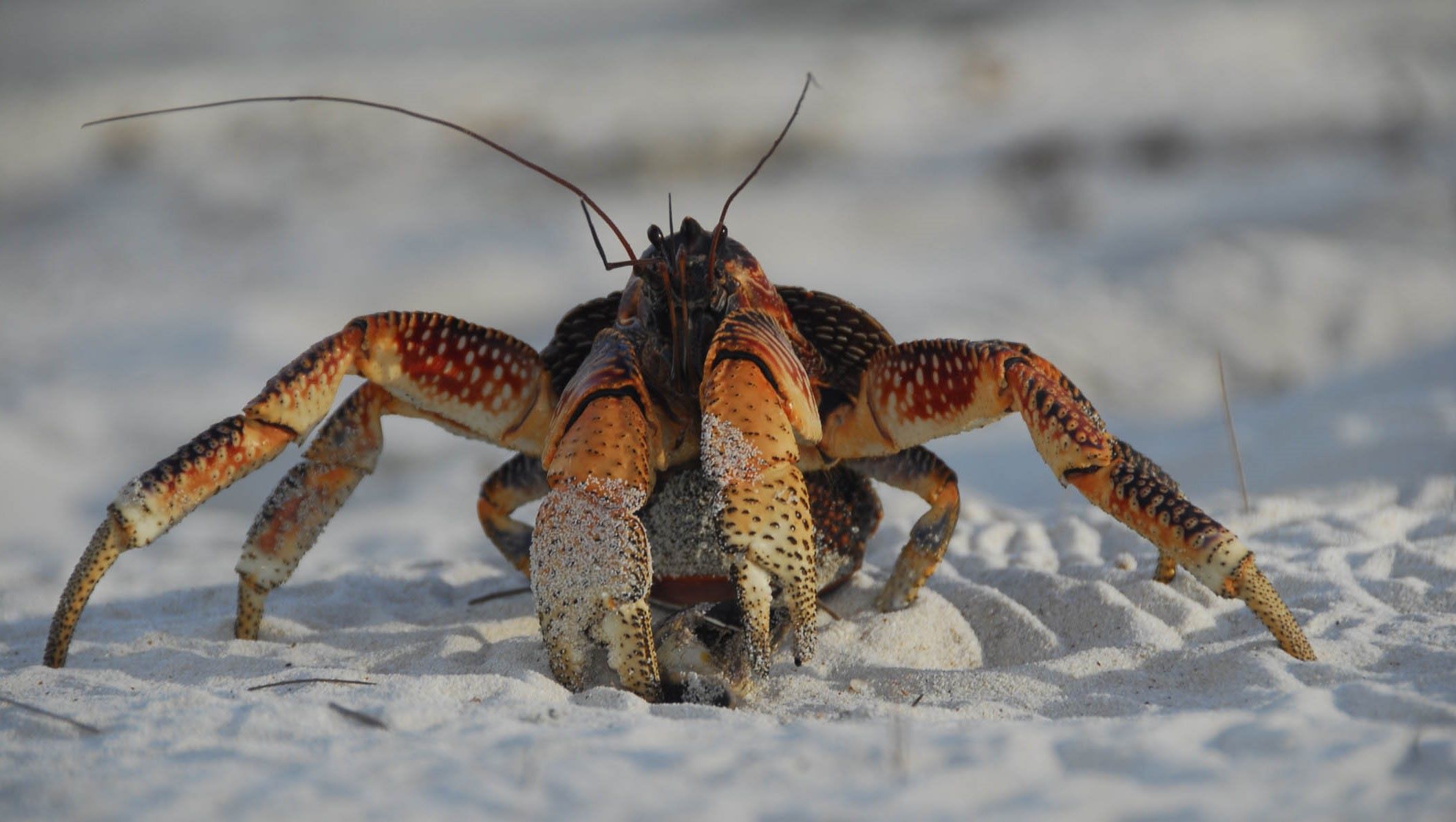
As we delve into the remarkable Coconut Crab, its sheer size and strength are truly awe-inspiring. Renowned as the largest terrestrial arthropod, these crabs have powerful pincers capable of cracking open coconuts. Their formidable strength is vital for both feeding and self-defense in terrestrial habitats.
Coconut Crab's Feeding Habits and Scavenging Behaviors
Building on their strength, Coconut Crabs exhibit diverse feeding habits and scavenging behaviors. Primarily herbivorous, they consume fruits, nuts, and seeds. However, they also scavenge carrion and animal remains, showcasing their opportunistic nature and crucial role in nutrient cycling within their ecosystems.

Conclusion
Understanding the Significance of Elusive Crab Species
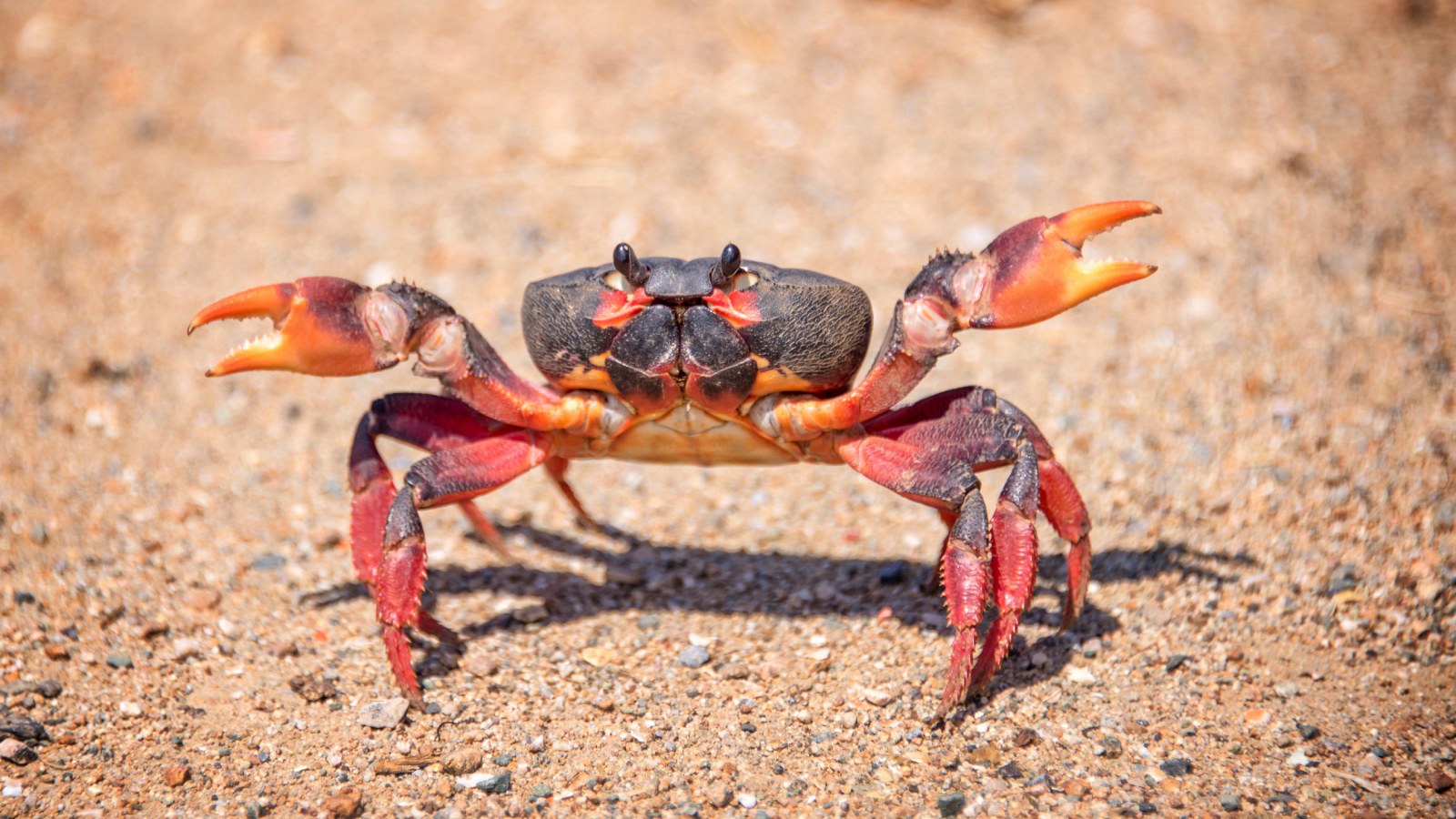
The diverse ecological roles and unique adaptations of elusive crabs, such as the Coconut Crab’s scavenging behaviors, underscore their ecological importance. Studying these crabs offers valuable insights into biodiversity, ecosystem dynamics, and evolutionary processes, highlighting their significance in various environmental and scientific contexts.
Conservation Efforts for the Protection of Elusive Crabs
Understanding their significance enhances our commitment to conservation efforts. Protecting elusive crabs involves habitat preservation, pollution control, and legal protections against over-harvesting. By raising awareness and supporting sustainable practices, we can ensure the survival of these remarkable creatures and maintain the balance of our ecosystems.