
Background of Unrest in Israel
Overview of Recent Events Leading to Protests
The unrest in Israel has reached a boiling point due to a series of contentious events. The Supreme Court's decision to enforce conscription for Orthodox youth, traditionally exempted, has ignited significant backlash. This ruling came after prolonged debates on the fairness of military service exemptions for the ultra-Orthodox community. The conscription order has stirred widespread demonstrations, capturing the nation’s attention and leading to street protests, civil disobedience, and heated public discourse. The resulting civil unrest marks a critical juncture in Israeli society's ongoing dialogue about religious freedom and civic duties.
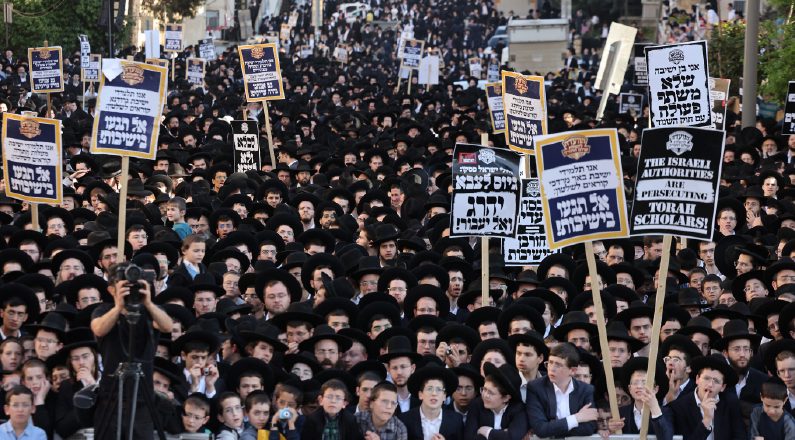
Supreme Court Decision on Orthodox Youth Conscription
The Israeli Supreme Court recently handed down a landmark decision, mandating the conscription of Orthodox youth into the military. Previously, this demographic enjoyed broad exemptions due to religious study commitments. The Court ruled that such exemptions were unconstitutional, arguing they created inequities in military service obligations. This judgment has sparked fierce reactions, particularly from the ultra-Orthodox community who see compulsory enlistment as an affront to their religious traditions, further polarizing an already tense national debate. The ruling's enforcement has become a pivotal issue in the country's broader discussions on equality and national duty.

Causes of the Protests
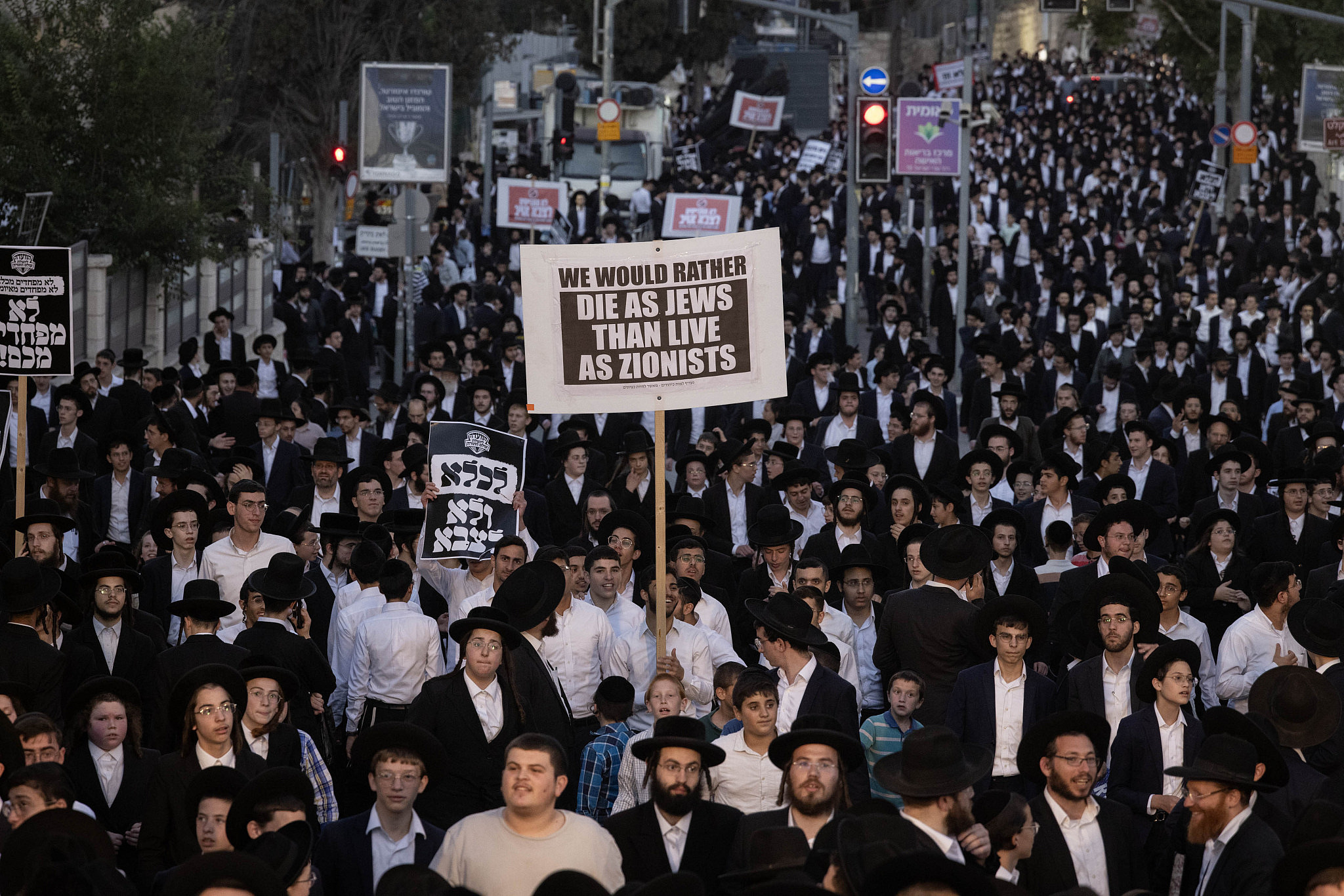
Concerns over Conscription Exemptions for Orthodox Youth
The debate surrounding conscription exemptions for Orthodox youth is a deeply contentious issue in Israel. Many citizens argue that these exemptions undermine the principle of equality in military service. They claim that while most Israelis are required to serve, the ultra-Orthodox community is permitted to bypass this national duty, creating societal rifts. On the other hand, the ultra-Orthodox community insists that their religious studies are vital to preserving Jewish heritage and should be considered a legitimate reason for exemption. This discord has fueled widespread protests and intensified the ongoing national debate.

Implications of the Supreme Court Decision on Orthodox Community
The Supreme Court's ruling mandating Orthodox youth conscription has profound implications for the ultra-Orthodox community. The decision challenges deeply held religious convictions and lifestyle choices centered on Torah study. Many feel this ruling threatens their cultural and religious autonomy. Additionally, it has sparked fears of increased antagonism between secular and religious factions within Israeli society. The community’s reaction has been one of intense protest and calls for the ruling's reversal. This development further underscores the complex balancing act between national duties and religious freedoms in Israel.

Response from Israeli Government

Government's Stance on the Protests
The Israeli government has adopted a cautious stance amidst the growing protests against the Supreme Court's conscription ruling. While affirming the Supreme Court's authority, government officials have expressed concerns over the social tensions this decision has exacerbated. They emphasize the importance of national unity and the rule of law, urging for calm and dialogue. Some leaders have proposed legislative revisions or compromise solutions to mitigate the ultra-Orthodox community's grievances. The government’s balanced approach aims to maintain order while seeking to address the complex issues fueling the unrest.

Actions Taken to Address the Situation
In response to the mounting protests, the Israeli government has implemented several measures to address the situation. Notably, officials have convened multiple negotiation sessions with ultra-Orthodox leaders to explore possible compromise solutions. Some proposed actions include:
- Legislative amendments to provide more flexible conscription terms for religious study.
- Financial incentives for enlisting ultra-Orthodox youth.
- Establishing dialogue forums to better integrate community concerns into policymaking.
These efforts aim to quell unrest while balancing the demands of military service and religious freedom.

International Reactions

Responses from Other Countries and Organizations
The recent unrest in Israel has garnered extensive attention from the international community. Various countries and organizations have voiced their concerns and reactions:
- The United States emphasized the importance of maintaining democratic institutions and rule of law.
- European Union representatives called for upholding human rights and fostering inclusive dialogue.
- United Nations officials have urged calm and stressed the need for peaceful resolution.
These responses highlight the global implications of Israel's internal struggles and the international community's interest in its stability and adherence to democratic principles.
Global Implications of the Unrest in Israel
The unrest in Israel over the Supreme Court's conscription ruling has significant global implications. The political instability within Israel can affect regional security dynamics, particularly in the Middle East. It may also influence diplomatic relations with allied nations, including the United States and European Union countries. Economically, prolonged internal conflicts can impact trade and investment flows. Additionally, these events could shift geopolitical alliances and affect Israel's stance in broader issues such as the Israeli-Palestinian conflict, further complicating regional peace efforts. The world watches closely, understanding that stability in Israel is crucial for broader geopolitical equilibrium.
Impact on Israeli Society
Effects of the Protests on Daily Life
The ongoing protests have deeply impacted daily life in Israel. Major cities have experienced disruptions including:
- Traffic congestion due to road blockages by demonstrators.
- Closures of businesses and educational institutions.
- Heightened security measures leading to delays and inconveniences.
The social fabric is also affected, with strained relationships between different community groups, both religious and secular. Regular protests and civil disobedience create an atmosphere of tension, compelling citizens to navigate a landscape marked by uncertainty and division. This environment of upheaval poses challenges to the normalcy and routine of Israeli life.

Discussions on Religious Freedom and Military Service
The Israeli Supreme Court's decision has reignited discussions on the delicate balance between religious freedom and military service. Critics argue that exemptions for the ultra-Orthodox community create inequality and undermine national security. Conversely, supporters of exemptions claim that mandatory conscription threatens their religious practices and cultural identity. This complex debate involves legal, ethical, and societal dimensions, further polarizing opinions within Israeli society. The ongoing discourse highlights the challenges of integrating diverse religious beliefs with universal civic duties, making it a critical issue for the nation's future.
Future Outlook
Predictions for the Resolution of the Conflict
The path to resolving the conscription conflict in Israel seems complex but possible avenues are emerging. Some experts predict potential compromises, such as:
- Gradual enforcement of conscription laws with flexible terms.
- Implementing alternative national service options for the ultra-Orthodox.
- Enhanced dialogue and negotiation between government officials and religious leaders.
Others foresee amendments to current laws that allow for religious considerations while maintaining fairness in national duty. The resolution will likely involve legal, political, and social adjustments to harmoniously balance civic responsibilities with religious freedoms.
Potential Long-Term Consequences of the Protests
The ongoing protests in Israel could have significant long-term consequences. Socially, the unrest may deepen divisions between secular and religious communities, potentially leading to prolonged societal fragmentation. Politically, these events could influence future legislation regarding military service and religious exemptions, prompting broader judicial and governmental reforms. Economically, persistent instability might deter foreign investments and affect economic growth. Additionally, the heightened tensions within the country could shift the balance of power in regional geopolitics, affecting Israel's diplomatic relationships and its stance in wider Middle Eastern dynamics.