
Origins of Notre Dame Cathedral

Architectural Design and Construction of Notre Dame Cathedral
The origins of Notre Dame Cathedral is deeply rooted in the Gothic architectural movement, which began in France in the 12th century. Spearheaded by Bishop Maurice de Sully, the construction of this iconic structure began in 1163 and continued for nearly two centuries.
Vision and Foundation
The initial vision for Notre Dame was grandiose, aiming to reflect divine grandeur on earth. The foundation stone was laid in the presence of King Louis VII, and the ambitious project aimed to replace a previous cathedral that had become outdated.
Structural Innovations
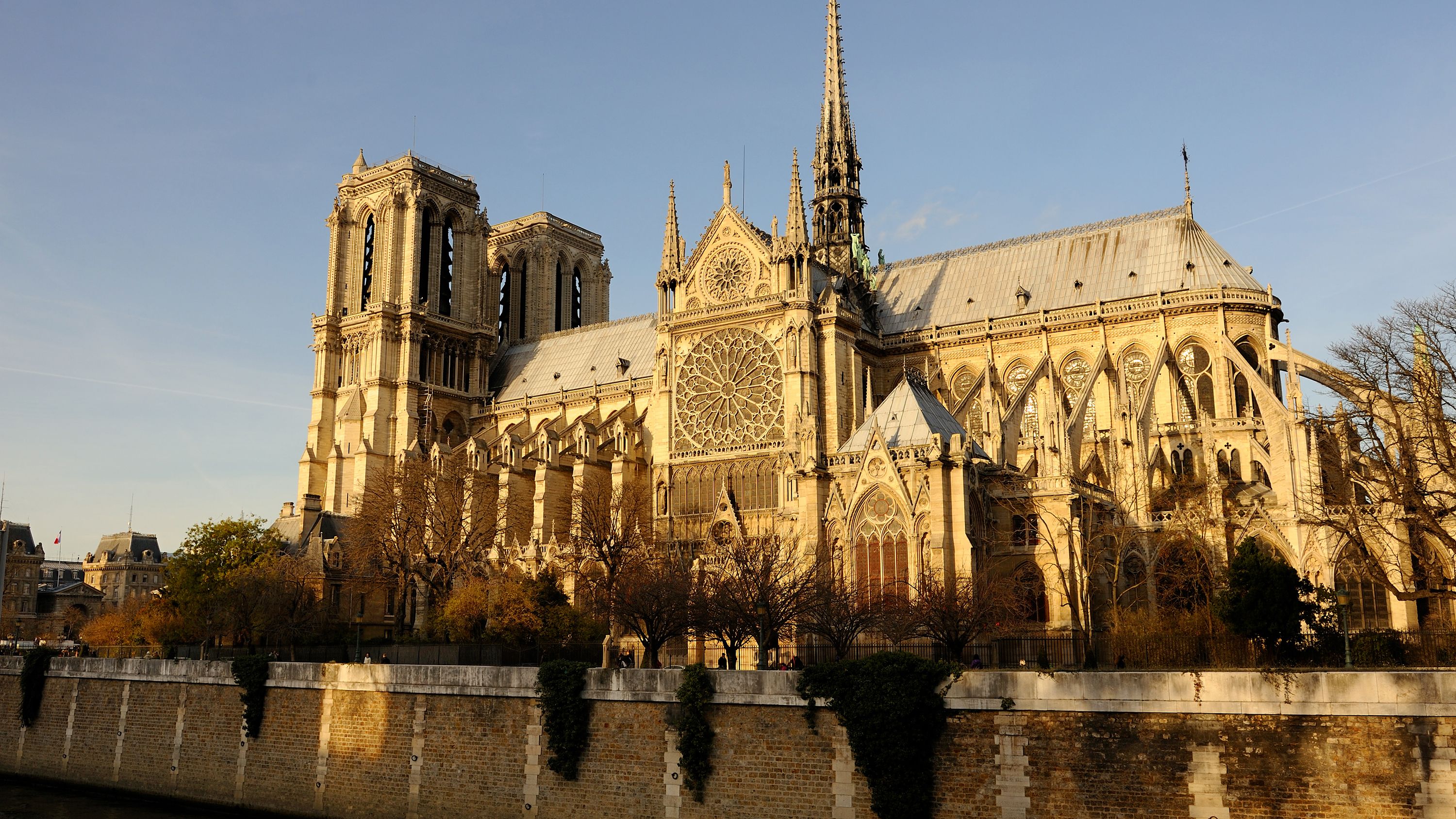
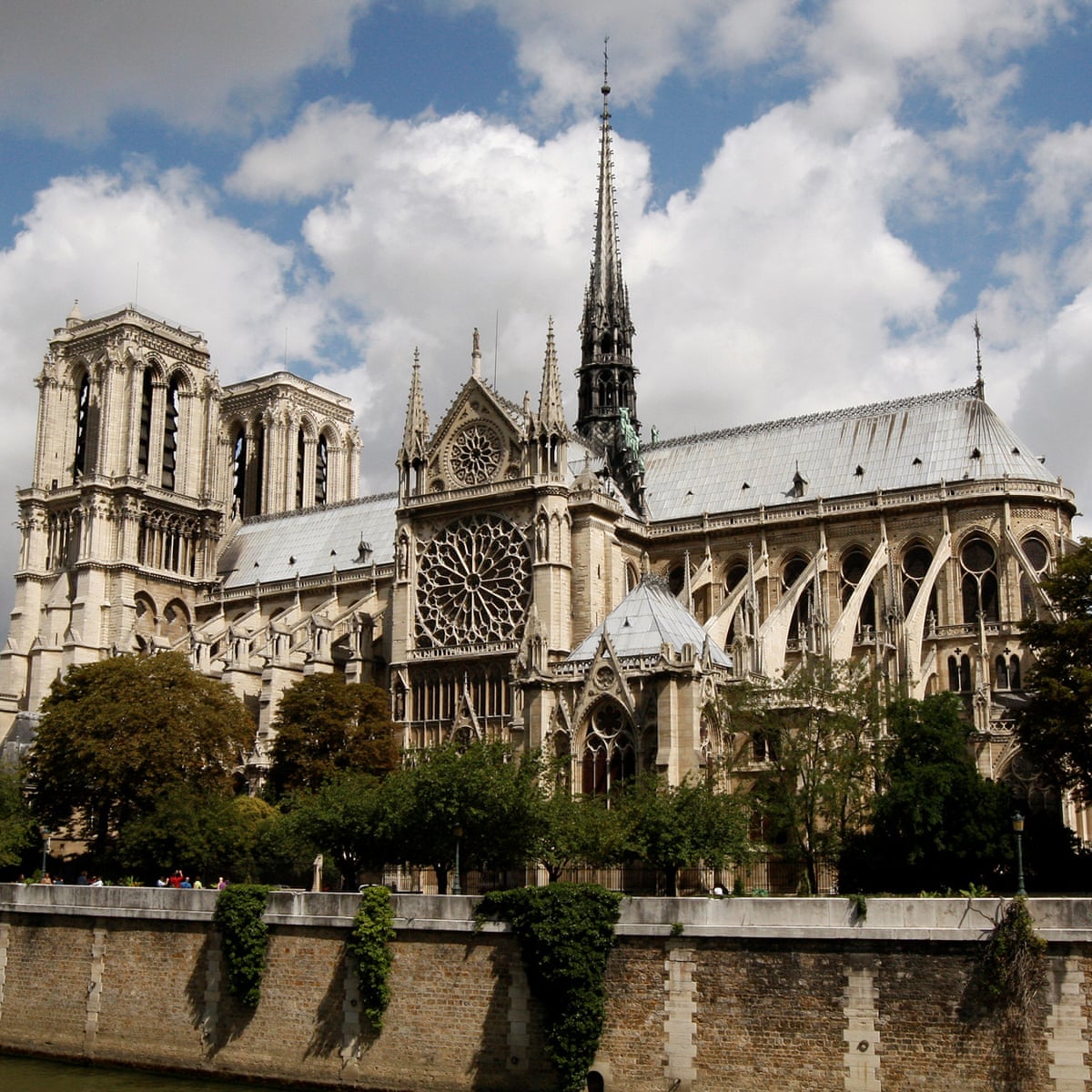
One of the most remarkable aspects of Notre Dame's architectural design is the pioneering use of flying buttresses. These structural innovations allowed builders to create the vast interior spaces and towering walls that are hallmarks of Gothic cathedrals. The buttresses provided necessary support, preventing the walls from collapsing outward under the weight of the massive stone roof.
Craftsmanship and Detailed Work
Notre Dame's construction involved hundreds of skilled laborers, including stonemasons, sculptors, and carpenters. Their craftsmanship is evident in the cathedral's intricate facades, where stone carvers depicted biblical scenes, saints, and fantastical creatures. Each sculpture is a testament to the artisans’ dedication, reflecting the cultural and spiritual narratives of the time.
Timeline and Completion
While the primary structure was completed by the mid-13th century, finishing touches continued into the 14th century. The cathedral's western facade, with its twin towers, was among the last significant additions. The long construction period saw numerous architects and builders contribute to the evolving design, each leaving their mark on this timeless edifice.
In summary, the architectural design and construction of Notre Dame Cathedral stand as a monumental achievement of medieval engineering and artistic expression, encapsulating the era’s spiritual fervor and technical ingenuity.
This section paves the way for a deeper appreciation of the cathedral's external and internal magnificence, which will be explored in the following sections.
Historical Significance and Cultural Impact of Notre Dame Cathedral
Building upon the architectural marvel that Notre Dame Cathedral represents, its historical significance and cultural impact further amplify its role as a beacon of human achievement and spiritual inspiration.
A Center of Religious Importance
From its completion, Notre Dame Cathedral has been a pivotal site for Christian worship and pilgrimage. The cathedral has hosted numerous important ceremonies, including the coronation of Napoleon Bonaparte as Emperor of France in 1804 and the beatification of Joan of Arc in 1909. These events not only mark important moments in religious history but also underscore the cathedral's central role in French national identity.
Symbol of French Resilience
Notre Dame has stood as a symbol of resilience through centuries of turmoil. During the French Revolution, the cathedral suffered extensive damage as revolutionaries desecrated religious symbols. However, it survived, emblematic of the enduring spirit of the nation. The 19th-century restoration led by Eugène Viollet-le-Duc revived its grandeur, ensuring its survival for future generations.
Cultural Heritage and Art
The cultural impact of Notre Dame extends far beyond its religious functions. The cathedral has inspired countless works of art, literature, and music. Victor Hugo's 1831 novel "The Hunchback of Notre-Dame" played a significant role in drawing attention to the decaying cathedral, sparking a preservation movement that culminated in its restoration. The novel itself became an enduring classic and introduced the world to the architectural splendor of the cathedral.
Academic and Touristic Value
Notre Dame has also been a focal point for scholars and tourists alike. Its intricate carvings, stained glass windows, and Gothic architecture attract millions of visitors each year. The cathedral stands as a living museum, offering insights into medieval craftsmanship, religious iconography, and the socio-political landscape of historical France.
Global Influence
The influence of Notre Dame is not confined to France alone; it has acquainted millions worldwide with the complexities and beauty of Gothic architecture. The cathedral's universal appeal is a testament to its aesthetic and historical significance, making it a symbol of global cultural heritage.
In conclusion, the historical significance and cultural impact of Notre Dame Cathedral make it far more than a religious edifice. It is a storied monument that has witnessed centuries of human history, culture, and spirituality, continuing to inspire awe and reverence.
Having delved into its historical and cultural magnitude, the next section will explore the stunning exterior features and intricate details of Notre Dame Cathedral's facade.

Beauty of Notre Dame Cathedral's Facade

Stunning Exterior Features and Sculptures of Notre Dame Cathedral
Building on its historical and cultural richness, the exterior of Notre Dame Cathedral is a visual symphony that captures the imagination of every observer. This section will delve into the stunning features and intricate sculptures that define its facade.
The Western Facade
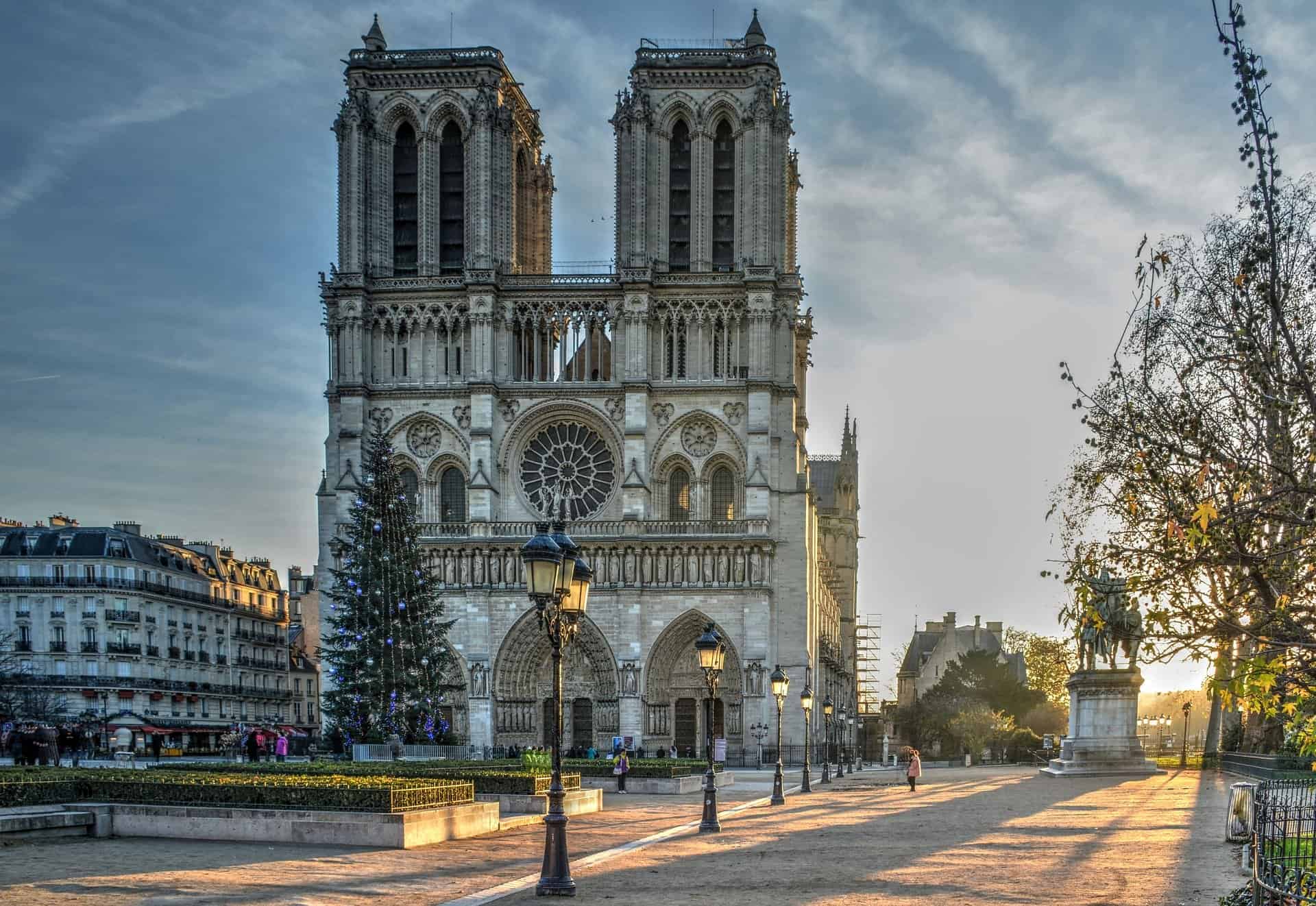
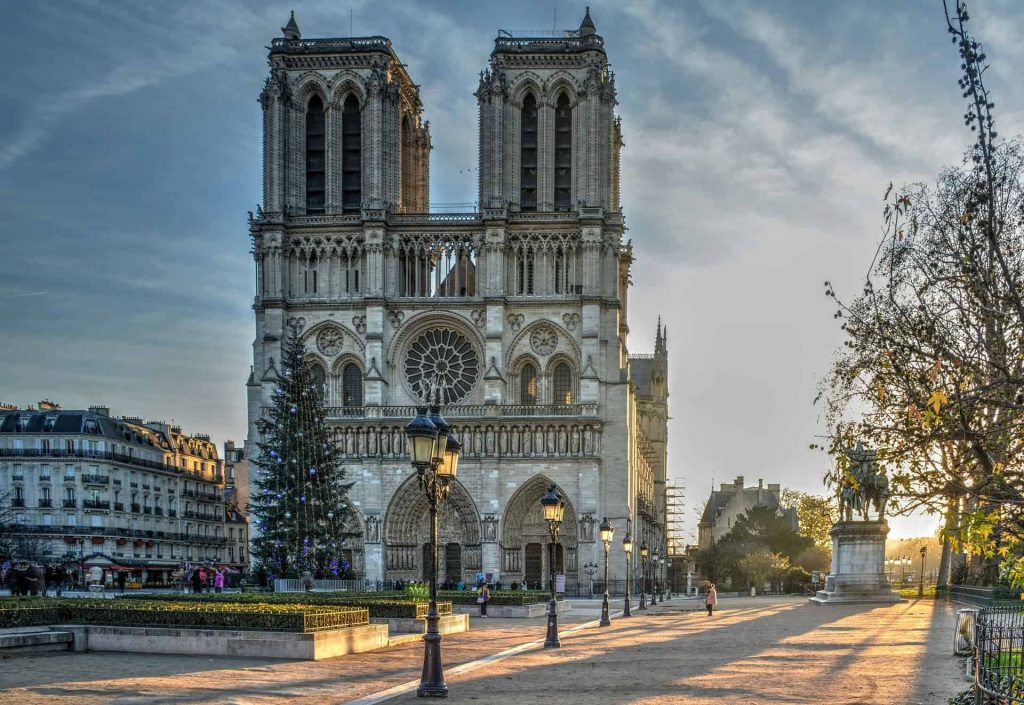
The western facade of Notre Dame is perhaps its most iconic aspect, characterized by its twin towers and rose window. Constructed over several decades, it serves as a masterclass in Gothic architectural principles. Each element of the facade is meticulously designed, harmonizing the themes of faith, scripture, and artistic excellence.
Gargoyles and Grotesques
One of the most captivating features of Notre Dame's exterior is its collection of gargoyles and grotesques. Originally designed as waterspouts to divert rainwater away from the building, these stone carvings have taken on a mythical quality over the years. The grotesques depict fantastical creatures, blending elements of reality and imagination, while the gargoyles have become synonymous with Gothic architecture as protectors of sacred spaces.
Portals and Tympana
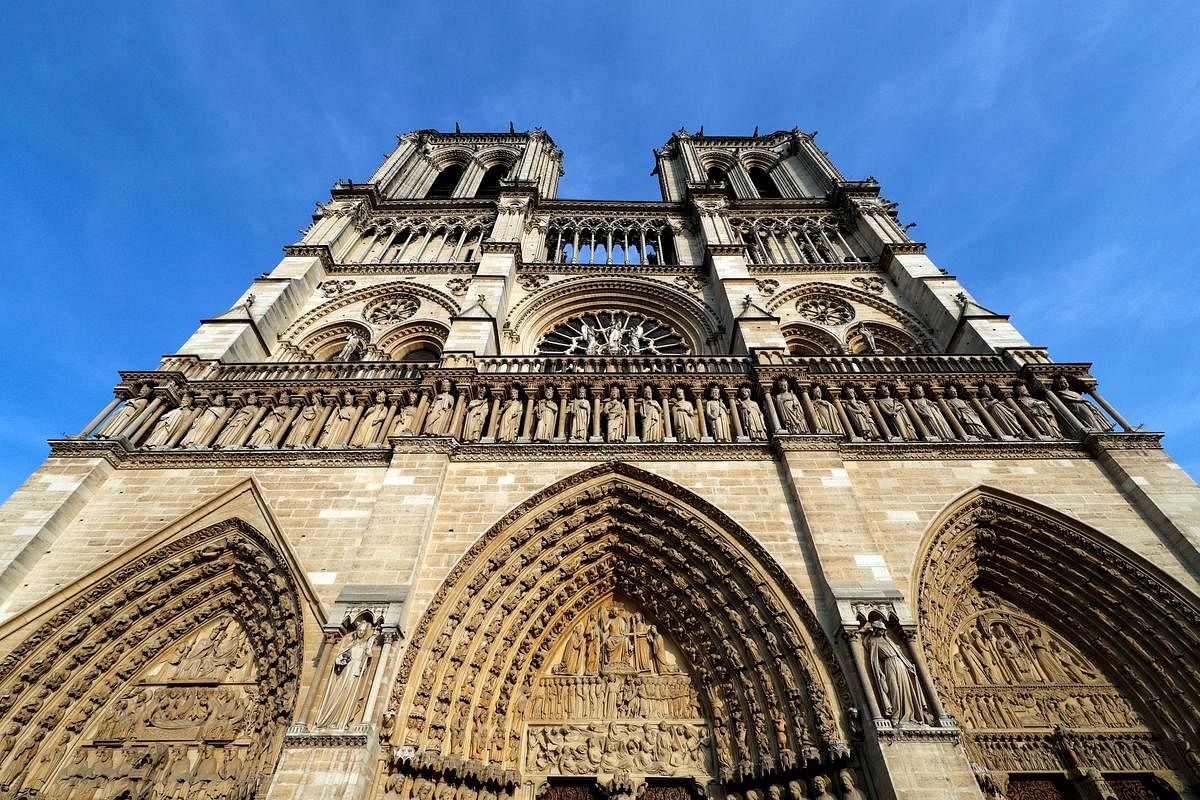
The three grand portals of Notre Dame, each richly decorated with biblical scenes, welcome visitors into the cathedral. The central portal, known as the Portal of the Last Judgment, depicts Christ in judgment, surrounded by angels, saints, and resurrected souls. The north and south portals, dedicated to the Virgin Mary and Saint Anne, respectively, offer equally compelling narratives rendered in stone. The detailed tympana above each portal are masterpieces in their own right, illustrating theological themes with remarkable precision.
The Rose Window
The rose window on the western facade is an emblem of Notre Dame's aesthetic glory. This circular stained-glass window, measuring over 10 meters in diameter, radiates a kaleidoscope of colors and light, symbolizing divine illumination. The window features intricate tracery and vibrant stained glass that depict scenes from the Old and New Testaments, as well as representations of saints and angels.
Statues and Reliefs
Statues and reliefs adorn the facade, contributing to its grandeur. Notable among them is the Gallery of Kings, a row of 28 statues representing the kings of Judea and Israel. These sculptures offer insight into biblical history and the reverence accorded to its figures. Detailed relief work across the facade adds layers of storytelling through scenes of suffering, redemption, and divine grace.
Architectural Harmony
Every element of Notre Dame's exterior is a testament to the harmony achieved by the Gothic masters. The seamless integration of structural innovations, like the flying buttresses, with the ornate decorative features, reflects a well-orchestrated symphony of form and function.
In summary, the stunning exterior features and sculptures of Notre Dame Cathedral not only captivate the eye but also enrich the soul, connecting observers with centuries of art, faith, and history.
The next section will continue this deep dive by exploring the rose windows and other intricate details that make the facade of Notre Dame Cathedral a masterpiece of Gothic architecture.
Rose Windows and Intricate Details on the Facade of Notre Dame Cathedral
Following an exploration of the stunning exterior features, the rose windows and myriad intricate details on Notre Dame Cathedral's facade further exemplify its Gothic grandeur and artistic brilliance.
The Grandeur of the Rose Windows
Notre Dame Cathedral is adorned with three magnificent rose windows, located on the western front and the north and south transepts. Each window is a masterpiece, encapsulating the essence of Gothic art and spiritual symbolism.
Western Rose Window
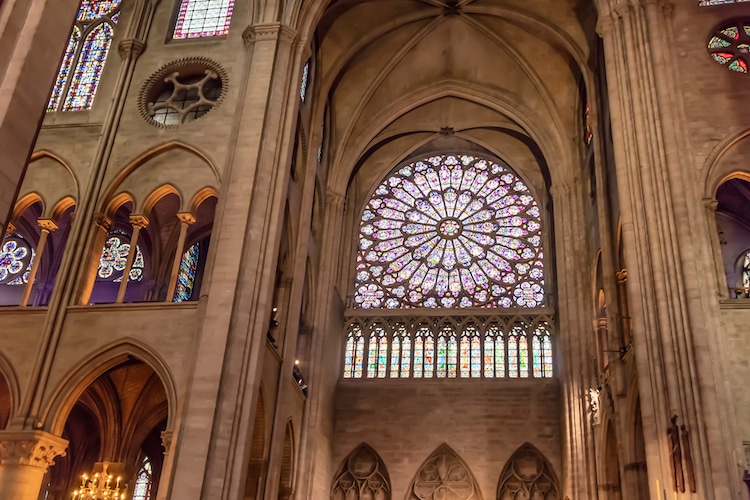
The western rose window, installed around 1225, is the smallest yet arguably the most captivating. Measuring more than 10 meters in diameter, this window serves as a focal point, drawing visitors into a dance of colors and light. It features a central image of the Virgin Mary and Christ Child, surrounded by prophets, saints, and angels, arranged in concentric circles that emphasize divine hierarchy and celestial harmony.
North Rose Window
The north rose window, created around 1250, is dedicated to the Old Testament and measures an impressive 12.9 meters in diameter. Intricately designed, it houses 80 panels depicting characters and stories from the Old Testament, emphasizing the fulfillment of prophecies in the New Testament. This window offers a historical journey through biblical narratives, rendered in glass and lead.
South Rose Window
The south rose window, also measuring 12.9 meters in diameter, complements its northern counterpart by focusing on the New Testament. Created around 1260, it features Christ at the center, surrounded by apostles, martyrs, and other significant figures of the Christian faith. This window exemplifies radial symmetry, with vibrant colors enhancing its spiritual message.
Intricate Tracery
The intricate tracery of the rose windows is a marvel of medieval engineering and artistry. Stone mullions intricately intersect to form lacy patterns that support the stained glass, while also creating a visual spectacle. The tracery not only enhances the aesthetic appeal but also ensures the structural integrity of the windows, allowing them to stand the test of time.
Facade Details: Sculptures and Carvings
Beyond the rose windows, Notre Dame's facade is a treasure trove of detailed carvings and sculptures that narrate biblical stories. The polychromed statues of the Gallery of Kings, the detailed narrative scenes on the tympana, and the finely sculpted columns blend to create an intricate tapestry of faith and artistry.
Symbolism and Iconography
Each element of the facade is rich with symbolism. From the Virgin Mary and the Christ Child to the figures of saints and the scenes of the Last Judgment, every detail has been thoughtfully placed to convey moral and theological messages. The facade serves as a visual Bible, educating and inspiring the faithful with its intricate iconography.
Illuminated Majesty
When sunlight streams through the rose windows, it illuminates the interior with a heavenly glow, creating an ethereal atmosphere that enhances the spiritual experience. The interplay of light and color transforms the stone and glass into a living testament to divine beauty and human creativity.
In essence, the rose windows and intricate details on the facade of Notre Dame Cathedral elevate it to a sublime masterpiece of Gothic art and architecture, a true testament to the ingenuity and faith of its creators.
Having explored the exterior magnificence, the next section will guide you through the magnificent interior architecture and layout of Notre Dame Cathedral, which is equally awe-inspiring.

Interior Splendor of Notre Dame Cathedral
Magnificent Interior Architecture and Layout of Notre Dame Cathedral
Having marveled at Notre Dame Cathedral's stunning exterior and intricate details, stepping inside reveals an equally breathtaking world of medieval craftsmanship and sacred space.
Grand Entrance and Nave
Entering through one of the cathedral's grand portals, visitors are immediately struck by the vastness of the nave, which stretches 130 meters long and soars 33 meters high. This expansive space, designed to accommodate thousands of worshippers, is a testament to the ingenuity and ambition of its medieval builders. The pointed arches and ribbed vaults guide the eyes upwards, emphasizing verticality and creating a sense of heavenly aspiration.
Gothic Vaulting and Columns
The interior’s ribbed vaulting is a masterpiece of Gothic architecture. These intersecting stone ribs not only add to the aesthetic appeal but also distribute the structural load evenly, allowing the cathedral to reach impressive heights. Tall, slender columns support the vaults, demonstrating the perfect balance between strength and elegance. The columns lead the eye upward, fostering a sense of spiritual elevation.
Ambulatory and Transepts
The layout of Notre Dame includes a design feature typical of Gothic cathedrals: the cruciform plan. This shape, representing the Christian cross, is fully realized with the inclusion of the nave, transepts, and choir. The transepts stretch out on either side, creating spacious areas for additional chapels, each adorned with exquisite artwork and relics.
The ambulatory, or walkway, encircles the choir, allowing pilgrims to move freely around the sanctuary. This design facilitates the flow of visitors and clergy while maintaining a sense of reverence and accessibility to sacred spaces.
Choir and Altar
The choir, located at the eastern end of the cathedral, is embellished with finely carved wooden stalls and intricate stone screens. These elements create an atmosphere of solemnity and grandeur, appropriate for the most sacred rites of the Christian faith. The high altar, positioned at the focal point of the cathedral, is adorned with religious symbols and elaborate decorations that underscore the centrality of the Eucharistic celebration.
Clerestory Windows and Light
The clerestory windows, positioned high on the walls above the arches, flood the interior with natural light. These stained-glass windows depict scenes from biblical history and the lives of saints, their vibrant colors illuminating the stone interior. The light streaming through these windows creates an ever-changing play of light and shadow, enhancing the spiritual ambiance of the space.
Side Chapels and Artworks
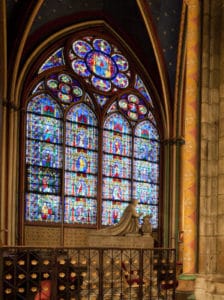
The interior is enriched by numerous side chapels, each dedicated to specific saints or important events in Christian tradition. These chapels are adorned with elaborate altars, paintings, and statues, offering intimate spaces for prayer and reflection. Notable among these is the Chapel of Our Lady of the Seven Dolors, featuring a poignant statue of the Virgin Mary.
Vaulted Ceiling and Acoustics
The vaulted ceiling of Notre Dame is not only a structural marvel but also contributes to the cathedral’s exceptional acoustics. The design allows for the clear projection of sound, making it an ideal setting for liturgical chants, organ music, and other sacred concerts. The reverberations within the stone walls create a sublime auditory experience that complements the visual splendor.
A Spiritual Journey
Walking through the interior of Notre Dame is akin to embarking on a spiritual journey, where every element—from the towering columns to the glowing stained glass—works in harmony to elevate the soul. The grandeur and detail of the interior architecture serve to inspire reverence, contemplation, and awe.
In essence, the magnificent interior architecture and layout of Notre Dame Cathedral stand as a sublime testament to the Gothic style’s ability to encapsulate both grandiosity and spirituality, inviting visitors into a sacred space that transcends time.
Next, we will delve into the notable artworks and religious artifacts inside Notre Dame Cathedral, further enriching the understanding of its cultural and religious significance.

Notable Artworks and Religious Artifacts Inside Notre Dame Cathedral
Following an exploration of its magnificent interior architecture, Notre Dame Cathedral's artworks and religious artifacts offer a deeper insight into its spiritual and cultural richness.
The Treasury
One of the most significant repositories of religious artifacts within Notre Dame is the cathedral's treasury. This sacred space houses invaluable relics, vestments, and objects of faith, many of which date back to the medieval era. Among the most notable is the Crown of Thorns, believed to be a fragment of the crown placed on Christ's head during the Crucifixion. Secured in a reliquary of gold and gems, it is venerated by pilgrims from around the world.
The Great Organ
The Great Organ of Notre Dame is both a musical instrument and a work of art. With its origins tracing back to the 15th century, the organ has been expanded and restored over the centuries to become one of the largest and most impressive in the world. Its intricate pipes and casing, adorned with carvings, make it a captivating centerpiece in the cathedral's interior. The organ’s powerful and hauntingly beautiful sound adds a sublime layer to the sacred atmosphere.
The Pietà
The Pietà, a poignant sculpture by Nicolas Coustou, is located beneath the grand organ. This touching representation of the Virgin Mary cradling the dead body of Jesus is a masterpiece of Baroque art. The emotional intensity captured in the sculpture resonates deeply with visitors, contributing to the cathedral's narrative of faith and redemption.
Stained Glass Windows
In addition to the renowned rose windows, the cathedral features an array of exquisite stained glass windows scattered throughout the nave, transepts, and chapels. These windows are masterworks of artistry, depicting scenes from the Bible, the lives of saints, and various ecclesiastical motifs. The vivid colors and intricate designs not only tell stories but also transform the natural light into a kaleidoscope of hues, enhancing the spiritual ambiance of the interior.
The Choir Stalls and Screens
The intricately carved wooden choir stalls and stone screens are notable for their craftsmanship and historical significance. The stalls, carved in Gothic and Renaissance styles, feature scenes from the lives of saints, biblical tales, and ornate patterns. The screens, made of stone, separate the choir from the nave, adorned with detailed reliefs that depict Christ's Passion, Resurrection, and other religious narratives.
The Altar and Cross
Central to the spiritual life of the cathedral is the high altar, characterized by its elaborate design and symbolic elements. The altar is often adorned with beautiful floral arrangements and candle holders, highlighting its sacred purpose. Equally important is the cross behind the altar, a symbol of Christ’s sacrifice and the foundation of Christian faith, often illuminated to draw focus during liturgical services.
Paintings and Murals
Numerous paintings and murals adorn the walls of Notre Dame, each contributing to the cathedral's rich tapestry of art. Among them is the painting series known as the "Mays de Notre-Dame," a collection of large canvases donated annually between the 17th and 18th centuries by the goldsmiths of Paris. These works depict various scenes from the New Testament and are treasured for their artistic and devotional value.
Relics of Saints
The cathedral also preserves several relics of saints, encased in beautifully crafted reliquaries. These sacred objects are not only venerated by the faithful but also attract scholars and historians interested in their provenance and significance. The reliquaries themselves are works of art, often made from precious metals and adorned with intricate designs.
Historical Artifacts
Beyond religious art, Notre Dame houses artifacts that offer glimpses into its storied past, including ancient manuscripts, liturgical objects, and vestments. These historical pieces provide a tangible connection to the cathedral's legacy, enriching the visitor’s understanding of its cultural and historical context.
In conclusion, the artworks and religious artifacts inside Notre Dame Cathedral not only enhance its aesthetic beauty but also deepen its spiritual and cultural significance, making it a treasure trove of religious and historical heritage.
As we move forward, we will uncover the poignant story of the tragic fire of April 15, 2019, and its impact on the cathedral.
Tragic Fire of April 15, 2019

Timeline and Events of the Devastating Fire at Notre Dame Cathedral
From its awe-inspiring artworks and religious artifacts, the narrative takes a somber turn as we recount one of the most tragic events in Notre Dame Cathedral's history—the devastating fire of April 15, 2019.
Prelude to Disaster
The day began like any other, with tourists and worshippers filling the cathedral, unaware of the catastrophe that would soon unfold. Restoration work had been ongoing, and scaffolding enveloped much of the structure, aimed at rejuvenating its centuries-old integrity.
The Outbreak of Fire
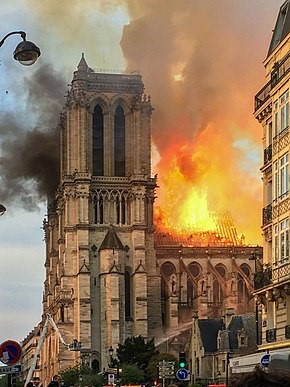
At approximately 6:20 PM local time, an alarm sounded, alerting security of a possible fire in the attic. Initially, the first signs of smoke were dismissed as a false alarm. However, within minutes, flames were spotted in the cathedral's wooden attic—referred to as "the forest" due to the dense framework of timber beams, some dating back to the 12th century.
Rapid Escalation
By 6:50 PM, the fire had escalated dramatically. Flames engulfed the cathedral's iconic spire, a symbol of Paris's skyline. The intensity of the inferno was such that it quickly became clear the structure was at imminent risk. Firefighters arrived and faced the daunting task of battling a blaze in one of the most architecturally and historically significant buildings in the world.
The Collapse of the Spire
At 7:50 PM, amidst the flames and rising smoke, the gothic spire collapsed—a heart-wrenching moment captured and broadcast worldwide. This event symbolized not just a structural loss but a cultural and historical wound that resonated deeply with people across the globe.
Efforts to Save the Cathedral
Firefighters, risking their lives, focused on saving the main structure of the cathedral. Their valiant efforts included creating a human chain to rescue valuable artifacts, artwork, and the cathedral’s treasury items, including the revered Crown of Thorns. Despite the enormity of the fire, which caused the roof to collapse, the primary stone structure and its two towers remained largely intact.
The Aftermath
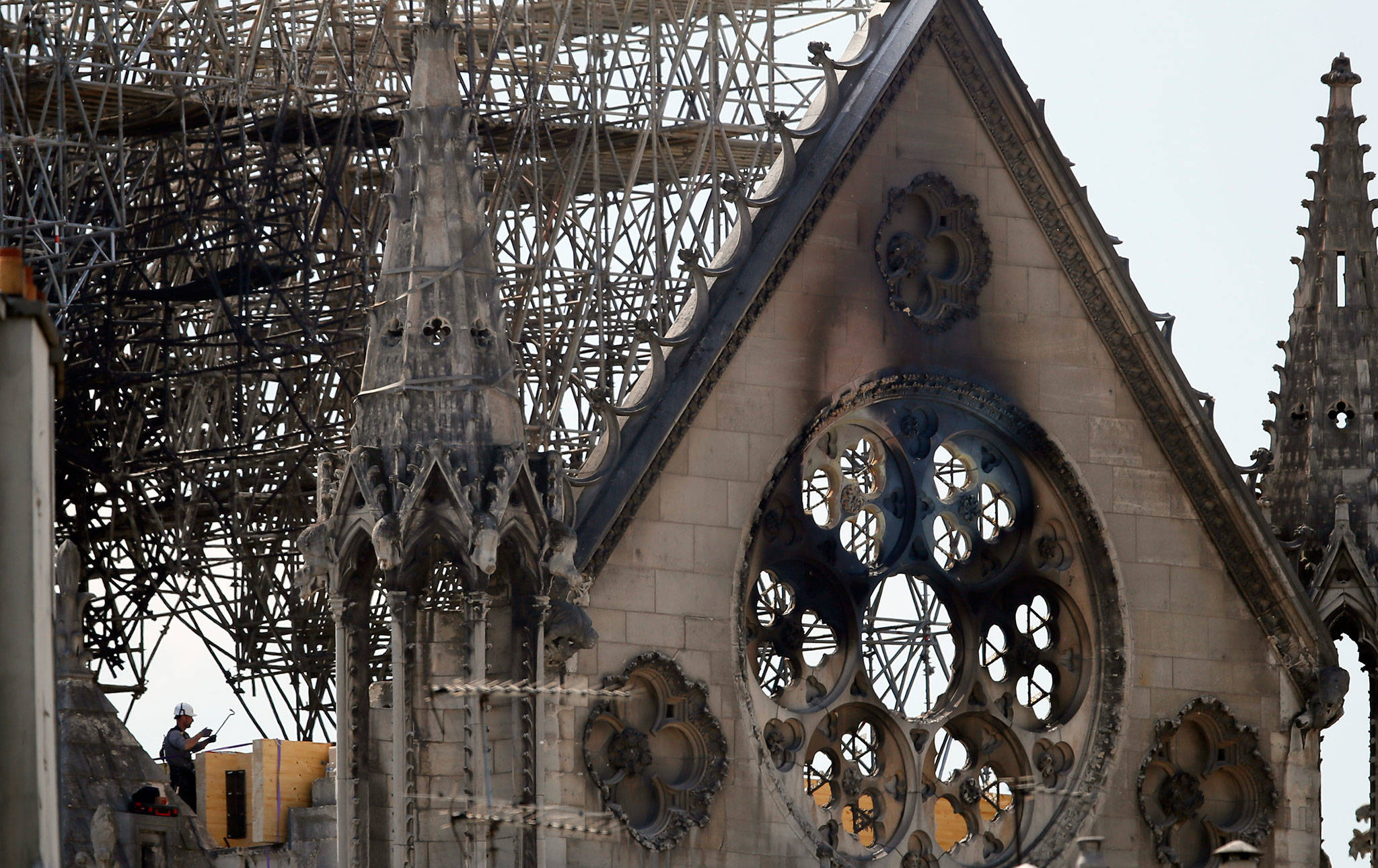
By the early hours of April 16, the fire was finally brought under control. The damage, however, was devastating: the roof was gone, the spire lay in ruins, and portions of the interior had suffered severe damage. The global reaction was immediate, with outpourings of grief and offers of financial support for reconstruction flooding in from around the world.
Immediate Impact
The immediate aftermath saw widespread mourning for the loss. Cultural and religious leaders lamented the damage, recognizing Notre Dame as a universal symbol of both French heritage and global human achievement. French President Emmanuel Macron addressed the nation, vowing to rebuild Notre Dame and calling for unity in the face of tragedy.
Investigation and Causes
In the days that followed, an investigation was launched to determine the cause of the fire. Early theories suggested it could have been linked to the ongoing restoration work. While no foul play was suspected, the precise cause remained undetermined, focusing instead on ensuring safety measures to prevent future disasters.
In summary, the devastating fire at Notre Dame Cathedral on April 15, 2019, is a poignant chapter in its long history, marked by tragedy but also by the resilience and determination to restore this icon of cultural heritage.
Moving forward, we will look into the ongoing restoration efforts and the future plans for Notre Dame Cathedral, showcasing the global commitment to revive this historic monument.

Restoration Efforts and Future Plans for Notre Dame Cathedral
Following the harrowing events of April 15, 2019, the attention swiftly turned to restoration efforts and planning for the future of Notre Dame Cathedral. The global community's commitment to resurrect this monumental edifice echoes the resilience embedded in its very stone.
Immediate Restoration Measures
In the immediate aftermath of the fire, efforts were focused on securing the structure to prevent any further deterioration. Protective scaffolding was erected, and temporary wooden supports were installed to stabilize weakened areas. Water removal and cleaning were also initiated to mitigate the impact of both the fire and the efforts to extinguish it.
Financial Support and Donations
The response to the catastrophe was overwhelming, with billions of euros pledged for the restoration from individuals, corporations, and governments alike. High-profile donors, including French billionaires and international organizations, offered substantial sums, underscoring the global significance of the cathedral. Fundraising initiatives and public contributions highlighted a collective desire to see Notre Dame rise from the ashes.
Architectural Assessments and Plans
Architectural assessments began to evaluate the extent of the damage and develop a roadmap for restoration. Experts reviewed historical records and analyzed structural remains to ensure that the reconstruction would be faithful to the original Gothic design. The meticulous process involved studying medieval building techniques and sourcing materials that matched those used in the 12th and 13th centuries.
Presidential Commitment
French President Emmanuel Macron set an ambitious goal to complete the restoration within five years, aiming to have the cathedral ready for the 2024 Summer Olympics in Paris. This timeline, while challenging, emphasized the urgency and significance of returning Notre Dame to its former glory.
International Expertise and Collaboration
The restoration project has become a collaborative effort involving architects, historians, engineers, and artisans from around the world. This international coalition ensures that the best practices and modern technologies are employed alongside traditional craftsmanship techniques. Workshops and training programs are being established to pass on skills in stone carving, stained glass restoration, and other key areas, preserving not just the cathedral but also the artisanal knowledge associated with it.
Technological Advancements
Cutting-edge technology plays a crucial role in the restoration process. 3D scans, digital modeling, and virtual simulations allow architects to recreate damaged sections with remarkable precision. These technological tools complement traditional methods, ensuring that the restoration is both accurate and durable.
Sustainable Restoration
Sustainability is a key consideration in the restoration plans. The use of eco-friendly materials and techniques, as well as considerations for energy efficiency, ensures that the cathedral will not only be restored to its historical integrity but also meet modern environmental standards.
Future Plans
Looking ahead, the restoration is not just about rebuilding; it’s about enhancing Notre Dame’s role as a cultural and spiritual hub. Plans include updated visitor facilities, better accessibility, and enhanced educational and cultural programs. The aim is to create a cathedral that honors its rich past while serving as a beacon for the future.
Celebrating the Rebirth
Once restored, Notre Dame will symbolize resilience and renewal. Special ceremonies, concerts, and exhibitions will celebrate its rebirth, echoing its enduring legacy and the global commitment to cultural preservation. The reopening of Notre Dame will be a milestone, marking not just the restoration of a building but the reaffirmation of shared human values and heritage.
Community Involvement
The restoration effort also emphasizes community involvement, inviting people worldwide to be part of this historical journey. From virtual tours showcasing the restoration progress to educational programs for young artisans, the project aims to engage and inspire future generations.
In summary, the restoration efforts and future plans for Notre Dame Cathedral represent a monumental collective effort to revive a global icon. Through dedication, collaboration, and innovation, Notre Dame will once again stand as a testament to human resilience and creativity.
The next section delves into Notre Dame Cathedral's significant presence in popular culture, highlighting its portrayal in literature, films, and art, further cementing its influence beyond the realms of architecture and religion.

Notre Dame Cathedral in Popular Culture
Portrayal of Notre Dame Cathedral in Literature, Films, and Art
The enduring legacy of Notre Dame Cathedral extends beyond its architectural and religious significance into the realms of literature, films, and art. This iconic structure has been immortalized in various cultural works, reflecting its universal appeal and profound impact on human imagination.
Literary Icon
One of the most influential portrayals of Notre Dame Cathedral in literature is Victor Hugo's 1831 novel, "The Hunchback of Notre-Dame". Hugo's masterpiece not only tells the tragic tale of Quasimodo and Esmeralda but also serves as a passionate appeal for the preservation of Gothic architecture. The cathedral itself is a central character, its grandeur and decay symbolizing the tension between history and progress. Hugo's vivid descriptions and emotional depth brought the cathedral to life, inspiring a renewed appreciation and leading to significant restoration efforts in the 19th century.
Cinematic Representations
Classic Adaptations
The compelling narrative of Hugo's novel has been adapted into several films, each contributing to Notre Dame's mystique. The 1939 film adaptation starring Charles Laughton as Quasimodo captured the gothic essence of the story, introducing the cathedral to a wider audience. The intricate sets and dramatic cinematography emphasized the architectural splendor and somber beauty of Notre Dame.
Disney’s Interpretation
Disney's animated adaptation, "The Hunchback of Notre Dame" (1996), brought the cathedral to a new generation, presenting it as both a magical and somber dwelling. Despite the film's lighter tone, the animation faithfully recreated the cathedral’s details, paying homage to its architectural brilliance. The movie's success further cemented Notre Dame's position in popular culture, making it a beloved symbol recognized by children and adults alike.
Artistic Inspirations
Notre Dame Cathedral has long been a favorite subject for artists, its intricate facades, soaring spires, and vibrant stained glass offering endless inspiration.
Paintings and Drawings
Many renowned artists, including J.M.W. Turner and Henri Matisse, have depicted Notre Dame in their works. Turner's atmospheric paintings capture the majestic silhouette of the cathedral amidst the changing light of Paris, while Matisse's vibrant lines emphasize its structural elegance. These artistic interpretations showcase Notre Dame as a living, breathing entity, evolving with the times yet retaining its timeless allure.
Photographs and Modern Art
Photographers have also been captivated by Notre Dame’s grandeur. From early black-and-white images to contemporary photo essays, the cathedral's form has been explored through various lenses, each capturing a unique aspect of its beauty. Modern installations and digital art continue to draw inspiration from Notre Dame, merging traditional aesthetics with contemporary mediums.
Musical Homage
Notre Dame has also inspired numerous musical compositions, ranging from classical symphonies to contemporary scores. The cathedral's acoustics have made it a favored venue for choral and orchestral performances, adding another layer to its cultural significance. Moreover, composers have created pieces specifically to be performed within its sacred space, blending the auditory and architectural splendors into a harmonious experience.
Notre Dame as a Cultural and Historical Symbol
Beyond individual works, Notre Dame embodies broader cultural and historical narratives. It has appeared in countless travel books, documentaries, and educational programs, each seeking to capture its essence and significance. The cathedral stands as a symbol of French heritage, European history, and human resilience, its image recognizable worldwide.
Global Influence
Notre Dame's portrayal in various cultural mediums has contributed to its status as a global icon. The depiction of its architectural marvels, coupled with its dramatic stories of love, loss, and redemption, resonates universally. Its presence in literature, film, and art serves as a bridge connecting people across different cultures and generations, reinforcing its role as a beacon of shared human experience.
In essence, the portrayal of Notre Dame Cathedral in literature, films, and art underscores its multifaceted influence and enduring allure. Each work inspired by this iconic structure adds a new layer to its rich tapestry, ensuring that its legacy continues to inspire and captivate.
Moving forward, we will explore how Notre Dame Cathedral stands as a symbol of resilience and hope, particularly in the context of its recent challenges and restoration efforts.
Notre Dame Cathedral as a Symbol of Resilience and Hope
Following its profound portrayal in literature, films, and art, Notre Dame Cathedral's role as a symbol of resilience and hope becomes even more evident, especially in light of its tumultuous history and ongoing restoration efforts.
Historical Resilience
Notre Dame has withstood the test of time, serving as a silent witness to centuries of human history. From the French Revolution's iconoclasm to two World Wars, the cathedral has faced numerous challenges. During the French Revolution, much of its religious iconography was desecrated, yet the structure itself endured. In the 19th century, Notre Dame underwent extensive restoration, breathing new life into the medieval edifice and symbolizing the French commitment to preserving cultural heritage.
Surviving Wartime Tribulations
During World War II, Paris faced the threat of Nazi occupation. Miraculously, Notre Dame emerged largely unscathed, standing as a beacon of hope amidst the horrors of war. The survival of this iconic structure during such turbulent times reinforced its role as a symbol of enduring strength and national pride.
The 2019 Fire and Immediate Response
The devastating fire of April 15, 2019, tested Notre Dame’s resilience once again. As flames consumed the roof and toppled the spire, the world watched in disbelief and sorrow. Yet, within hours, the spirit of resilience became evident. Firefighters bravely battled the inferno, rescuing invaluable artifacts and preventing the complete destruction of the cathedral. The immediate global response, with offers of aid and expressions of solidarity, highlighted Notre Dame's universal significance as a symbol of hope.
National and Global Unity
The fire brought together not only the people of France but also individuals worldwide. The outpouring of support, both emotional and financial, epitomized a collective yearning to see Notre Dame restored. This unity in the face of tragedy underscored the cathedral's role as a touchstone for shared human values and aspirations.
Rebuilding and Renewal
The ongoing restoration efforts reflect a broader narrative of rebuilding and renewal. Architects, artisans, and laborers work tirelessly to restore Notre Dame, a process that mirrors the human journey of overcoming adversity and emerging stronger. The intricate process of reconstructing the beloved landmark stands as a testament to human ingenuity and perseverance.
Education and Preservation
Efforts to preserve and restore Notre Dame are also educational, passing down traditional craftsmanship skills to new generations. Workshops and training centers have been established to ensure that the knowledge and techniques required to restore such a monument are not lost. This focus on education and preservation ensures that the legacy of Notre Dame will continue to inspire future generations.
Symbol of Hope
Notre Dame serves as a perennial symbol of hope. Its towering spires, once again rising against the Parisian skyline, remind us of the resilience of human spirit and the capacity to rebuild even after profound loss. The cathedral's ability to inspire awe and reverence, despite its trials, exemplifies the enduring power of faith and hope.
Global Significance
Notre Dame's restoration is a global endeavor, engaging experts and volunteers from around the world. This international effort reinforces the cathedral’s status as a global cultural and spiritual icon, uniting people from diverse backgrounds in a shared mission. The collective dedication to resurrecting Notre Dame speaks to its profound and universal resonance.
Future Reflections
When the cathedral reopens, it will stand as a testament to human resilience, a symbol of what can be achieved through unity and perseverance. The revitalized Notre Dame will not only honor its storied past but also embody the hopes and aspirations of a world that came together to save a cultural treasure.
Inspirational Legacy
The narrative of Notre Dame is more than a story of stone and glass; it is a tale of the human condition, reflecting our greatest strengths and deepest faith. The cathedral's journey from the ashes of destruction to the promise of rebirth offers a profound lesson in resilience and hope, echoing through generations.
In conclusion, Notre Dame Cathedral embodies a timeless narrative of resilience and hope, inspiring a global community to cherish and preserve its cultural heritage for future generations.
To wrap up this exploration, the next section will reflect on the overall impact of Notre Dame Cathedral on history and architecture, underscoring its continuing legacy and importance.
Conclusion
Impact of Notre Dame Cathedral on History and Architecture
Following its symbolization as a beacon of resilience and hope, Notre Dame Cathedral's profound impact on history and architecture further underscores its global significance.
A Milestone in Gothic Architecture
Notre Dame Cathedral stands as a seminal milestone in the evolution of Gothic architecture. Constructed over nearly two centuries, it pioneered architectural innovations that have since become defining characteristics of the Gothic style. The use of flying buttresses, pointed arches, and ribbed vaulting allowed for the creation of vast, light-filled spaces, fundamentally altering the trajectory of architectural design.
Architectural Influence
The architectural principles showcased in Notre Dame influenced numerous subsequent structures across Europe and beyond. Cathedrals such as Chartres, Reims, and Canterbury drew inspiration from Notre Dame’s pioneering techniques, ensuring the spread of Gothic design. The cathedral's emphasis on verticality, light, and intricate detail inspired architects to explore the possibilities offered by these new structural elements.
Cultural and Educational Legacy
Notre Dame has long served as a symbol of cultural and religious identity. Its construction, decoration, and preservation over the centuries mirror the historical and socio-political changes in France and Europe. The cathedral has played a role in significant historical events, from royal coronations to resistance movements, making it a living museum that offers invaluable insights into the past.
Spiritual and Religious Significance
As a cornerstone of Christian worship, Notre Dame has been a spiritual haven for countless believers. Its symbolic and liturgical significance extends to hosting important religious ceremonies and being a pilgrimage site. The cathedral’s role in spiritual life underscores its enduring impact on both personal faith and collective religious practices.
Conservation and Restoration Practices
The history of Notre Dame has greatly influenced modern conservation and restoration practices. Efforts to preserve the cathedral have set precedents in the fields of heritage conservation, leading to advancements in techniques and methodologies that are now applied to historical structures worldwide. The restoration work led by Eugène Viollet-le-Duc in the 19th century and the ongoing post-fire restoration efforts are prime examples of the evolving practice of architectural preservation.
Inspiration for Art and Literature
Notre Dame's impact extends into art and literature, inspiring countless artists and writers. The cathedral’s architectural grandeur and historical depth have made it a perennial muse. Victor Hugo’s "The Hunchback of Notre-Dame" catalyzed public interest in the preservation of Gothic architecture, demonstrating the power of art and literature to effect cultural change.
Educational Importance
The cathedral has been a focal point for scholarly research and education. Its detailed construction process, historical artifacts, and artistic elements offer rich material for academic study. Universities and research institutions often use Notre Dame as a case study in disciplines ranging from art history and architecture to theology and cultural studies.
Urban and Social Fabric
Notre Dame has played a crucial role in shaping the urban and social fabric of Paris. Its central location on the Île de la Cité and its status as one of the city’s primary landmarks have made it a cultural and touristic hub. The cathedral not only defines the skyline but also contributes significantly to the local and national identity.
Global Cultural Heritage
Recognized as a UNESCO World Heritage Site, Notre Dame is part of humanity's global cultural heritage. It represents the collective achievements of human civilization, capturing the essence of artistic, architectural, and spiritual milestones. Its preservation and continued relevance highlight the importance of safeguarding cultural monuments for future generations.
Modern Architectural Dialogue
In the contemporary architectural dialogue, Notre Dame continues to inspire and challenge architects to blend historical reverence with modern innovation. The ongoing restoration efforts incorporate both traditional craftsmanship and cutting-edge technology, fostering a dialogue between past and present.
Conclusion
In summary, Notre Dame Cathedral’s impact on history and architecture is both profound and multifaceted. Its architectural innovations, cultural significance, and influence on conservation practices ensure its place as a cornerstone of both historical and modern contexts. Notre Dame remains a timeless symbol of human creativity, resilience, and ambition.
Finally, we will explore the continuing legacy and importance of preserving Notre Dame Cathedral, reflecting on its significance for future generations and underscoring the need for its protection.
Continuing Legacy and Importance of Preserving Notre Dame Cathedral
After detailing Notre Dame Cathedral's profound impact on history and architecture, it’s essential to explore its continuing legacy and the paramount importance of preserving this iconic monument for future generations.
A Living Testament to Human Achievement
Notre Dame Cathedral is more than a historical structure; it is a living testament to human ingenuity, craftsmanship, and spiritual aspiration. Each stone, each sculpture, and each stained-glass window tells a story of human effort and divine inspiration. Preserving Notre Dame means safeguarding a repository of collective human achievement that spans centuries, embodying both historical and contemporary significance.
Cultural Heritage
Recognized as a UNESCO World Heritage Site, Notre Dame represents a shared cultural heritage that transcends national boundaries. It stands as a symbol of what humans can collectively achieve and is a source of pride for people worldwide. The cathedral's preservation ensures that this cultural heritage remains accessible, educating and inspiring future generations about the past’s triumphs and tribulations.
Educational Value
Notre Dame serves as a crucial educational resource. It is a living classroom for various fields, including architecture, art history, religious studies, and cultural conservation. Students and scholars can learn firsthand from the complexities and innovations that have kept the cathedral standing for centuries. Preserving Notre Dame ensures that it continues to be a vital educational tool, providing insights into medieval engineering, Gothic artistry, and cultural evolution.
Spiritual Significance
For millions, Notre Dame is a sanctuary of spiritual solace and pilgrimage. Its preservation extends beyond physical structure to encompass its role as a place of worship and reflection. Ensuring its continuity means sustaining a spiritual haven that has provided comfort and inspiration for countless individuals over the centuries.
Economic and Social Impact
The cathedral's role as a major tourist attraction generates substantial economic benefits for the local community and France as a whole. The tourism revenue supports local businesses, employs thousands, and funds preservation efforts. However, the importance of preserving Notre Dame extends beyond economic gains to include its role as a social and cultural hub that brings communities together.
Symbol of Resilience
Notre Dame’s ongoing restoration symbolizes resilience and hope, reflecting humanity’s capacity to rebuild and renew. The cathedral’s revival serves as a powerful reminder of the importance of preserving cultural heritage even in the face of adversity. This resilience not only honors the past but also inspires future generations to value and protect their heritage.
Technological Innovation
The restoration of Notre Dame presents an opportunity to blend traditional craftsmanship with modern technological innovations. Using advanced technologies like 3D modeling and digital simulations ensures that restoration efforts are precise and durable. This integration of old and new techniques sets a precedent for future conservation projects, advancing the field of cultural preservation.
Community Engagement
The process of preserving Notre Dame has also brought communities together, fostering a sense of shared responsibility and collective effort. Engaging the public through educational initiatives, virtual tours, and participatory projects ensures that the cathedral’s legacy is a communal endeavor. This collective involvement underscores the importance of protecting cultural treasures as shared human heritage.
Future Aspirations
Looking forward, the preservation of Notre Dame is not just about restoring a building but about continuing its legacy. The cathedral’s ability to adapt and endure over centuries makes it a symbol of timeless relevance. Future plans include enhancing its role as an inclusive cultural center, where history is honored, and new memories are created.
Moral and Ethical Responsibility
Preserving Notre Dame is a moral and ethical responsibility. As stewards of heritage, there is an obligation to pass on this irreplaceable legacy to future generations. The cathedral’s preservation is an act of respect for the past and a commitment to the future, ensuring that Notre Dame remains a beacon of human achievement for centuries to come.
Conclusion
In conclusion, the continuing legacy and importance of preserving Notre Dame Cathedral are multifaceted, encompassing cultural heritage, educational value, spiritual significance, and communal pride. As a symbol of resilience, ingenuity, and shared human heritage, Notre Dame’s preservation ensures that its legacy endures, inspiring and educating future generations while honoring the timeless marvel of human creation.
With this, we conclude our comprehensive exploration of Notre Dame Cathedral, highlighting its architectural brilliance, cultural significance, and enduring legacy as one of humanity's greatest achievements.