Introduction

Brief overview of St. Mary Magdalene
St. Mary Magdalene occupies a significant place in Christian history, being one of Jesus Christ's most devoted followers. Referred to often as the "Apostle to the Apostles," she is noted for her profound dedication and pivotal role in the events surrounding Jesus's death and resurrection. Historically, she has been depicted in varying lights – from a penitent sinner transformed by Jesus's grace to a steadfast disciple who supported Christ's mission. Her legacy continues to inspire both faith and scholarly inquiry.

Importance of studying her life and legacy
Studying the life and legacy of St. Mary Magdalene offers profound insights into early Christian history and spirituality. Her unwavering faith and transformative journey exemplify the power of redemption and devotion, themes central to Christianity. Additionally, understanding her role clears misconceptions and highlights the contributions of women in religious narratives. Exploration of her portrayal in historical texts aids in uncovering broader cultural and theological contexts, providing a holistic perspective on her enduring influence in spiritual and academic circles.
St. Mary Magdalene in the Bible

Biblical references and stories about Mary Magdalene
St. Mary Magdalene appears in several key passages within the New Testament, each highlighting her profound connection to Jesus. Most notably, the Gospels describe her presence at the Crucifixion and her discovery of the empty tomb, signifying her pivotal witness to the resurrection. She is also mentioned as having been healed by Jesus, from whom seven demons were cast out. Together, these narratives underscore her dedication and vital role in early Christian testimony, portraying her as a devoted follower and witness.

Different interpretations of her role in the Bible
The role of St. Mary Magdalene in the Bible has been the subject of various interpretations, shaped by theological, cultural, and scholarly lenses. Traditionally, she has been viewed as a repentant sinner, a notion reinforced by her association with unnamed sinful women. Conversely, modern scholarship emphasizes her role as a key disciple and witness, challenging earlier assumptions and highlighting her significance in the early Christian community. These differing views illustrate the evolving understanding of her impact and importance in Christian history.
Historical and Cultural Context

Mary Magdalene in historical context
In the historical context, St. Mary Magdalene's life unfolds within the broader framework of first-century Judea under Roman occupation. As an influential female figure in a predominantly male-dominated society, her prominence in the Gospel narratives is particularly notable. Archaeological findings and historical texts suggest that she hailed from Magdala, a prosperous town known for trade and fishing. Her journey, marked by profound spiritual transformation and unwavering support for Jesus, places her among the key figures shaping early Christianity's emergence and legacy.

Influence of cultural representations on her image
Cultural representations have significantly shaped the image of St. Mary Magdalene through history. Artistic depictions, from medieval paintings to Renaissance masterpieces, often portray her as both penitent sinner and devoted disciple. Literature, too, has varied in its portrayal, sometimes emphasizing her supposed former life of sin over her spiritual contributions. Such representations reflect and influence societal views, creating a complex legacy that intertwines historical fact with artistic interpretation. This evolving cultural narrative highlights the enduring fascination with her multifaceted persona.
The Mysteries Surrounding Mary Magdalene

Common misconceptions and controversies
Common misconceptions and controversies surrounding St. Mary Magdalene often stem from conflated biblical accounts and later interpretations. A prevalent misconception identifies her with the unnamed sinful woman in Luke’s gospel, leading to her enduring portrayal as a reformed prostitute. Scholarly debates also question her suggested marital relationship with Jesus, popularized by modern fictional works. These controversies obscure her authentic biblical role and underscore the importance of differentiated scriptural analysis. Clarifying these misconceptions aids in understanding her true historical and spiritual significance.

Debunking myths and exploring the truth
Debunking the myths surrounding St. Mary Magdalene necessitates a rigorous examination of biblical texts and historical evidence. Scholars argue that conflating her with other female figures in the Gospels has distorted her true role. For instance, no scriptural basis supports claims of her being a prostitute or Jesus’s wife. By focusing on her documented contributions – including her testimony of the Resurrection – researchers underscore her significance as a central, revered disciple. This approach reveals a more accurate, dignified understanding of her legacy.
Legacy and Impact of St. Mary Magdalene

Mary Magdalene's influence on Christianity and spirituality
St. Mary Magdalene's influence on Christianity and spirituality is profound and far-reaching. As a central witness to Jesus's resurrection, her testimony is foundational to Christian faith. Her unwavering devotion exemplifies the transformative power of faith and redemption, inspiring countless believers. Additionally, her story fosters a greater appreciation for the roles of women in spiritual leadership and discipleship. Through centuries of theological reflection and devotional practices, Mary Magdalene continues to embody spiritual resilience, deeply impacting Christian thought and practice worldwide.
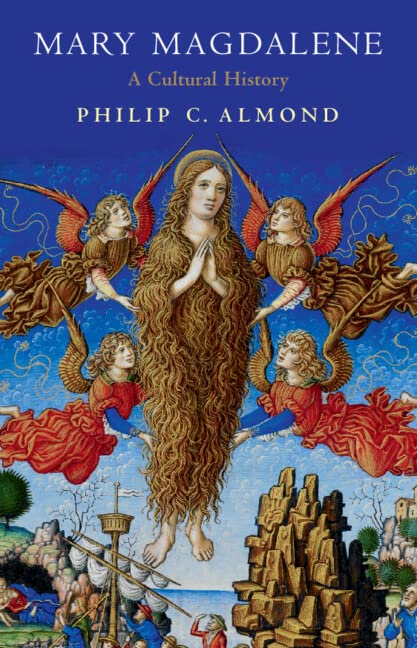
Her portrayal in art, literature, and popular culture
St. Mary Magdalene’s portrayal in art, literature, and popular culture has been richly diverse, reflecting varying interpretations of her character. Renaissance and Baroque artists frequently depicted her in moments of deep penitence or contemplation, emphasizing themes of repentance and salvation. In literature, her complexity is explored from theological treatises to modern fiction, each adding layers to her narrative. Popular culture, including films and novels, often sensationalizes aspects of her story, merging fact with fiction. These portrayals continue to shape public perception and influence contemporary discussions.
Conclusion

Reflection on the significance of studying St. Mary Magdalene
Studying St. Mary Magdalene holds significant value for theological scholarship and personal spirituality. Her life reflects vital themes such as redemption, devotion, and the influential role of women in early Christianity. Delving into her story fosters a deeper understanding of biblical narratives and challenges long-held misconceptions. Furthermore, her unwavering faith and pivotal role in the resurrection underscore foundational tenets of Christian belief. By examining her legacy, scholars and believers alike gain richer insights into the complexities and beauty of early Christian history.
Final thoughts on her enduring legacy
The enduring legacy of St. Mary Magdalene continues to resonate profoundly within Christian thought and beyond. Her story serves as a testament to the transformative power of faith and the essential contributions of women in religious history. Despite centuries of evolving interpretations, her role as a devoted disciple and pivotal witness to the resurrection remains central to Christian doctrine. Reflecting on her legacy, it becomes evident that St. Mary Magdalene embodies timeless spiritual truths, inspiring ongoing devotion, scholarly inquiry, and cultural representation.