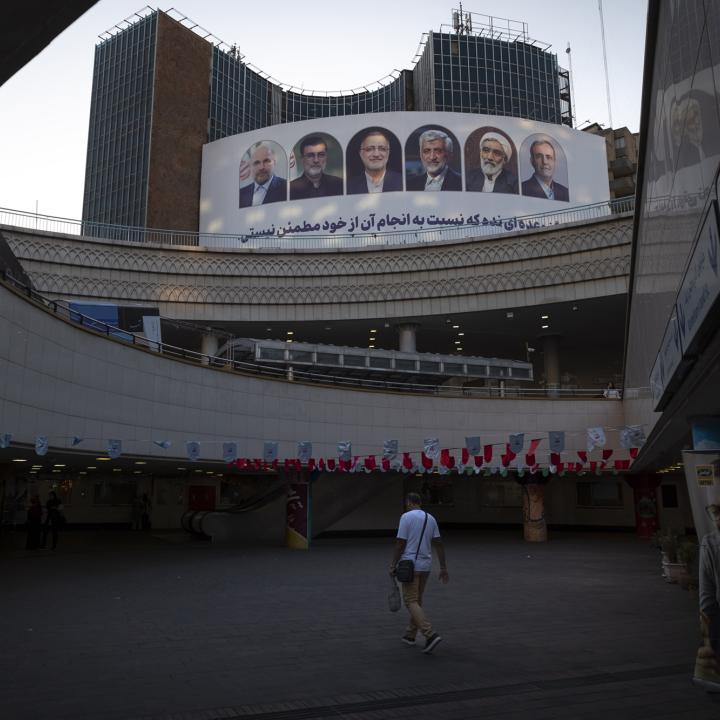
Background on Washington's Stance towards Tehran
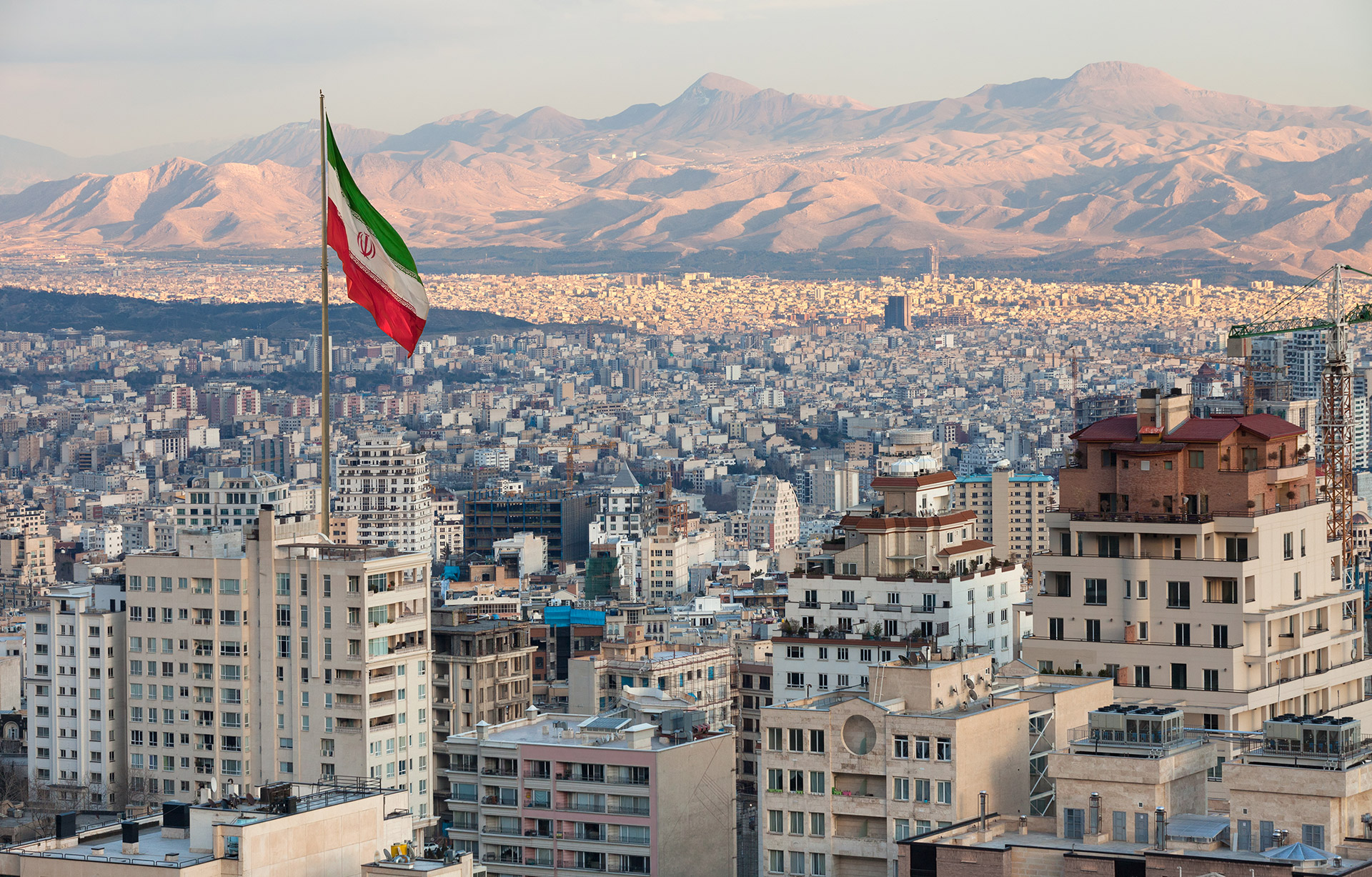
US Policy towards Iran Post-Revolution
Since the 1979 Islamic Revolution, US policy towards Iran has been characterized by fluctuating strategies, ranging from diplomatic engagements to economic sanctions. The US has persistently sought to curb Tehran's nuclear ambitions, strengthen regional allies, and address human rights concerns, shaping a complex geopolitical landscape.

Recent Events Leading to the Decision
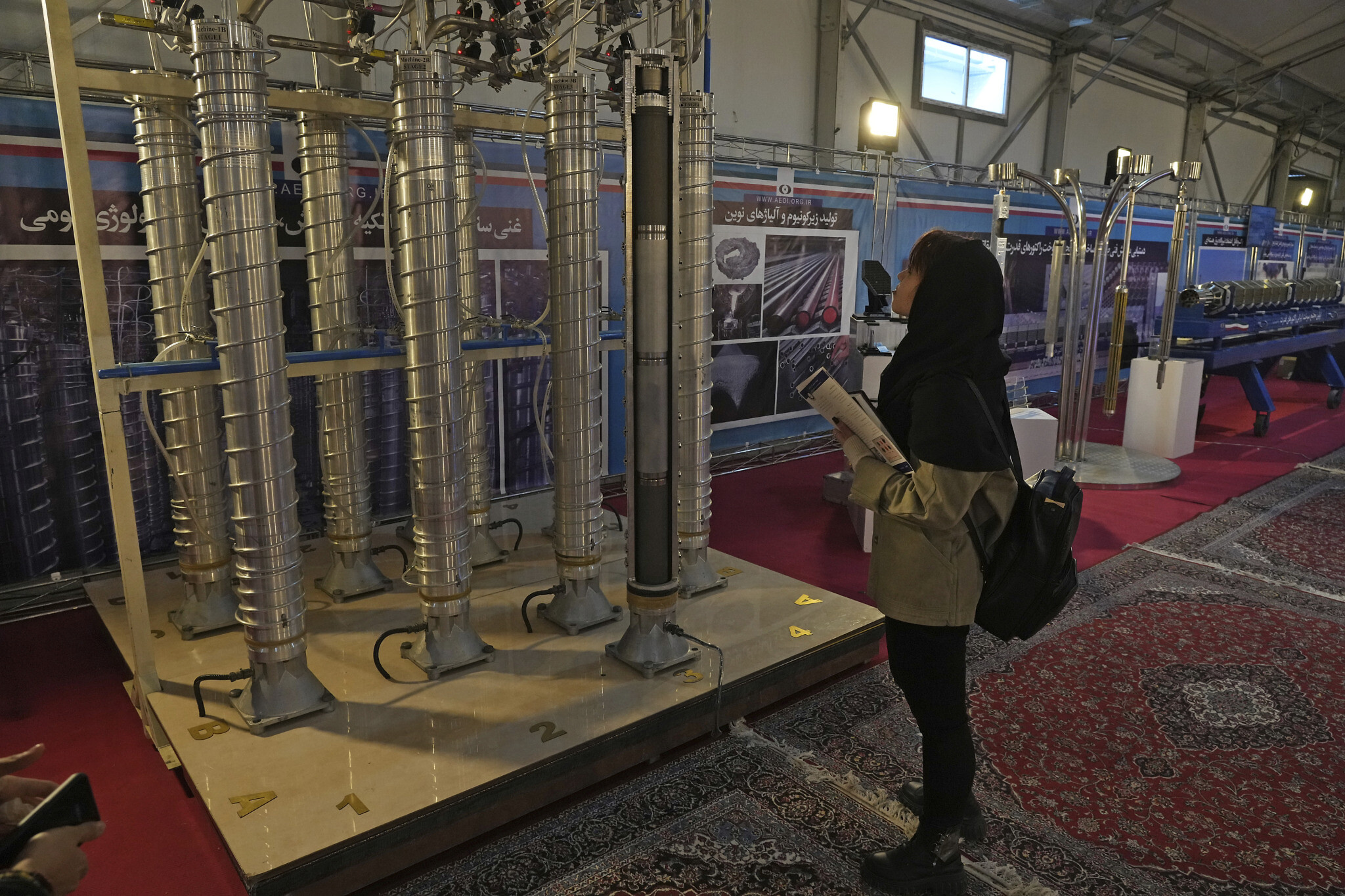
In recent years, critical events such as Iran’s ballistic missile tests, the US withdrawal from the JCPOA (Joint Comprehensive Plan of Action) under the Trump administration, and escalated regional tensions have intensified Washington's stance, propelling a reevaluation and stricter policies towards Tehran.
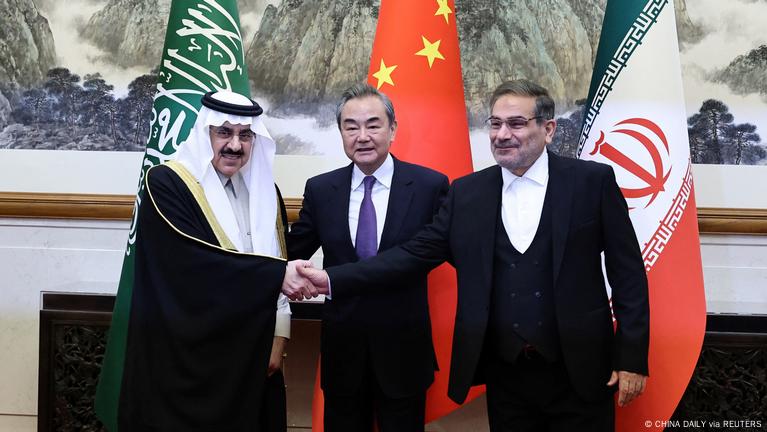
Impact on Diplomatic Relations
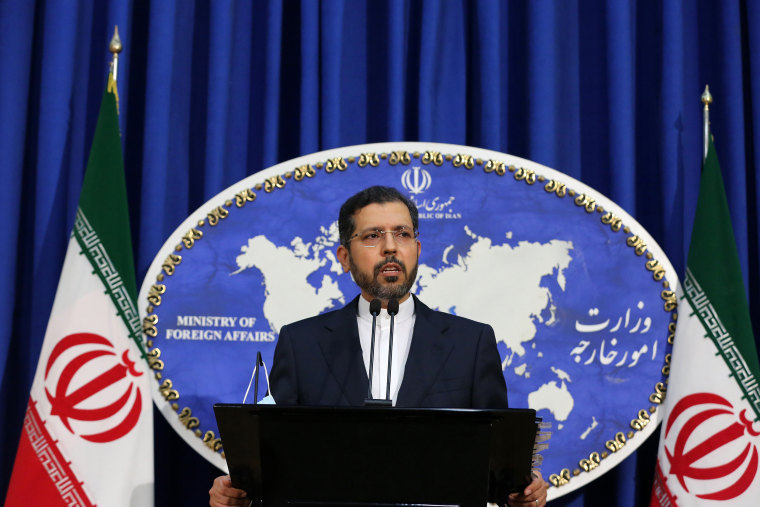
International Response to the US Stance
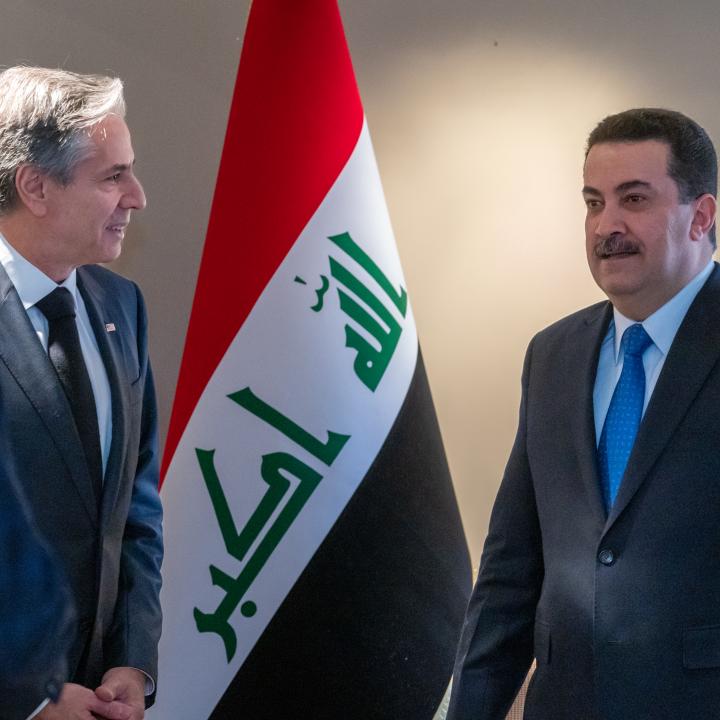
The international community's response has been mixed; while European allies expressed concerns over the unilateral approach, regional partners like Saudi Arabia and Israel supported the stringent measures. This divergence underscores the complexity of aligning global diplomatic strategies amidst rising tensions with Tehran.
Potential Implications on Regional Stability
The heightened US-Iran tensions threaten regional stability by exacerbating existing conflicts, particularly in Syria and Yemen. The potential for proxy wars and heightened sectarian strife poses significant risks, highlighting the fragile equilibrium and the necessity for diplomatic interventions to mitigate escalations.

Economic and Trade Ramifications
Sanctions and Trade Restrictions on Iran
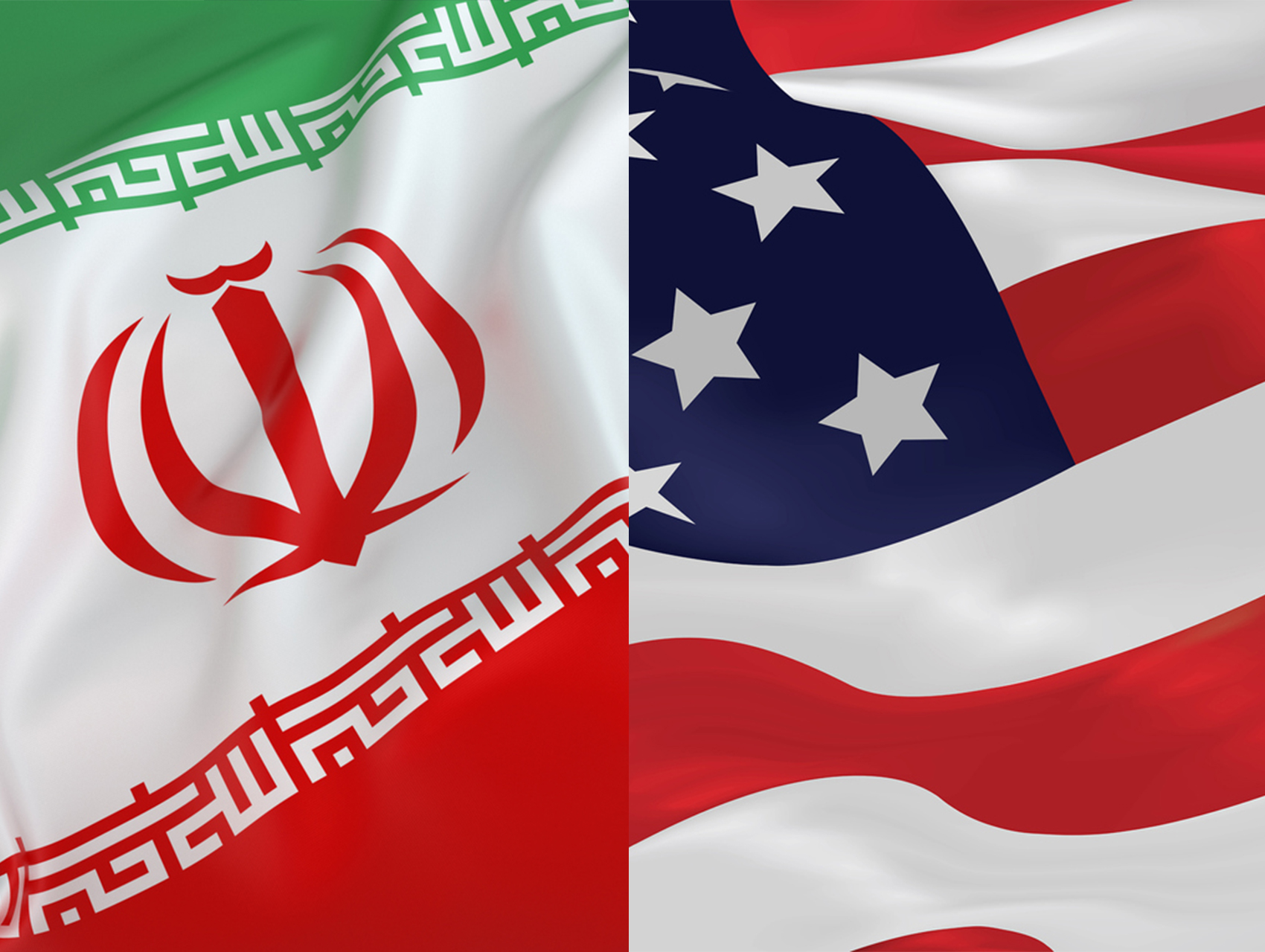
Following the rising tensions, the US has imposed stringent sanctions targeting Iran’s oil exports, banking sector, and critical industries. These measures aim to cripple Tehran’s economic capabilities, exert political pressure, and restrict its regional influence, leading to profound economic challenges for Iran.
Economic Fallout for Both Countries
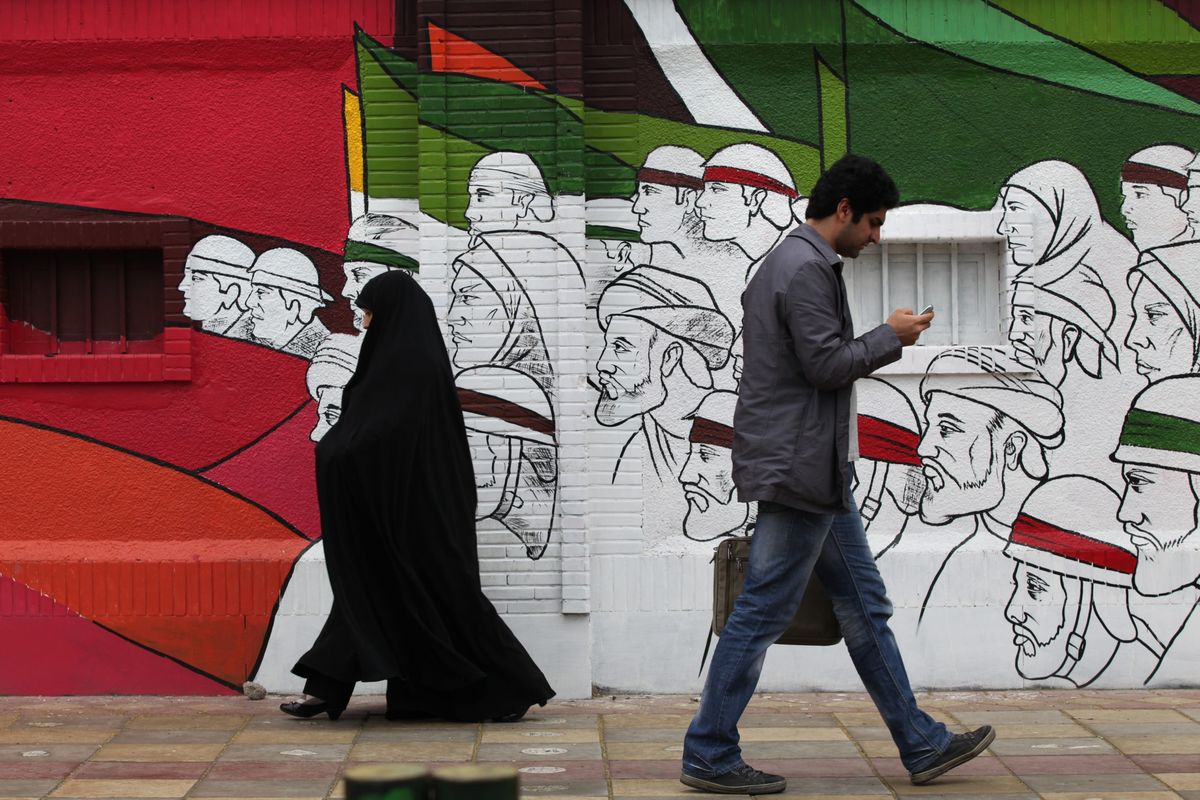
The economic repercussions are significant; Iran faces severe inflation and a weakened currency, while US businesses encounter lost opportunities in Iranian markets. Additionally, global oil prices may fluctuate, affecting economies worldwide. These dynamics highlight the broad economic implications of the conflict.
Military and Security Concerns

Assessment of Potential Escalations
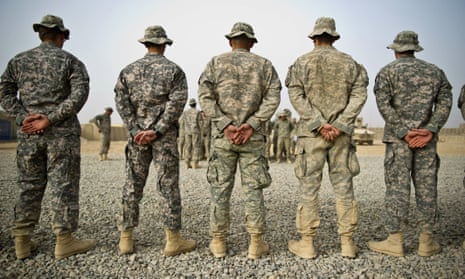
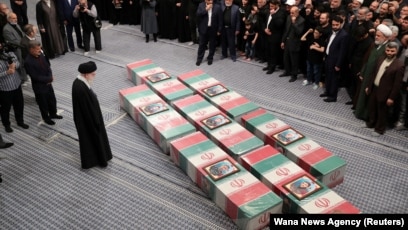
Amid heightened sanctions and diplomatic strains, the risk of military confrontations rises. Potential flashpoints include maritime disputes in the Persian Gulf and increased proxy conflicts. Both nations must tread cautiously to avert open hostilities, underscoring the importance of strategic diplomacy.

Security Challenges in the Region
The US-Iran tensions amplify security challenges across the Middle East, driving arms races and destabilizing fragile states. Issues like terrorism, cyber threats, and sectarian violence are exacerbated, necessitating coordinated international efforts to manage these multifaceted and evolving security threats effectively.

Future Outlook and Scenarios
Possible Developments in US-Iran Relations
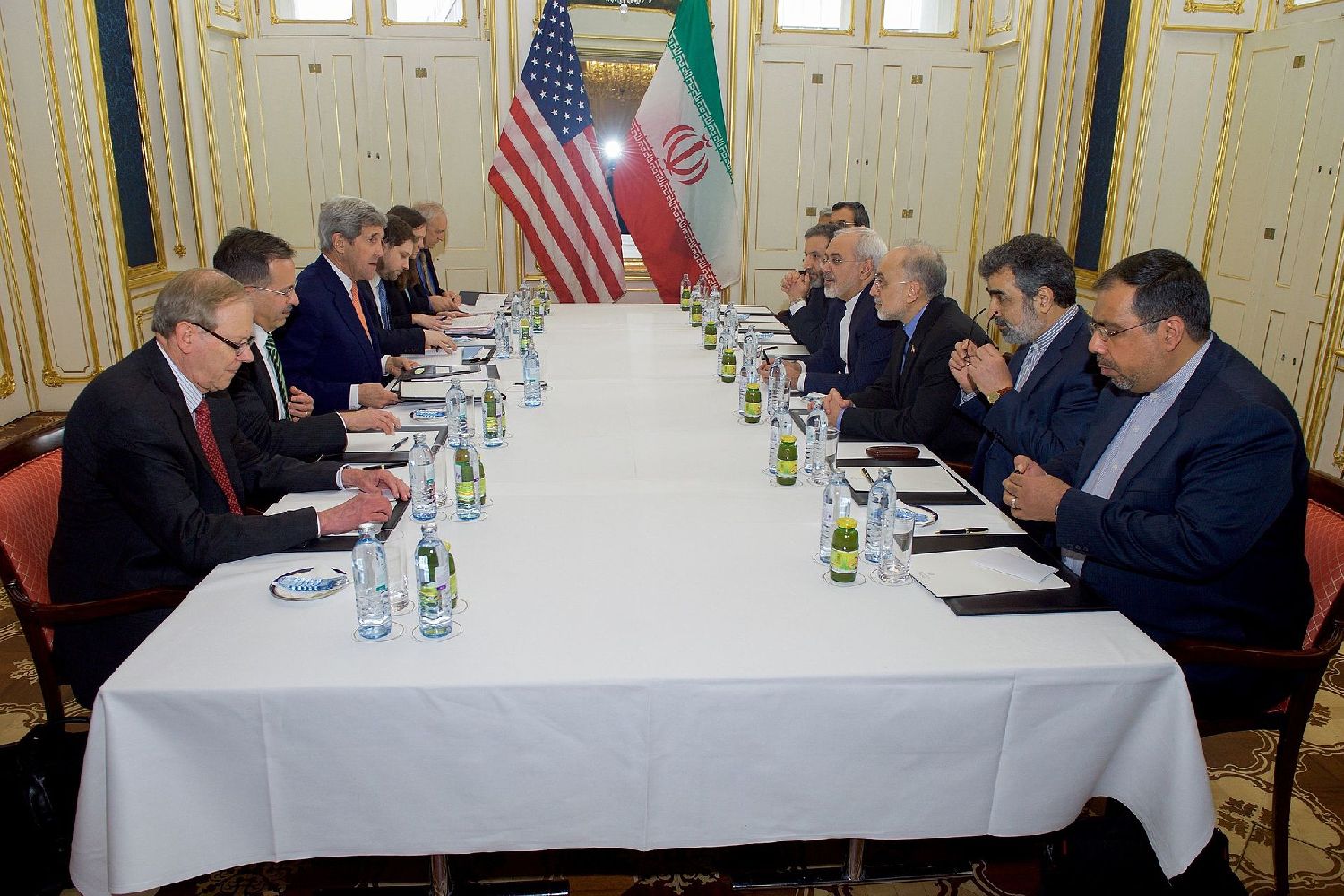
Future developments in US-Iran relations could oscillate between renewed diplomatic engagements and further sanctions. Key factors will include changes in leadership, internal political shifts, and international pressure, potentially opening avenues for negotiation, or alternatively, deepening the existing geopolitical rift.
Diplomatic Paths Forward for Both Nations
Diplomatic resolution remains essential. Potential paths include multilateral talks involving global powers, revisiting the JCPOA with revised terms, and confidence-building measures through humanitarian cooperation. These steps can help de-escalate tensions, fostering a more stable and secure international environment.
Conclusion
Summary of Washington's Stance and its Implications
Washington’s stance towards Tehran reflects a blend of strategic containment and pressure. By imposing sanctions and taking a hardline approach, the US aims to limit Iran’s regional influence. These policies, however, carry substantial diplomatic, economic, and security consequences globally.
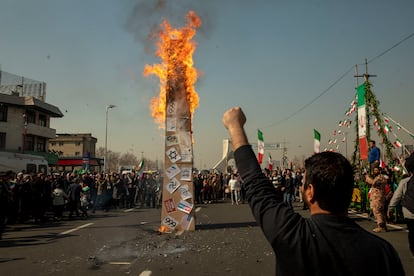
Analysis of the Broader Implications for Global Geopolitics
The US-Iran dynamic significantly influences global geopolitics, affecting alliances, trade routes, and energy markets. It prompts recalibrations among international players, intensifies strategic rivalries, and underscores the interconnectedness of regional conflicts, highlighting the critical importance of adept diplomatic interventions and multilateral cooperation.